


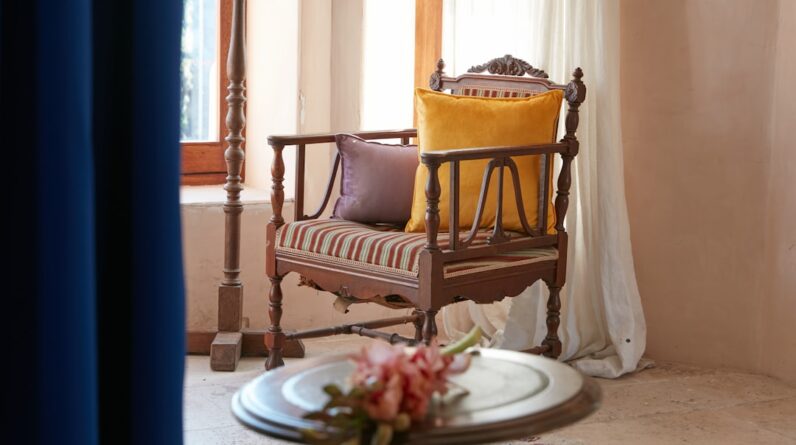
Your relocation to Heritage Ranch, McKinney, marks the beginning of a new chapter in your life. As you settle into your new home, the canvas of its interior awaits your personal touch. This guide aims to assist you in transforming your house into a curated expression of your taste and lifestyle, drawing inspiration from the distinct character of Heritage Ranch. The process of decorating a new home is akin to composing a symphony; each element, from the grand architectural features to the smallest decorative accent, plays a crucial role in the overall harmony.
Before you begin pulling paint swatches or browsing furniture showrooms, it is beneficial to develop an understanding of the prevailing architectural and design sensibilities often found in Heritage Ranch. This is the bedrock upon which your decorating decisions will be built. By recognizing these inherent qualities, you can either lean into them for a cohesive feel or thoughtfully contrast them to create a unique statement.
Architectural Influences
Heritage Ranch, like many established master-planned communities, often exhibits architectural styles that draw from traditional American design. These can include elements of:
- Neotraditional Styles: You might observe homes with features reminiscent of historical periods, such as stately brick facades, gabled roofs, and prominent entryways. The aim here is often to evoke a sense of established elegance and permanence. These homes are like well-written novels; they have a narrative and a sense of history, even if they are new constructions.
- Modern Farmhouse Elements: While not exclusively, you may find a prevalence of design choices that bridge the gap between classic farmhouse charm and contemporary living. This can manifest in the use of natural materials, clean lines, and a focus on comfort and functionality. This style recognizes that your home should be a sanctuary that is both beautiful and livable.
- Transitional Designs: Many homes in communities like Heritage Ranch adopt a transitional approach, blending elements of traditional and contemporary design. This allows for a broader appeal and offers flexibility in decorating, as it doesn’t strictly adhere to rigid stylistic rules. This approach makes your home a versatile stage for your evolving tastes.
Community Character
The surrounding environment and community layout can also subtly influence interior design choices. Heritage Ranch, with its potential for green spaces and family-oriented atmosphere, might inspire an interior that reflects this outward serenity and liveliness.
- Connection to Nature: Consider how the exterior landscaping and immediate natural surroundings can inform your interior palette. Earthy tones, natural textures, and the inclusion of plants can create a seamless transition between indoor and outdoor living. This is about extending the serene landscape into the comfort of your living room.
- Family-Centric Spaces: If Heritage Ranch is known for its family appeal, your decorating choices might prioritize comfort, durability, and spaces that encourage gathering. This means thinking about the flow of traffic, the placement of furniture for conversation, and materials that can withstand the rigors of daily life. Your home should be a welcoming harbor for all who enter, especially your loved ones.
- Sense of Place: The name “Heritage Ranch” itself suggests a nod to tradition and a grounded feeling. Your interior design can echo this by incorporating elements that feel timeless and substantive, avoiding fleeting trends that might detract from the enduring charm of your home. You are building upon a foundation, and your interior choices should respect and enhance that inherent quality.
Establishing Your Personal Style
While understanding the context of Heritage Ranch is valuable, your home is ultimately a reflection of you. This section guides you through the process of defining your personal interior design style, turning your home into a bespoke masterpiece, rather than a generic showroom.
Self-Reflection and Inspiration
Before embarking on any major decorating decisions, take time for introspection. What colors make you feel calm or energized? What textures do you find most appealing?
- Color Palettes: Begin by considering your preferred color families. Do you gravitate towards warm neutrals, bold primaries, or serene pastels? Your home’s color scheme is the atmosphere it breathes.
- Neutral Foundations: Often, a robust neutral palette serves as a sophisticated backdrop, allowing accent colors and decorative elements to truly pop. Think of this as the elegant prose that underpins your most compelling sentences.
- Accent Colors: Introduce bolder hues through accessories, artwork, or a feature wall to inject personality and visual interest. These are the vivid verbs that animate your space.
- Harmonious Combinations: Explore color theory to understand how different shades interact, ensuring a pleasing and cohesive aesthetic throughout your home. This is about ensuring your interior sings in tune.
- Texture and Material: The tactile quality of your home contributes significantly to its overall feel. Think about how different materials interact and create depth.
- Natural Elements: Incorporate wood, stone, linen, and cotton for a grounded and organic feel. These materials bring the outdoors in, much like bringing the scent of pine into your study.
- Luxurious Touches: Introduce velvet, silk, or metallic accents for a touch of elegance and sophistication. These are the silken threads that add a layer of richness to your narrative.
- Contrast and Balance: Juxtapose rough textures with smooth finishes to create visual and tactile interest. This creates a dynamic interplay, like the ebb and flow of a well-paced conversation.
- Inspiration Sources: Look to magazines, Pinterest, Houzz, and even travel experiences for ideas that resonate with you. Create mood boards to consolidate your inspirations. This is your personal design library, a place to gather fragments of beauty.
- Digital Platforms: Utilize online resources for a boundless array of visual inspiration. These platforms are vast oceans of decor possibilities.
- Physical Collections: Tear pages from magazines, save fabric swatches, and collect images that speak to your aesthetic. This is about building a tangible anthology of your preferences.
- Experiential Inspiration: Draw from memorable spaces you’ve visited, hotels you’ve admired, or even natural landscapes that have captivated you. These are the vivid memories you are translating into your surroundings.
Defining Your Core Style: A Deeper Dive
Once you’ve gathered inspiration, it’s time to crystallize your preferences into a discernible style. This isn’t about rigidly adhering to a particular named style, but rather about understanding the overarching feeling you want to create.
Modern Farmhouse Reinvented
While “Modern Farmhouse” is a popular term, your interpretation can be uniquely yours. Consider what aspects of this style appeal to you and how you can personalize them.
- The Essence of Comfort: If warmth and coziness are paramount, focus on plush seating, soft textiles, and a generally inviting atmosphere. This is the embrace of your home.
- Clean Lines, Rustic Touches: Blend the simplicity of modern design with rustic elements like reclaimed wood, iron details, or exposed beams. This creates a dialogue between the past and the present.
- Neutral Foundation with Pops of Color: A base of whites, creams, and grays can be enlivened with muted blues, greens, or even soft blush tones. This is about creating a serene landscape dotted with vibrant wildflowers.
- Functional Elegance: Prioritize practical furniture that serves a purpose while still being aesthetically pleasing. Think about furniture that performs double duty, like an ottoman with hidden storage. This is about making your home work as hard as you do, but with more grace.
Contemporary Comfort
This style emphasizes clean lines, uncluttered spaces, and a focus on comfort and functionality, often with a sophisticated edge.
- Minimalist Approach: Embrace a less-is-more philosophy, allowing each piece to be intentionally chosen and well-placed. This is about clarity and purpose in every element.
- Neutral Palette Evolution: While neutrals are central, explore variations like deep charcoals, soft taupes, and crisp whites. The subtle shifts create depth and intrigue.
- Statement Pieces: Invest in a few high-quality, eye-catching furniture items or art pieces that become focal points. These are the compelling protagonists in your home’s story.
- Emphasis on Light and Space: Maximize natural light and utilize reflective surfaces to create a sense of openness and airiness. This is about allowing your home to breathe.
Transitional Harmony
This style offers a fluid bridge between traditional and contemporary aesthetics, creating a balanced and timeless appeal.
- Classic Silhouettes with Modern Updates: Choose furniture with traditional shapes but in updated fabrics or finishes. This is like wearing a timeless piece of jewelry with a contemporary outfit.
- Layered Textures: Combine smooth surfaces with textured fabrics and natural materials to add depth and warmth. This is about building complexity and interest, like a well-layered cake.
- Subtle Color Play: Employ a sophisticated color palette that may include muted jewel tones or earthy hues, expertly balanced with neutrals. This is about nuanced conversations in color.
- Emphasis on Quality and Craftsmanship: Focus on well-made pieces that will stand the test of time, blending historical influences with modern comfort. This is about investing in enduring value.
Furnishing Your Home: The Art of Selection
Once your style is taking shape, the crucial task of selecting furniture begins. This is where your vision starts to materialize, bringing tangible form to your aspirations.
Strategic Space Planning
Before purchasing a single piece of furniture, meticulous space planning is essential. Each room is a stage, and the furniture is the cast of characters. Their placement dictates the flow and functionality of the performance.
- Room Layouts: Measure your rooms accurately and create floor plans to experiment with different furniture arrangements. This is your architectural blueprint for happiness.
- Defining Zones: Use furniture placement to delineate functional areas within larger rooms, such as a reading nook within a living room or a breakfast area within a kitchen. This creates distinct acts within your home’s play.
- Traffic Flow: Ensure clear pathways for movement throughout the house. Avoid blocking doorways or creating awkward bottlenecks. You want your guests to move with ease, like dancers on a stage.
- Focal Points: Arrange furniture to accentuate architectural features or intentional focal points, such as a fireplace or a stunning view. This draws the eye and creates a sense of purpose.
- Scale and Proportion: Select furniture that is appropriately sized for the room. Oversized pieces can make a small room feel cramped, while undersized pieces can get lost in a large space. This is about achieving visual equilibrium.
- Balancing Act: Ensure that the scale of your furniture complements the scale of your rooms. A delicate armchair might be lost in a grand living room, while a hulking sofa can overwhelm a cozy den.
- Visual Weight: Consider the visual weight of different pieces. A dark, solid wood table will feel heavier than a glass-topped one. Distribute this visual weight to create a balanced composition within the room.
Key Furniture Pieces and Considerations
Each room has its own set of requirements, but certain pieces form the backbone of most homes.
- Living Room: This is often the social heart of the home, designed for relaxation and entertainment.
- Seating Arrangements: Opt for comfortable sofas and armchairs that encourage conversation and relaxation. Consider modular options for flexibility.
- Coffee and End Tables: These provide surfaces for drinks, books, and decorative items. Their style should complement your overall aesthetic.
- Entertainment Units: If you have a television, a well-designed unit can house media equipment and offer storage.
- Lighting: Incorporate a mix of ambient, task, and accent lighting to create different moods. Floor lamps and table lamps provide warmth and targeted illumination.
- Dining Room: This space is dedicated to shared meals and gatherings.
- Dining Table and Chairs: Choose a table size appropriate for your household and entertaining needs. Comfortable chairs are crucial for extended meals.
- Buffet or Sideboard: These pieces offer valuable storage for dinnerware and serving items, and their tops can be used for displaying decor.
- Chandelier or Pendant Light: A well-placed overhead light can act as a dramatic focal point and provide essential illumination for the table.
- Bedroom: This is your personal sanctuary, designed for rest and rejuvenation.
- Bed Frame and Mattress: The bed is the centerpiece. Invest in comfort and a frame that aligns with your style.
- Nightstands: Essential for holding lamps, books, and personal items.
- Dresser and/or Chest of Drawers: Provide ample storage for clothing.
- Seating Area: If space allows, a small armchair or bench can offer a cozy spot for reading or dressing.
- Home Office (if applicable): Tailor this space to your work needs and preferences.
- Desk: Choose a desk that provides sufficient workspace and storage.
- Ergonomic Chair: Comfort and support are paramount for long hours of work.
- Bookshelves and Storage: Keep your work materials organized and accessible.
Bringing it All Together: The Power of Accessories and Details
The furniture provides the structure, but it is the accessories and thoughtful details that imbue your Heritage Ranch home with personality and warmth. These are the brushstrokes that bring your canvas to life.
Textiles: Softening and Styling
Textiles are the unsung heroes of interior design, capable of transforming a room’s atmosphere with their color, texture, and pattern.
- Rugs: Area rugs define spaces, add warmth, and introduce color and pattern. They are like the foundation upon which your furniture sits.
- Size Matters: Ensure your rug is large enough to anchor your seating area or dining table. Ideally, at least the front legs of your furniture should rest on the rug.
- Material and Texture: Consider the durability and feel of the material. Wool is classic and durable, while jute offers a more natural, textured look.
- Pattern and Color: Rugs can be a statement piece or a subtle complement to your existing decor.
- Curtains and Window Treatments: These soften harsh window lines, control light, and add privacy. They are the drapery that frames your home’s views.
- Fabric Choice: From light and airy sheers to heavy blackout drapes, the fabric significantly impacts the room’s ambiance and functionality.
- Hardware and Style: The curtain rods and finials, along with the hanging style, contribute to the overall design.
- Throw Pillows and Blankets: These are effortless ways to add layers of comfort, color, and texture. They are the cozy accents that invite you to settle in.
- Mix and Match: Combine different sizes, shapes, and patterns for visual interest.
- Seasonal Updates: Easily refresh your space by changing out your throw pillows and blankets with the seasons.
Artwork and Wall Decor: Your Personal Gallery
Your walls are blank canvases waiting to be adorned with pieces that speak to your soul. Artwork and wall decor are the expressions of your inner world.
- Curating Your Collection: Choose pieces that you genuinely love, whether they are original paintings, prints, photographs, or tapestries.
- Theme and Style: Align your art with your overall interior design style, or intentionally create a contrasting statement.
- Color Coordination: Consider how the colors in your artwork can complement your room’s color palette.
- Gallery Walls: Combine multiple pieces of various sizes and frames to create a dynamic and personalized display. This is your curated exhibition.
- Mirrors: Strategically placed mirrors can enhance light, create the illusion of more space, and serve as decorative elements. They are like windows to another dimension.
- Shelving and Display: Floating shelves or curated bookcases can showcase decorative objects, books, and personal mementos. These are your curated narratives.
Lighting: Setting the Mood
Lighting is not merely functional; it is an art form that shapes the atmosphere and perception of your space. It is the spotlight that enhances your home’s best features.
- Layered Lighting: Employ a combination of ambient (general illumination), task (focused light for activities), and accent (highlighting specific features) lighting. This creates depth and functionality.
- Ambient Lighting: Overhead fixtures or well-placed floor lamps provide overall illumination.
- Task Lighting: Desk lamps, under-cabinet lighting in kitchens, and reading lamps beside chairs provide focused light where needed.
- Accent Lighting: Spotlights on artwork, uplighting on plants, or strip lighting under shelves draw attention to specific elements.
- Fixture Style: Chandeliers, pendant lights, table lamps, and sconces all contribute to the aesthetic of your rooms. Choose fixtures that align with your chosen style.
- Dimmers: Install dimmers wherever possible to control the intensity of light and adjust the mood of the room. This gives you control over your home’s emotional tenor.
Personal Touches and Final Flourishes
| Metric | Details |
|---|---|
| Location | Heritage Ranch, McKinney, TX |
| Home Style | New Construction, Modern Farmhouse |
| Interior Design Theme | Rustic Elegance with Contemporary Touches |
| Key Features | Open Floor Plan, Natural Wood Accents, Neutral Color Palette |
| Number of Rooms Decorated | 5 (Living Room, Kitchen, Master Bedroom, Guest Bedroom, Dining Room) |
| Average Project Duration | 6-8 Weeks |
| Popular Materials Used | Reclaimed Wood, Stone, Linen Fabrics, Matte Finishes |
| Lighting Style | Industrial Pendant Lights and Recessed LED Lighting |
| Furniture Style | Custom Built-ins and Vintage-Inspired Pieces |
| Client Satisfaction Rate | 95% |
The final layer of your decorating journey involves infusing your Heritage Ranch home with those inimitable personal touches that make it unequivocally yours. These are the subtle signatures that differentiate your house from any other.
Incorporating Mementos and Personal Collections
The things you love, the memories you cherish, deserve a place of honor in your home.
- Photographs: Frame and display cherished family photos to create a warm and inviting atmosphere. These are tangible fragments of your shared journey.
- Travel Souvenirs: Display items collected from your travels, each telling a story and bringing a piece of the world into your home. These are the postcards from your life.
- Hobby-Related Displays: If you have a passion, subtly integrate elements of it into your decor. This could be a display of antique books, a collection of vintage cameras, or art created by you.
- Family Heirlooms: Integrate antique furniture, artwork, or decorative objects passed down through generations. These items carry the weight of history.
The Power of Plants and Greenery
Introducing living elements can breathe life into any space, enhancing both aesthetics and well-being. Plants are the lungs of your home, bringing vitality and freshness.
- Variety of Species: Choose plants that suit your lighting conditions and your level of plant care expertise. From low-maintenance succulents to lush ferns, there’s a plant for every corner.
- Pots and Planters: Select containers that complement your decor, adding to the overall visual appeal. Copper, ceramic, and woven baskets can all contribute to your chosen aesthetic.
- Strategic Placement: Position plants to fill empty corners, add color to shelves, or create a natural focal point.
Scent and Sound: Engaging All the Senses
Beyond the visual, consider how scent and sound can further enhance your home’s atmosphere and your experience within it.
- Fragrance: Use subtle home fragrances, candles, or diffusers to create a welcoming and pleasant aroma. Be mindful not to overpower the senses.
- Music and Ambiance: Create playlists that suit different moods and activities. The right music can turn a quiet afternoon into a serene retreat or a lively gathering into a festive celebration.
Your new home in Heritage Ranch, McKinney, is more than just an address; it’s a foundation for your life, waiting to be shaped by your vision and personality. By thoughtfully considering the architectural context, defining your personal style, strategically selecting furnishings, and infusing your space with carefully chosen accessories and personal touches, you will transform your house into a home that not only reflects your aesthetic but also nurtures your well-being. This is your opportunity to paint your masterpiece, to compose your symphony, and to create a sanctuary that truly resonates with who you are.
FAQs
What is the design style featured in Heritage Ranch McKinney homes?
The design style in Heritage Ranch McKinney homes typically blends modern comfort with rustic and traditional elements, creating a warm and inviting interior that reflects the community’s heritage and natural surroundings.
What are common interior decorating features in new homes at Heritage Ranch McKinney?
Common features include open floor plans, neutral color palettes, natural materials like wood and stone, large windows for natural light, and thoughtfully designed kitchens and living spaces that emphasize functionality and style.
How can homeowners personalize their new home interiors in Heritage Ranch McKinney?
Homeowners can personalize their interiors by selecting custom finishes, paint colors, cabinetry styles, flooring options, and lighting fixtures offered by builders or through interior designers to match their tastes and lifestyle.
Are there any design guidelines or restrictions for interior decorating in Heritage Ranch McKinney?
While exterior design guidelines may exist to maintain community aesthetics, interior decorating typically allows homeowners freedom to choose styles and decor that suit their preferences without strict restrictions.
Where can new homeowners find inspiration for decorating their Heritage Ranch McKinney homes?
Homeowners can find inspiration through model homes, design magazines, online platforms like Pinterest and Houzz, local interior designers, and community events showcasing home decor trends relevant to the Heritage Ranch style.


