


When you embark on the journey of designing a space, the first step is to grasp its purpose. This understanding serves as the foundation upon which all your decisions will be built. Are you creating a cozy reading nook, a vibrant social area for gatherings, or perhaps a serene workspace?
Each of these purposes demands a different approach, influencing everything from color schemes to furniture choices. By clearly defining the function of the space, you can ensure that every element contributes to its overall effectiveness. Moreover, considering the activities that will take place in this area is crucial.
If you envision hosting lively dinner parties, your design will differ significantly from a space intended for quiet reflection. Think about how you want to feel in this environment and how you want others to feel as well. This emotional aspect can guide your choices, helping you create a space that resonates with both you and your guests.
By taking the time to understand the purpose of the space, you set the stage for a harmonious and functional design.
Key Takeaways
- Understanding the purpose of the space is crucial for designing a functional and comfortable environment.
- Choosing the right furniture and layout can optimize the space and enhance its functionality.
- Selecting appropriate lighting is essential for creating the right ambiance and setting the mood.
- Incorporating comfortable seating is important for ensuring that the space is inviting and relaxing.
- Adding personal touches and decor can make the space feel more personalized and welcoming.
Choosing the Right Furniture and Layout
Aligning Furniture with Purpose
Once you have a clear understanding of the space’s purpose, the next step is selecting the right furniture and layout. The furniture you choose should not only align with your vision but also complement the activities that will occur within the space. For instance, if you’re designing a social area, consider pieces that encourage interaction, such as sectional sofas or circular tables.
Optimizing for Productivity or Socialization
On the other hand, if your focus is on productivity, opt for ergonomic chairs and desks that promote comfort during long hours of work. The layout is equally important; it dictates how people will move through and interact within the space. You might want to create distinct zones for different activities, such as a reading corner with a comfortable chair and a small bookshelf, while leaving ample room for socializing.
Considering Flow and Navigation
Think about flow—how people will navigate through the area—and ensure that there are no obstacles that could disrupt this movement. A well-thought-out layout not only enhances functionality but also contributes to the overall aesthetic appeal of your design.
Selecting the Appropriate Lighting
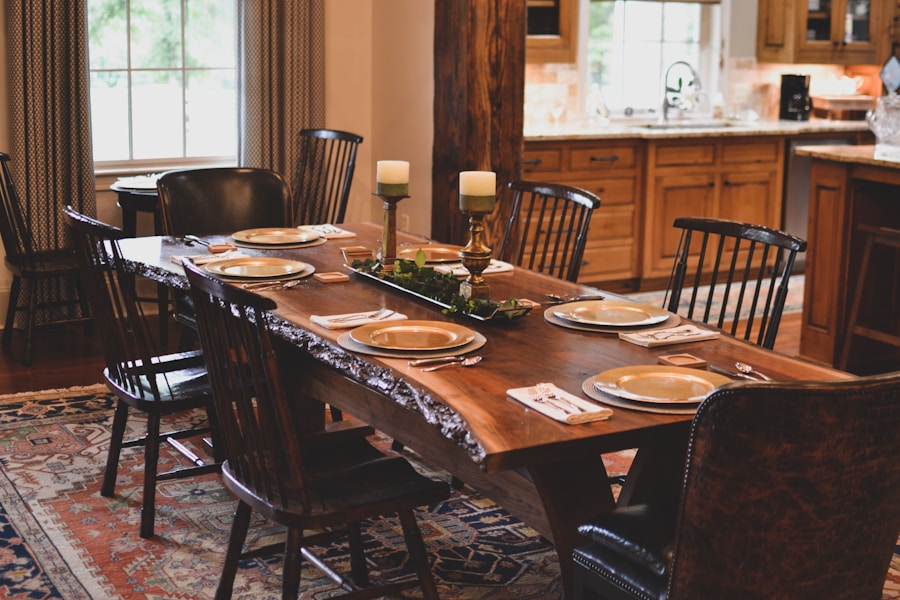
Lighting plays a pivotal role in shaping the atmosphere of any space. It can transform a dull room into an inviting haven or make an otherwise cozy area feel cold and unwelcoming. When selecting lighting, consider both natural and artificial sources.
Natural light can enhance mood and energy levels, so if possible, maximize windows and openings to let in sunlight. You might also want to think about how window treatments can either block or diffuse light, depending on your needs. Artificial lighting should be layered to create depth and versatility.
Incorporate ambient lighting for general illumination, task lighting for specific activities, and accent lighting to highlight decorative elements. Dimmers can be particularly useful, allowing you to adjust brightness according to the time of day or mood. By thoughtfully selecting your lighting options, you can create a dynamic environment that adapts to various situations and enhances the overall experience within the space.
Incorporating Comfortable Seating
Comfortable seating is essential for any space designed for relaxation or social interaction. The right seating not only invites people to linger but also encourages them to engage with one another. When choosing seating options, consider both aesthetics and ergonomics.
Sofas and chairs should be visually appealing while also providing adequate support for extended periods of use. Fabrics should be chosen with care; soft materials can enhance comfort, while durable fabrics ensure longevity. Additionally, think about the arrangement of seating in relation to other elements in the room.
Grouping chairs and sofas in a way that promotes conversation can create an inviting atmosphere. You might also want to include a variety of seating options—such as ottomans or floor cushions—to accommodate different preferences and needs. By prioritizing comfort in your seating choices, you create an environment where people feel at ease and are more likely to enjoy their time spent there.
Adding Personal Touches and Decor
Personal touches and decor are what truly make a space feel like your own. These elements reflect your personality and interests, transforming a generic room into a unique sanctuary. Consider incorporating artwork that resonates with you—whether it’s paintings, photographs, or sculptures—to add character and warmth.
Additionally, decorative items such as vases, books, or travel souvenirs can serve as conversation starters while showcasing your individual style. Don’t overlook the importance of color in your decor choices. Colors can evoke emotions and set the tone for the entire space.
Whether you prefer bold hues or soft pastels, choose colors that align with your vision for the room. Textiles also play a significant role; throw pillows, blankets, and rugs can add layers of texture and comfort while enhancing visual interest. By thoughtfully curating personal touches and decor, you create an inviting atmosphere that tells your story.
Creating a Functional Serving Area

Designing for Convenience
When designing a serving area for entertaining or dining, it’s essential to prioritize convenience. This means creating a space that allows for easy access to food and drinks while comfortably accommodating your guests. Consider incorporating a bar cart or sideboard where you can display beverages and snacks, making it easy for guests to help themselves without disrupting conversations.
Streamlining the Serving Process
To make the most of your serving area, think about how you can streamline the serving process during gatherings. A designated area for food preparation can be beneficial if you plan on hosting larger events. Ensure that there is adequate counter space for setting out dishes and drinks, as well as easy access to utensils and serving ware.
Enhancing the Overall Experience
By prioritizing functionality in your serving area, you can enhance the overall experience for both yourself and your guests. With a well-designed space, you’ll be able to focus on enjoying the company of your guests rather than worrying about the logistics of serving and entertaining.
Considering Acoustics and Sound Control
Acoustics are often overlooked in interior design but play a crucial role in creating a comfortable environment. Poor sound quality can lead to distractions and discomfort, especially in spaces meant for socializing or working. To improve acoustics, consider incorporating soft furnishings such as rugs, curtains, and upholstered furniture that absorb sound rather than reflect it.
These elements can help reduce echoes and create a more pleasant auditory experience. Additionally, think about how sound travels within your space. If you have an open layout, consider using room dividers or strategically placed furniture to create distinct zones that minimize noise interference.
You might also want to explore soundproofing options if necessary—especially if your space is near busy streets or noisy neighbors. By addressing acoustics thoughtfully, you ensure that your space remains inviting and conducive to conversation or concentration.
Ensuring Adequate Storage Space
Finally, adequate storage is essential for maintaining an organized and functional space. Clutter can quickly detract from the overall aesthetic and usability of any area, so it’s important to incorporate storage solutions that blend seamlessly with your design. Consider built-in shelves or cabinets that provide ample storage without taking up too much floor space.
These solutions can help keep items out of sight while still being easily accessible when needed. Additionally, think about multi-functional furniture pieces that offer hidden storage options—such as ottomans with compartments or coffee tables with drawers. This approach not only maximizes functionality but also contributes to a clean and streamlined look.
By ensuring adequate storage space in your design, you create an environment that feels organized and inviting, allowing you to fully enjoy the purpose of the space without distractions from clutter.
FAQs
What are the key principles of designing a welcoming and functional dining room for hosting gatherings?
The key principles of designing a welcoming and functional dining room for hosting gatherings include considering the layout, furniture arrangement, lighting, color scheme, and decor to create a comfortable and inviting space for guests.
How can the layout of a dining room contribute to its functionality for hosting gatherings?
The layout of a dining room can contribute to its functionality for hosting gatherings by ensuring there is enough space for seating, serving, and movement, as well as creating a natural flow for guests to move around and interact with each other.
What furniture arrangement is ideal for a welcoming and functional dining room for hosting gatherings?
An ideal furniture arrangement for a welcoming and functional dining room for hosting gatherings includes a dining table and chairs that can accommodate the number of guests, as well as additional seating options such as benches or a sideboard for serving and storage.
How can lighting contribute to the welcoming and functional design of a dining room for hosting gatherings?
Lighting can contribute to the welcoming and functional design of a dining room for hosting gatherings by providing adequate task lighting for dining, as well as ambient lighting to create a warm and inviting atmosphere for guests.
What role does the color scheme play in designing a welcoming and functional dining room for hosting gatherings?
The color scheme plays a crucial role in designing a welcoming and functional dining room for hosting gatherings by setting the mood and creating a cohesive and inviting space for guests to enjoy their dining experience.
How can decor enhance the welcoming and functional design of a dining room for hosting gatherings?
Decor can enhance the welcoming and functional design of a dining room for hosting gatherings by adding personal touches, such as artwork, table settings, and centerpieces, that reflect the host’s style and make guests feel comfortable and at home.


