When embarking on a design project, the first step is to truly grasp the client’s vision and lifestyle. This foundational understanding is crucial, as it sets the tone for every decision that follows. You need to engage in meaningful conversations with your client, asking open-ended questions that allow them to express their desires, preferences, and even their daily routines.
By delving into their lifestyle, you can uncover what they value most in their living space. Are they entertainers who thrive on hosting gatherings, or do they prefer a serene retreat for relaxation? Understanding these nuances will guide you in creating a space that not only looks beautiful but also functions seamlessly for their way of life.
Moreover, it’s essential to consider the client’s personality and how it can be reflected in the design. You might find that they have a penchant for modern minimalism or a love for eclectic vintage pieces. By aligning your design approach with their personal style, you can create an environment that feels authentic and inviting.
This process often involves sharing inspiration boards or mood boards that visually communicate ideas and concepts. As you collaborate, you’ll find that the more you understand your client’s vision, the more effectively you can translate it into a cohesive design that resonates with their identity.
Key Takeaways
- Understanding the client’s vision and lifestyle is crucial for creating a personalized design.
- Establishing a consistent color palette helps to create a cohesive and harmonious look throughout the space.
- Incorporating a mix of textures and materials adds depth and visual interest to the design.
- Balancing proportions and scale ensures that the furniture and decor complement the space without overwhelming it.
- Creating flow and continuity between spaces helps to maintain a seamless and connected design throughout the home.
Establishing a Consistent Color Palette
Once you have a firm grasp of your client’s vision, the next step is to establish a consistent color palette. Color plays a pivotal role in setting the mood and tone of any space. It can evoke emotions, create harmony, and even influence how people perceive the size and shape of a room.
You should work closely with your client to identify colors that resonate with them personally while also considering the overall aesthetic they wish to achieve. This might involve exploring various shades, tones, and hues that complement each other and align with their lifestyle. In creating a cohesive color palette, it’s beneficial to select a primary color that will serve as the foundation for the design.
From there, you can introduce secondary colors that add depth and interest without overwhelming the space. Consider how these colors will interact with natural light throughout the day, as well as how they will look in different rooms. By thoughtfully curating a color palette, you ensure that each area of the home feels connected while still allowing for individual expression in different spaces.
Incorporating a Mix of Textures and Materials

In addition to color, texture is another vital element that adds dimension and richness to your design. A well-thought-out mix of textures and materials can transform a flat space into one that feels dynamic and inviting. You should encourage your client to think beyond traditional materials and explore options like wood, metal, glass, fabric, and stone.
Each material brings its own unique character and can significantly influence the overall ambiance of a room. When incorporating textures, consider how they can work together to create visual interest. For instance, pairing soft textiles with sleek metals can create a beautiful contrast that feels both modern and cozy.
You might also explore layering different textures within a single space—think plush rugs over hardwood floors or velvet cushions on leather sofas. This approach not only enhances tactile experiences but also invites people to engage with the space on multiple levels. By thoughtfully combining textures and materials, you create an environment that feels rich and inviting, encouraging your clients to enjoy their surroundings fully.
Balancing Proportions and Scale
As you move forward in your design process, balancing proportions and scale becomes paramount. Every piece of furniture, artwork, or decorative element must be considered in relation to the space it occupies. You want to ensure that each item feels appropriately sized for its surroundings; otherwise, the design can feel disjointed or cramped.
Take time to measure spaces accurately and visualize how different elements will fit together before making any purchases. In addition to physical dimensions, consider the visual weight of each piece. A large sectional sofa may dominate a room if not balanced with lighter elements like airy curtains or delicate side tables.
Conversely, an oversized artwork can serve as a focal point if placed thoughtfully within a room’s layout. By paying attention to proportions and scale, you create a harmonious environment where each element complements the others, resulting in a cohesive and inviting atmosphere.
Creating Flow and Continuity Between Spaces
Creating flow and continuity between spaces is essential for achieving a cohesive design throughout your client’s home. You want each area to feel connected while still allowing for individual character in different rooms. This can be accomplished through various means, such as using consistent flooring materials or color schemes that carry from one space to another.
By establishing visual links between rooms, you help guide the eye naturally from one area to the next. Additionally, consider how furniture arrangements can facilitate movement through spaces. Open layouts often benefit from strategically placed furniture that encourages conversation while maintaining clear pathways for traffic flow.
You might also incorporate architectural elements like archways or built-in shelving that visually connect different areas without sacrificing functionality. By prioritizing flow and continuity, you create an environment where your clients feel comfortable moving through their home, enhancing their overall experience.
Implementing a Unifying Design Element or Motif

Establishing a Common Thread
To further enhance cohesion in your design, consider implementing a unifying design element or motif throughout the space. This could be anything from a specific pattern or texture to a recurring color or shape that appears in various forms across different rooms. By establishing this common thread, you create a sense of harmony that ties everything together while allowing for individual expression within each area.
Integrating the Motif
For example, if your client has a love for geometric patterns, you might incorporate this motif through wallpaper in one room, throw pillows in another, and even artwork that features similar shapes. This approach not only reinforces the overall design concept but also adds layers of interest as clients discover these connections throughout their home.
Elevating the Design
By thoughtfully integrating a unifying element or motif, you elevate the design from merely functional to truly artistic. This attention to detail demonstrates a deep understanding of the client’s style and preferences, resulting in a space that feels cohesive, intentional, and beautiful.
Utilizing Lighting to Enhance the Overall Design
Lighting is one of the most powerful tools at your disposal when it comes to enhancing overall design. It has the ability to transform spaces dramatically by influencing mood and highlighting key features within a room. As you work with your client, consider how different types of lighting—ambient, task, and accent—can be layered to create depth and warmth throughout their home.
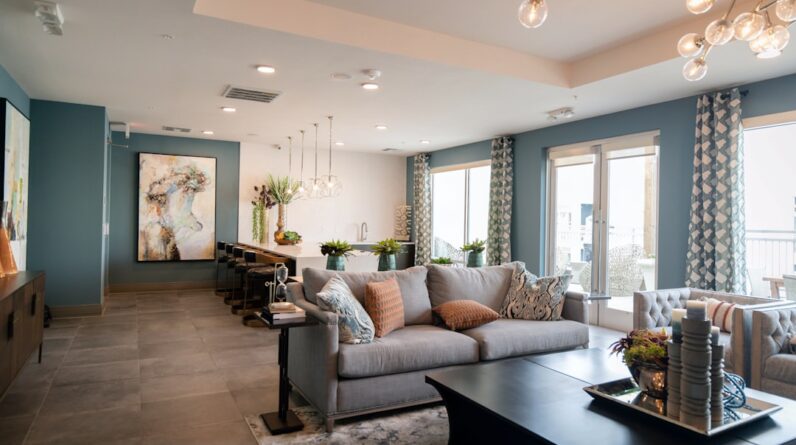
Start by assessing natural light sources and how they interact with each room at different times of day. From there, you can introduce various lighting fixtures that complement both the style of the space and its intended function. For instance, pendant lights over an island can provide task lighting while also serving as decorative elements that draw attention upward.
Additionally, consider incorporating dimmers or smart lighting solutions that allow your clients to adjust brightness levels according to their needs or mood. By thoughtfully utilizing lighting in your design, you create an atmosphere that feels inviting and dynamic.
Incorporating Personalized and Meaningful Details
Finally, no design is complete without incorporating personalized and meaningful details that reflect your client’s unique story and experiences. These elements add character and warmth to a space, making it feel truly like home rather than just a collection of furnishings. Encourage your clients to share items that hold sentimental value—be it family heirlooms, travel souvenirs, or artwork created by loved ones—and find ways to integrate these pieces into the overall design.
You might create a gallery wall featuring cherished photographs or display unique artifacts on shelves as conversation starters. Additionally, consider incorporating custom elements like monogrammed textiles or bespoke furniture pieces that resonate with your client’s identity. By weaving these personalized details into your design, you not only enhance its aesthetic appeal but also create an environment filled with memories and meaning—one where your clients can truly feel at home.
In conclusion, designing a space that reflects your client’s vision requires careful consideration of various elements—from understanding their lifestyle to incorporating personalized details. By following these principles, you can create an environment that is not only visually stunning but also deeply connected to who they are as individuals. Each decision made along the way contributes to an overall experience that resonates with your clients long after the project is complete.
FAQs
What is the role of an interior designer in creating cohesive design themes throughout a home?
Interior designers are responsible for creating a unified and harmonious design theme throughout a home. They use their expertise to ensure that the various elements of a home, such as furniture, color schemes, and decor, work together to create a cohesive and visually appealing space.
What strategies do interior designers use to create cohesive design themes?
Interior designers use a variety of strategies to create cohesive design themes throughout a home. These may include establishing a consistent color palette, incorporating similar design elements and materials, maintaining a sense of balance and proportion, and ensuring that the overall style and aesthetic of the home remains consistent.
How do interior designers ensure that different rooms in a home have a cohesive design theme?
Interior designers ensure that different rooms in a home have a cohesive design theme by carefully selecting and coordinating the various elements of each room, such as furniture, lighting, and accessories. They also consider the flow and transition between rooms to create a seamless and unified design throughout the entire home.
What role does furniture and decor play in creating a cohesive design theme?
Furniture and decor play a crucial role in creating a cohesive design theme throughout a home. Interior designers carefully select and arrange furniture and decor to complement the overall design aesthetic and ensure that each piece contributes to the cohesive look and feel of the space.
How do interior designers balance individual style preferences with creating a cohesive design theme?
Interior designers balance individual style preferences with creating a cohesive design theme by working closely with their clients to understand their personal tastes and preferences. They then use their expertise to incorporate these preferences into the overall design while ensuring that the home maintains a cohesive and unified look.