


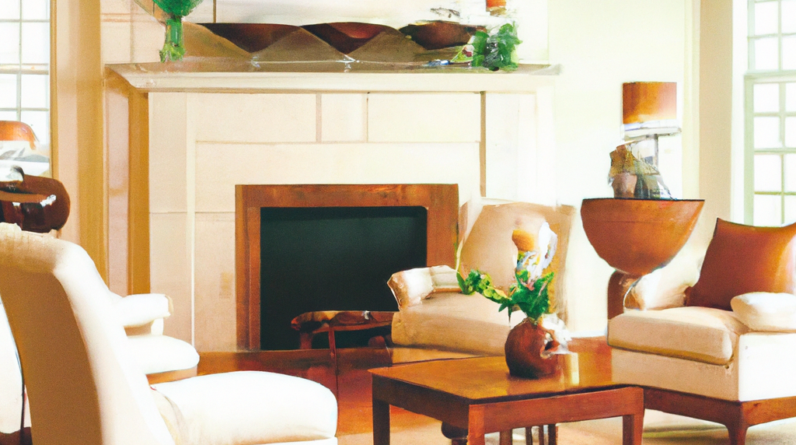
Are you in need of expert interior design services in Fargo, North Dakota? Look no further! At our interior design service based in Fargo, we are dedicated to transforming your space into a stylish and functional haven. Our team of talented designers has a keen eye for detail and a passion for creating beautiful interiors that suit your personal style and needs. From selecting the perfect color palette to choosing the right furniture and accessories, we ensure every aspect of your space is meticulously planned and executed. Let us help you bring your vision to life and create a space that truly reflects your individuality.
Overview of Interior Design
What is Interior Design?
Interior design is the art and science of enhancing the interior of a space to achieve a healthier and more aesthetically pleasing environment for the people using it. It involves the process of planning, coordinating, and managing various elements such as color schemes, furniture, lighting, and accessories to create a cohesive and functional space.
Importance of Interior Design
Interior design plays a crucial role in our lives as it has a significant impact on our well-being and quality of life. A well-designed space can improve productivity, enhance mood, and create a sense of comfort and tranquility. It also reflects our personality and allows us to express ourselves through the design choices we make. Additionally, interior design can increase the value of a property and attract potential buyers or tenants.
Trends in Interior Design
Interior design trends constantly evolve, reflecting the changing needs and desires of homeowners and businesses. Currently, there are several key trends in interior design, including:
-
Biophilic Design: This trend focuses on incorporating elements of nature into interior spaces, such as indoor plants, natural materials, and abundant natural light. Biophilic design has been scientifically proven to reduce stress, increase productivity, and improve overall well-being.
-
Minimalism: Minimalist design emphasizes simplicity and clean lines. It involves decluttering spaces, using neutral colors, and opting for functional furniture and accessories. This trend promotes a sense of calm and enhances visual appeal.
-
Sustainable Design: With a growing emphasis on environmental consciousness, sustainable design practices are gaining popularity. This involves using eco-friendly materials, energy-efficient lighting, and implementing strategies to reduce waste and promote sustainability.
-
Mixing Old and New: Combining vintage and modern elements is a popular trend in interior design. This creates a unique and eclectic style, showcasing the individuality and creativity of the space owner.
Choosing an Interior Design Service
Factors to Consider
When selecting an interior design service, there are several factors to consider:
-
Experience: Look for a design service with a proven track record and extensive experience in the industry. This ensures that they have the knowledge and expertise to handle your project effectively.
-
Style Compatibility: Consider the design style of the service provider and determine if it aligns with your personal taste and preferences. Look for a designer who can bring your vision to life while also incorporating their expertise and creativity.
-
Communication: Effective communication is essential for a successful interior design project. Choose a service that values open and transparent communication, and ensures that your ideas and feedback are heard and incorporated into the design process.
-
Reputation and Reviews: Research the reputation of the interior design service and read reviews and testimonials from previous clients. This will give you insights into their professionalism, customer service, and the quality of their work.
Budget and Pricing
Before hiring an interior design service, it is important to establish a budget for your project. This will help you determine which services are within your financial means. Communicate your budget to the design firm and ensure that they can work within your financial constraints.
Pricing for interior design services can vary widely depending on factors such as the scope of the project, the complexity of the design, and the level of expertise required. Be sure to discuss pricing and payment options upfront to ensure that you are comfortable with the financial aspect of the project.
Previous Work and Portfolio
Reviewing the previous work and portfolio of an interior design service is a crucial step in the selection process. This will give you a sense of their style, creativity, and the quality of their work. Look for a diverse portfolio that showcases a range of design styles and project sizes.
Additionally, ask for references or case studies of similar projects they have completed in the past. This will help you assess their expertise in handling projects similar to yours and give you confidence in their abilities.
Communication and Collaboration
Effective communication and collaboration between you and your chosen interior design service are vital for a successful project. During the selection process, pay attention to how well the design firm listens to your ideas and concerns. A good designer should be able to understand your vision and find ways to bring it to life.
Ensure that the design firm values your input and encourages collaboration throughout the design process. This will ensure that you remain involved in the decision-making process and are satisfied with the end result.
Types of Interior Design Services
Residential Interior Design
Residential interior design focuses on designing and enhancing living spaces such as houses, apartments, and condominiums. The aim is to create functional and aesthetically pleasing environments that reflect the homeowner’s personality and meet their specific needs and lifestyle.
Residential interior design services may include space planning, furniture selection, color schemes, lighting design, and the coordination of various elements to create a cohesive and harmonious space.
Commercial Interior Design
Commercial interior design involves creating functional and visually appealing spaces for businesses such as offices, retail stores, restaurants, and hotels. The goal is to create spaces that not only enhance employee productivity and customer experience but also align with the brand image and values of the business.
Commercial interior design services may include space planning, furniture selection, branding and signage, lighting design, and the incorporation of elements that promote productivity, such as ergonomic furniture and efficient workspace layouts.
Hospitality Interior Design
Hospitality interior design focuses on creating inviting and comfortable spaces for businesses in the hospitality industry, such as hotels, resorts, restaurants, and cafes. The aim is to provide guests with a memorable and enjoyable experience while ensuring that the design aligns with the brand image and target market.
Hospitality interior design services may include the selection of furniture and fixtures, creating visually appealing common areas and guest rooms, optimizing space utilization, and ensuring that the design promotes relaxation and comfort.
Office Interior Design
Office interior design aims to create functional and efficient workspaces that enhance employee productivity, collaboration, and well-being. The design should consider factors such as the nature of the work, the company culture, and the specific needs of the employees.
Office interior design services may include space planning, workstation design, conference room design, lighting design, and the incorporation of elements that promote employee well-being, such as ergonomic furniture and spaces for relaxation.
Finding the Best Interior Design Service in Fargo, North Dakota
Researching Local Design Firms
When searching for the best interior design service in Fargo, North Dakota, it is important to conduct thorough research. Start by compiling a list of reputable design firms in the area. This can be done through online searches, asking for recommendations from friends or colleagues, or consulting local directories and design associations.
Once you have a list of potential design firms, visit their websites to gather more information about their services, portfolios, and design philosophy. Take note of any design styles or project types that resonate with you.
Reading Reviews and Testimonials
Reading reviews and testimonials from previous clients is an excellent way to gauge the reputation and quality of an interior design service. Look for feedback on their professionalism, communication skills, adherence to timelines, and overall satisfaction with the completed project.
You can find reviews and testimonials on various platforms such as the design firm’s website, social media pages, and online review websites. Pay attention to both positive and negative reviews to gain a comprehensive understanding of the design firm’s strengths and weaknesses.
Requesting Consultations
Once you have narrowed down your options, consider requesting consultations with your top design firm choices. Consultations allow you to meet the designers in person and discuss your project in more detail. This is also an opportunity to assess their communication skills, expertise, and compatibility with your design goals.
During the consultation, be prepared to provide information about your project, including your budget, timeline, and design preferences. Ask the designers about their design process, their ideas for your project, and any specific concerns or questions you may have.
Checking Credentials and Certifications
Before making a final decision, it is important to check the credentials and certifications of the interior design service. Look for designers who hold relevant degrees or certifications in interior design or a related field. This ensures that they have undergone proper training and have the necessary knowledge and skills to handle your project.
Additionally, inquire about any professional affiliations or memberships. Membership in reputable design associations indicates a commitment to professional standards and ongoing education in the field of interior design.
Collaborating with an Interior Designer
Defining Your Design Goals and Preferences
Before collaborating with an interior designer, it is important to define your design goals and preferences. Think about the purpose of the space, how you want it to look and feel, and any specific functionality or features you require. Consider the style, color scheme, and overall aesthetic that appeals to you.
Communicate your goals and preferences clearly to the interior designer, providing examples or visuals if possible, to ensure that they have a clear understanding of your vision.
Establishing a Realistic Timeline
Collaborating with an interior designer requires setting a realistic timeline for the project. Discuss your desired completion date with the designer, taking into consideration any potential delays or unforeseen circumstances.
The interior designer will outline the various stages of the project and provide you with an estimated timeline for each phase. This will help you manage your expectations and ensure that the project progresses smoothly.
Preparing Your Space for the Design Process
Before the interior design process begins, it is essential to prepare your space. Clear out any clutter or unnecessary items and create a clean canvas for the designer to work with. If necessary, make arrangements for temporary storage of furniture or belongings during the renovation process.
Ensure that the designer has access to accurate measurements and photographs of the space. This will enable them to create accurate floor plans and visualizations of the design.
Providing Feedback and Making Decisions
Throughout the interior design process, your input and feedback are crucial. The designer will present you with design concepts, material samples, and various options for furniture and accessories. Take the time to review these choices and provide constructive feedback.
Do not hesitate to ask questions or seek clarification if there is anything you are unsure about. The designer’s expertise and guidance can help you make informed decisions that align with your design goals.
Benefits of Hiring an Interior Design Service
Expertise and Professionalism
One of the key benefits of hiring an interior design service is the expertise and professionalism they bring to the table. Designers have a deep understanding of design principles, aesthetics, and functionality. They can effectively translate your ideas into a cohesive and visually appealing design that suits your lifestyle or business needs.
Interior designers also have access to a network of trusted suppliers and industry resources. This ensures that the materials and products used in your project are of high quality and meet your design requirements.
Saving Time and Effort
Designing and decorating a space can be a time-consuming and overwhelming task, especially for individuals with busy schedules or limited knowledge of design principles. Hiring an interior design service can save you valuable time and effort.
Designers take care of the entire design process, from conceptualization to project management and installation. They handle the logistical aspects, such as sourcing materials, coordinating with contractors, and overseeing the construction or renovation work. This frees up your time to focus on other important aspects of your life or business.
Access to Industry Resources and Suppliers
Interior design services have access to a wide range of industry resources and suppliers. This ensures that your project benefits from a diverse range of materials, finishes, furniture, and accessories.
Designers can recommend unique and innovative products that fit your design style and budget. They are also able to negotiate better prices and secure discounts from suppliers, saving you money in the long run.
Enhanced Aesthetics and Functionality
A well-designed space not only looks visually appealing but also functions efficiently. Interior designers have a keen eye for detail and can optimize space utilization, traffic flow, and ergonomic considerations.
They consider factors such as lighting, acoustics, and color psychology to create a space that is not only beautiful but also enhances well-being and productivity. By incorporating design principles and industry best practices, designers can transform a space into a functional and harmonious environment.
Interior Design Process
Initial Consultation and Needs Assessment
The interior design process typically begins with an initial consultation and needs assessment. During this stage, the designer meets with the client to understand their vision, goals, and requirements for the space.
The designer gathers information about the purpose of the space, the desired style, color preferences, and any specific functional needs. They also discuss the budget, timeline, and any other relevant factors that may impact the project.
Design Proposal and Concept Development
Based on the information gathered during the initial consultation, the designer develops a design proposal and concept for the project. This includes creating sketches, mood boards, and 3D visualizations to help the client visualize the design.
The design proposal outlines the overall style, color scheme, and design elements for the space. It may include recommendations for furniture, materials, lighting fixtures, and accessories.
Space Planning and Furniture Layout
Once the design concept is approved, the designer proceeds with space planning and furniture layout. This involves creating detailed floor plans and determining the best placement and arrangement of furniture, fixtures, and other design elements.
The designer considers factors such as traffic flow, functionality, and ergonomics to ensure that the space is optimized for its intended use. They may also collaborate with contractors or architects to ensure that the design aligns with structural and building code requirements.
Material and Color Selection
The selection of materials and colors is a crucial step in the interior design process. The designer helps the client choose finishes, such as flooring, wall coverings, and countertops, that complement the overall design concept.
Color selection plays a crucial role in creating a cohesive and visually appealing space. The designer considers the client’s preferences, lighting conditions, and the desired atmosphere to choose the appropriate color scheme.
Lighting and Accessories
Effective lighting design is essential to create the desired ambiance and functionality in a space. The designer selects appropriate lighting fixtures, such as chandeliers, recessed lights, and sconces, to enhance the overall design and provide the desired level of illumination.
Accessories, such as artwork, rugs, and decorative objects, are carefully selected to bring the design together and add personality and visual interest to the space.
Final Presentation and Installation
Once the design is finalized, the designer presents the client with a comprehensive design package. This includes detailed drawings, material samples, and specifications for all design elements. The client has the opportunity to review the design and provide any final feedback or adjustments.
Once approved, the designer proceeds with the installation phase. This involves coordinating with contractors, suppliers, and other professionals to ensure that the design is executed accurately and to the highest standard.
Interior Design and Sustainability
Green Design Principles
Green design principles in interior design focus on creating environmentally friendly and sustainable spaces. This includes using materials that have a low environmental impact, reducing energy consumption, and promoting healthier indoor environments.
Designers can incorporate green design principles by choosing eco-friendly materials, such as recycled or natural materials, using energy-efficient lighting fixtures, and considering the life cycle of products and materials.
Use of Sustainable and Eco-friendly Materials
The use of sustainable and eco-friendly materials is a key aspect of environmentally conscious interior design. Designers can choose materials such as reclaimed wood, bamboo, or cork, which have a lower environmental impact compared to traditional materials.
Additionally, designers can select products that are certified as environmentally friendly, such as paints with low volatile organic compounds (VOCs) or carpets made from recycled materials.
Energy Efficiency
Energy-efficient design strategies can significantly reduce energy consumption and lower carbon emissions. Designers can incorporate energy-saving techniques by using energy-efficient lighting fixtures, optimizing natural lighting, and selecting appliances and equipment with high energy efficiency ratings.
Indoor Air Quality
Indoor air quality is an important consideration in interior design, as poor air quality can have detrimental effects on health and well-being. Designers can promote good indoor air quality by choosing low VOC materials, incorporating proper ventilation systems, and utilizing air filtering technologies.
Fargo, North Dakota Design Style
Unique Design Challenges and Opportunities
Designing in Fargo, North Dakota presents unique challenges and opportunities. The region’s climate, with harsh winters and hot summers, requires designs that can withstand extreme temperatures and provide comfort to residents.
Fargo’s design style often incorporates elements that embrace the region’s natural surroundings, including expansive windows to take advantage of the abundant natural light and views of the outdoors.
Incorporating Local Influences
Fargo’s rich history and culture can be incorporated into interior design to create a sense of place and reflect the local influences. Elements such as artwork by local artists, locally sourced materials, or nods to the region’s agricultural heritage can add a unique touch to the design.
Region-Specific Design Elements
Design elements that are specific to the Fargo region can be incorporated to create a distinct design style. This could include incorporating rustic elements, such as reclaimed wood or stone, to create a warm and inviting atmosphere.
Additionally, nods to the region’s Scandinavian heritage, such as clean lines and minimalistic design, can create a fresh and modern aesthetic.
Climate Considerations
The extreme climate in Fargo, North Dakota requires careful consideration in interior design. Designers must consider insulation, heating, and cooling systems, and energy-efficient strategies to maintain a comfortable and energy-efficient environment throughout the year.
Window treatments such as thermal curtains and blinds can help regulate indoor temperatures and keep out drafts during winter months. Flooring choices, such as heated floors or durable materials that can withstand the climate, are also important considerations.
Taking Inspiration from Fargo’s Interior Design
Exploring Local Design Trends
To take inspiration from Fargo’s interior design, explore local design trends and styles. This can be done by visiting local design showrooms, attending design events and expos, and engaging with local designers and artisans.
Keep an eye out for unique design elements and materials that are popular in the Fargo area. These can be incorporated into your own design to create a space that is rooted in the local design culture.
Utilizing Fargo’s Natural Surroundings
Fargo’s natural surroundings, with its open landscapes and abundant natural light, can serve as a source of inspiration for interior design. Consider incorporating large windows that maximize natural light and offer views of the outdoors.
Choose design elements that embrace the region’s natural beauty, such as organic textures, natural materials, and earthy color palettes.
Adapting to the Challenging North Dakota Climate
Fargo’s challenging climate requires interior designs that are adaptable and functional year-round. Consider using materials that can withstand extreme temperatures, such as insulated windows and doors, high-quality insulation, and energy-efficient heating and cooling systems.
Design solutions that address the specific challenges of the climate, such as durable and easy-to-clean flooring, can ensure that your space remains functional and visually appealing throughout the year.
Balancing Modernity with Tradition
Fargo’s design style often balances modernity with tradition, creating a unique blend of classic and contemporary aesthetics. Incorporate design elements that reflect Fargo’s rich history while still embracing modern design trends.
Utilize classic design elements such as crown moldings or traditional woodworking techniques alongside modern furnishings and finishes to create a harmonious and timeless design.
In conclusion, interior design plays a vital role in creating functional and aesthetically pleasing spaces. When choosing an interior design service in Fargo, North Dakota, consider factors such as experience, style compatibility, communication, and reputation. Collaborating with an interior designer involves defining design goals, establishing a realistic timeline, preparing the space, and providing feedback. Hiring an interior design service offers benefits such as expertise, time savings, access to industry resources, and enhanced aesthetics. The interior design process includes consultations, proposal development, space planning, material selection, lighting, and installation. Sustainable design principles and considerations for Fargo’s unique climate are important aspects of interior design. Drawing inspiration from Fargo’s design style, exploring local trends, and incorporating region-specific elements can create a space that is both functional and aesthetically pleasing.