When embarking on a project that involves vintage or repurposed furniture, the first step is to truly understand your client’s vision and needs. This process begins with an open dialogue, where you encourage your client to express their ideas, preferences, and lifestyle requirements. You might ask questions about their favorite colors, styles, and the overall atmosphere they wish to create in their space.
By actively listening and engaging in this conversation, you can gain valuable insights into what resonates with them, allowing you to tailor your design approach accordingly. Moreover, it’s essential to consider the practical aspects of your client’s life. For instance, if they have children or pets, durability and ease of maintenance may be high on their list of priorities.
Understanding these nuances will help you curate a selection of vintage or repurposed pieces that not only align with their aesthetic preferences but also meet their functional needs. By taking the time to delve into your client’s vision, you set the foundation for a successful design that reflects their personality and lifestyle.
Key Takeaways
- Understanding the client’s vision and needs is crucial for a successful vintage or repurposed furniture design project.
- Assessing the condition and quality of the vintage or repurposed furniture is important to ensure its longevity and functionality in the space.
- Incorporating vintage or repurposed furniture with the overall design concept requires careful consideration of style, scale, and proportion.
- Balancing vintage and modern elements in the space creates a harmonious and eclectic design aesthetic.
- Customizing vintage or repurposed furniture to fit the design allows for a unique and personalized touch to the space.
Assessing the Condition and Quality of the Vintage or Repurposed Furniture
Conducting a Thorough Examination
Once you have a clear understanding of your client’s vision, the next step is to assess the condition and quality of the vintage or repurposed furniture available for selection. This involves a thorough examination of each piece, looking for signs of wear and tear, structural integrity, and overall craftsmanship. You should pay close attention to details such as joints, finishes, and upholstery, as these factors can significantly impact both the aesthetic appeal and longevity of the furniture.
Uncovering the History and Provenance
In addition to physical inspection, it’s also important to consider the history and provenance of each piece. Understanding where a piece comes from and its journey can add depth to your design narrative. For instance, a mid-century modern chair with a rich backstory can become a conversation starter in your client’s home.
Ensuring Timeless Quality
By carefully evaluating the condition and quality of each item, you can ensure that the selected furniture not only complements the design but also stands the test of time.
Incorporating Vintage or Repurposed Furniture with the Overall Design Concept
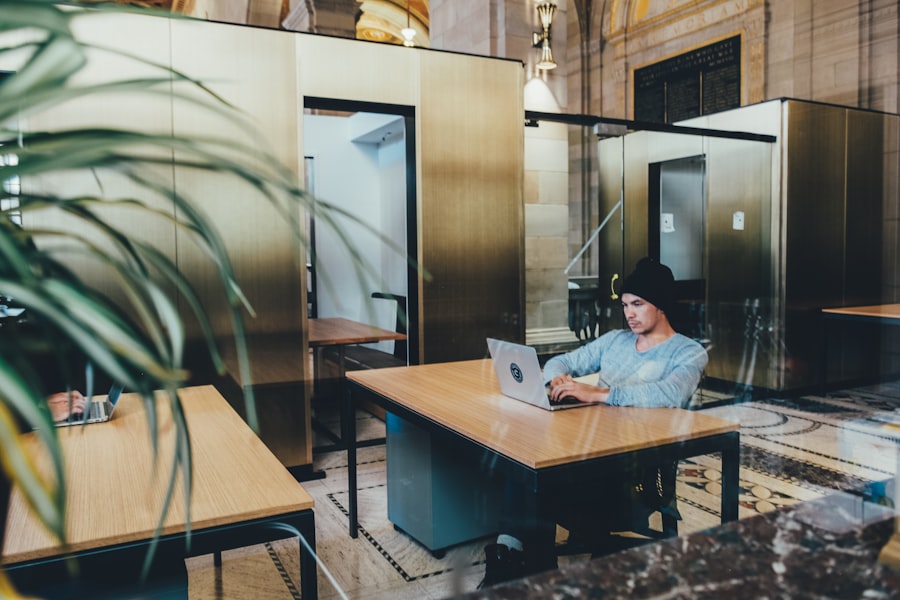
Incorporating vintage or repurposed furniture into your overall design concept requires a thoughtful approach that harmonizes these unique pieces with contemporary elements. You might start by identifying key design themes or color palettes that resonate with your client’s vision. Once you have established these foundational elements, you can strategically place vintage items to create focal points or enhance specific areas within the space.
For example, if your client envisions a cozy reading nook, a beautifully restored vintage armchair paired with a modern side table can create an inviting atmosphere. The juxtaposition of old and new not only adds character but also allows for creative expression within the design. By carefully considering how each piece interacts with its surroundings, you can create a cohesive look that celebrates both vintage charm and modern sensibilities.
Balancing Vintage and Modern Elements in the Space
Achieving a balance between vintage and modern elements is crucial for creating a harmonious design that feels both fresh and timeless. You may find that certain vintage pieces serve as anchors within the space, while modern elements provide contrast and functionality. To strike this balance, consider using modern accessories or artwork to complement vintage furniture, ensuring that neither style overshadows the other.
Additionally, think about scale and proportion when mixing these elements. A large vintage dining table can be beautifully offset by sleek, contemporary chairs that offer a fresh take on traditional design. This interplay not only enhances visual interest but also creates a dynamic environment that reflects your client’s unique taste.
By thoughtfully balancing vintage and modern elements, you can craft a space that feels curated yet inviting.
Customizing Vintage or Repurposed Furniture to Fit the Design
Customization is an excellent way to ensure that vintage or repurposed furniture fits seamlessly into your design scheme. This process may involve reupholstering chairs in fabrics that align with your color palette or refinishing wood surfaces to match other elements in the room. By making these adjustments, you can breathe new life into older pieces while maintaining their character and charm.
Moreover, customization allows you to address any functional needs your client may have. For instance, if a vintage dresser lacks sufficient storage for modern clothing items, you might consider adding additional drawers or modifying existing ones for better organization. This approach not only enhances the usability of the furniture but also ensures that it remains relevant in today’s context.
By embracing customization, you can create a truly personalized design that resonates with your client’s lifestyle.
Ensuring the Functionality and Practicality of Vintage or Repurposed Furniture
While aesthetics are important, functionality and practicality should never be overlooked when incorporating vintage or repurposed furniture into your design. You need to assess how each piece will be used within the space and whether it meets your client’s everyday needs. For example, a vintage coffee table may look stunning but must also be durable enough to withstand daily use.
Consideration of practicality extends beyond just durability; it also involves ensuring that furniture is appropriately sized for the space it occupies. A large vintage armoire may be visually striking but could overwhelm a small room. By carefully evaluating how each piece will function within its environment, you can create a design that is not only beautiful but also livable.
This balance between form and function is key to achieving long-term satisfaction for your client.
Sourcing and Selecting the Right Vintage or Repurposed Furniture Pieces
Sourcing vintage or repurposed furniture requires a keen eye and an understanding of where to find quality pieces that align with your design vision. You might explore local antique shops, flea markets, estate sales, or online marketplaces to discover unique items that tell a story. Each sourcing opportunity presents its own set of challenges and rewards; therefore, being patient and persistent is essential.
When selecting pieces, consider how they will fit into your overall design concept while also appealing to your client’s tastes. It’s often helpful to create a mood board that showcases potential items alongside color swatches and fabric samples. This visual representation can aid in decision-making and ensure that all selected pieces work harmoniously together.
By taking the time to source thoughtfully, you can curate a collection of vintage or repurposed furniture that enhances your design narrative.
Maintaining the Integrity and Authenticity of Vintage or Repurposed Furniture in the Design
Finally, maintaining the integrity and authenticity of vintage or repurposed furniture is vital in preserving its character while integrating it into modern spaces. This means being mindful of how much alteration is made during customization processes; excessive changes can strip away the unique qualities that make these pieces special. Instead, aim for enhancements that respect the original craftsmanship while ensuring functionality.
Additionally, educating your client about the history and significance of each piece can foster appreciation for its authenticity. Sharing stories about where items were sourced or their historical context can deepen their connection to the furniture within their home. By prioritizing integrity in your design approach, you not only honor the past but also create spaces that resonate with meaning and character for years to come.
In conclusion, designing with vintage or repurposed furniture offers an exciting opportunity to blend history with contemporary living. By understanding your client’s vision, assessing quality, balancing styles, customizing thoughtfully, ensuring functionality, sourcing wisely, and maintaining authenticity, you can create spaces that are not only beautiful but also deeply personal. Embrace this journey as a chance to celebrate individuality through design while honoring the stories behind each unique piece.
FAQs
What is vintage or repurposed furniture in interior design?
Vintage or repurposed furniture refers to pieces that are either from a previous era or have been modified or repurposed for a new use. These pieces often have unique character and can add a sense of history and personality to a space.
How do interior designers approach the use of vintage or repurposed furniture in a design?
Interior designers often consider the style, condition, and functionality of vintage or repurposed furniture when incorporating it into a design. They may also take into account the client’s preferences and the overall aesthetic of the space.
What are the benefits of using vintage or repurposed furniture in interior design?
Using vintage or repurposed furniture can add a sense of uniqueness and character to a space. It can also be a sustainable and eco-friendly choice, as it reduces the demand for new furniture production and can give new life to old pieces.
What are some tips for incorporating vintage or repurposed furniture into a design?
Interior designers may suggest mixing vintage or repurposed furniture with modern pieces to create a balanced and eclectic look. They may also recommend considering the scale and proportion of the furniture in relation to the space and other elements in the design.
Are there any challenges associated with using vintage or repurposed furniture in interior design?
One challenge of using vintage or repurposed furniture is ensuring that the pieces are in good condition and suitable for use. Additionally, finding the right pieces that complement the overall design vision can require time and effort.