


When embarking on a design project, the first and foremost step is to grasp the client’s vision. This involves delving deep into their ideas, aspirations, and expectations. You must engage in meaningful conversations that allow you to uncover not just what they want, but why they want it.
By asking open-ended questions, you can encourage your client to articulate their thoughts and feelings about the project. This dialogue is crucial, as it sets the foundation for the entire design process. You should aim to create a space where your client feels comfortable sharing their dreams and concerns, ensuring that you can translate their vision into a tangible reality.
Moreover, understanding the client’s vision goes beyond mere aesthetics; it encompasses their lifestyle, values, and even their personality. You should take the time to observe how they interact with their environment and what elements resonate with them. This could involve discussing their favorite colors, materials, or styles, as well as any specific inspirations they may have.
By immersing yourself in their world, you can better align your design approach with their expectations. Ultimately, your goal is to create a design that not only meets their needs but also reflects who they are as individuals.
Key Takeaways
- Understanding the client’s vision is crucial for creating a design that meets their expectations and needs.
- Effective communication with the client is essential for ensuring that their feedback and ideas are incorporated into the design process.
- Incorporating personal preferences adds a personalized touch to the design and creates a space that reflects the client’s personality.
- Balancing functionality and aesthetics is important for creating a design that is both visually appealing and practical for everyday use.
- Addressing budget and practical considerations is necessary to ensure that the design is feasible and meets the client’s financial constraints.
Communicating with the Client
Encouraging Collaboration
Regular check-ins and updates can help maintain transparency and build trust. You should encourage your client to share their thoughts and feedback at every stage, fostering an environment where collaboration thrives. This two-way communication allows you to address any concerns promptly and make adjustments as needed.
The Power of Visual Aids
In addition to verbal communication, visual aids can play a significant role in conveying ideas. Utilizing sketches, mood boards, or digital renderings can help bridge the gap between your concepts and the client’s understanding. These tools allow you to present your ideas in a more tangible way, making it easier for your client to visualize the final outcome.
Clarity through Combination
By combining verbal explanations with visual representations, you can enhance clarity and ensure that both you and your client are on the same page. This approach helps to avoid misunderstandings and ensures that the final product meets the client’s expectations.
Incorporating Personal Preferences
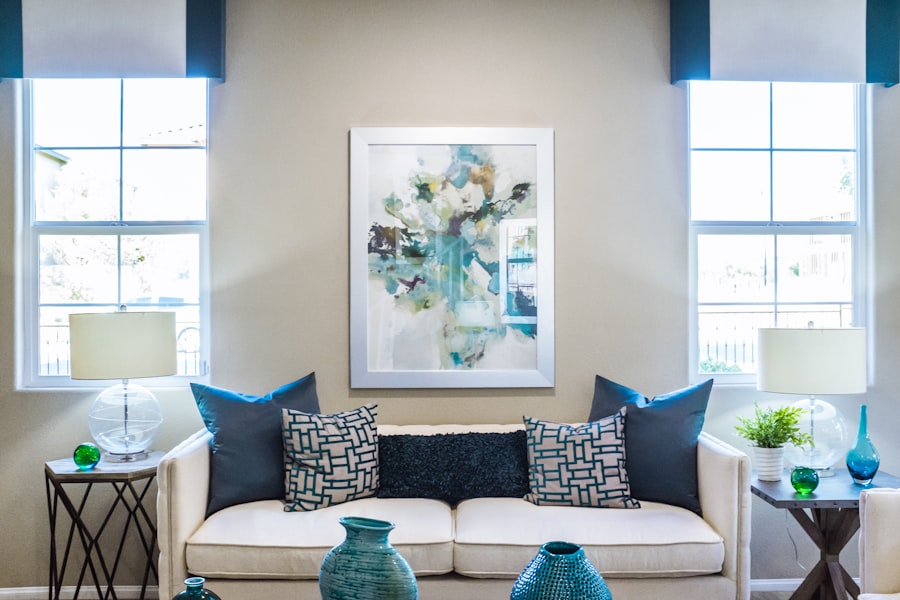
Every client has unique tastes and preferences that should be woven into the design process. As you work to create a space that resonates with them, it’s essential to actively seek out these personal touches. You might start by discussing their favorite colors, patterns, or materials, as well as any specific items they wish to incorporate into the design.
This could range from heirloom furniture pieces to artwork that holds sentimental value. By integrating these elements, you not only personalize the space but also create a sense of ownership for your client. Furthermore, understanding personal preferences extends beyond aesthetics; it also involves considering how the space will be used.
You should inquire about their daily routines and activities to ensure that the design accommodates their lifestyle. For instance, if they enjoy entertaining guests, you might prioritize open spaces and comfortable seating arrangements. By taking these preferences into account, you can create a design that feels authentic and functional, ultimately enhancing your client’s experience in their newly designed environment.
Balancing Functionality and Aesthetics
In the realm of design, striking a balance between functionality and aesthetics is paramount. While it’s tempting to focus solely on creating visually stunning spaces, you must also consider how those spaces will serve their intended purpose. Each element of your design should contribute to both beauty and practicality.
For instance, when selecting furniture or fixtures, you should evaluate not only their appearance but also their usability and durability. This dual focus ensures that your design is not only pleasing to the eye but also functional for everyday life. Moreover, achieving this balance often requires creative problem-solving.
You may encounter challenges where a particular aesthetic choice conflicts with practical needs. In such cases, it’s essential to think outside the box and explore alternative solutions that satisfy both criteria. For example, if a specific color scheme is desired but may not work well in terms of lighting or space perception, you could suggest complementary colors or materials that maintain the desired look while enhancing functionality.
By navigating these challenges thoughtfully, you can create spaces that are both beautiful and livable.
Addressing Budget and Practical Considerations
Budget constraints are an inevitable aspect of any design project, and addressing them early on is crucial for a smooth process. You should engage in an open discussion with your client about their budgetary limits and financial expectations. This conversation not only helps set realistic goals but also allows you to tailor your design approach accordingly.
By understanding what your client is willing to invest, you can prioritize elements that matter most to them while finding cost-effective alternatives for other aspects. In addition to budget considerations, practical aspects such as timelines and resource availability must also be taken into account. You should develop a clear project timeline that outlines key milestones and deadlines, ensuring that both you and your client are aligned on expectations.
Furthermore, being aware of material availability can help prevent delays down the line. By proactively addressing these practical considerations alongside budgetary constraints, you can create a comprehensive plan that keeps the project on track while meeting your client’s needs.
Presenting Design Options

Once you have gathered all necessary information and insights from your client, it’s time to present design options that reflect their vision while incorporating functionality and practicality. This stage is where your creativity truly shines; you should curate a selection of designs that showcase different styles, layouts, and materials. Each option should be thoughtfully crafted to highlight various aspects of the client’s preferences while remaining within budgetary constraints.
When presenting these options, it’s essential to provide context for each design choice. Explain how each element aligns with the client’s vision and addresses their specific needs. Visual aids such as 3D renderings or physical samples can enhance this presentation by allowing your client to visualize how each option would come together in reality.
Encourage feedback during this stage; it’s an opportunity for collaboration that can lead to refinements and adjustments based on your client’s reactions.
Revising and Refining Designs
After presenting initial design options, be prepared for revisions and refinements based on your client’s feedback. This iterative process is vital for ensuring that the final design aligns perfectly with their vision. You should approach this stage with an open mind, ready to adapt your ideas while maintaining the core principles of functionality and aesthetics.
Encourage your client to express any concerns or preferences they may have regarding specific elements of the designs presented. As you revise designs, consider creating multiple iterations based on feedback received. This not only demonstrates your commitment to meeting their needs but also allows for exploration of new ideas that may arise during discussions.
By collaborating closely with your client during this phase, you can fine-tune details such as color palettes, materials, or layouts until they feel completely satisfied with the direction of the project.
Finalizing the Design with Client Approval
The final stage of the design process involves securing client approval before moving forward with implementation. At this point, you should present the refined design in its entirety, showcasing how all elements come together cohesively. It’s essential to communicate clearly about what has been adjusted based on previous feedback and how those changes enhance the overall vision.
Once you have presented the final design, encourage your client to ask questions or voice any last-minute concerns they may have. This open dialogue fosters trust and ensures that they feel confident in their decision before proceeding. After addressing any final adjustments or clarifications needed, seek formal approval from your client to move forward with implementation.
This step not only solidifies your partnership but also marks an exciting transition from concept to reality as you embark on bringing their vision to life. In conclusion, navigating the complexities of a design project requires a thoughtful approach that prioritizes understanding the client’s vision while balancing functionality with aesthetics. Through effective communication and collaboration at every stage—from initial discussions through revisions—you’re able to create spaces that truly reflect your client’s unique identity and lifestyle needs.
By addressing budgetary constraints alongside practical considerations and presenting well-curated options for approval, you ensure a successful outcome that leaves both you and your client satisfied with the final result.
FAQs
What is the role of an interior designer in incorporating clients’ personal preferences?
Interior designers play a crucial role in understanding and incorporating clients’ personal preferences into the design process. They work closely with clients to understand their style, needs, and vision for the space, and then use their expertise to translate those preferences into a cohesive and functional design.
How do interior designers gather information about clients’ personal preferences?
Interior designers gather information about clients’ personal preferences through initial consultations, questionnaires, mood boards, and discussions about the client’s lifestyle, tastes, and desired functionality for the space. They may also ask clients to provide inspiration images or examples of styles they like.
What are some common methods interior designers use to incorporate clients’ personal preferences into the design?
Interior designers incorporate clients’ personal preferences into the design by selecting furniture, materials, colors, and accessories that align with the client’s style and vision for the space. They also consider the client’s lifestyle and functional needs when making design decisions.
How do interior designers navigate conflicting personal preferences from multiple clients?
When working with multiple clients with conflicting personal preferences, interior designers facilitate open communication and compromise to find solutions that satisfy both parties. They may also identify common ground and design elements that can be incorporated to reflect each client’s preferences.
What are the benefits of incorporating clients’ personal preferences into the design process?
Incorporating clients’ personal preferences into the design process helps create a space that feels personalized and reflective of the client’s style and lifestyle. It also fosters a sense of ownership and satisfaction for the client, leading to a more successful and fulfilling design outcome.


