


Contemporary design is a dynamic and ever-evolving style that reflects the current trends and cultural influences of the time. As you delve into this fascinating world, you will discover that contemporary design is not merely a static aesthetic; it is a living expression of the present moment, shaped by technological advancements, social changes, and artistic movements. This design philosophy embraces innovation and creativity, allowing for a diverse range of interpretations and applications.
Whether you are looking to revamp your living space or simply seeking inspiration, understanding contemporary design can provide you with valuable insights into how to create environments that resonate with today’s sensibilities. As you explore contemporary design, you will find that it is characterized by its emphasis on simplicity, functionality, and a connection to the surrounding environment. This approach often incorporates sustainable materials and practices, reflecting a growing awareness of ecological issues.
The beauty of contemporary design lies in its ability to adapt and evolve, making it relevant across various contexts and cultures. By embracing contemporary design principles, you can create spaces that are not only aesthetically pleasing but also functional and reflective of your personal style.
Key Takeaways
- Contemporary design is characterized by clean lines, minimalism, and a focus on function and form.
- It contrasts with traditional design by embracing new materials, technologies, and styles, and prioritizing simplicity and functionality over ornate details.
- In comparison with modern design, contemporary design is more fluid and adaptable, incorporating current trends and styles while modern design is rooted in a specific time period.
- Contemporary design differs from minimalist design by allowing for more flexibility and creativity in the use of color, texture, and accessories.
- Contemporary design and industrial design share some similarities in their focus on functionality and use of modern materials, but contemporary design is more focused on aesthetics and individual expression.
Characteristics of Contemporary Design
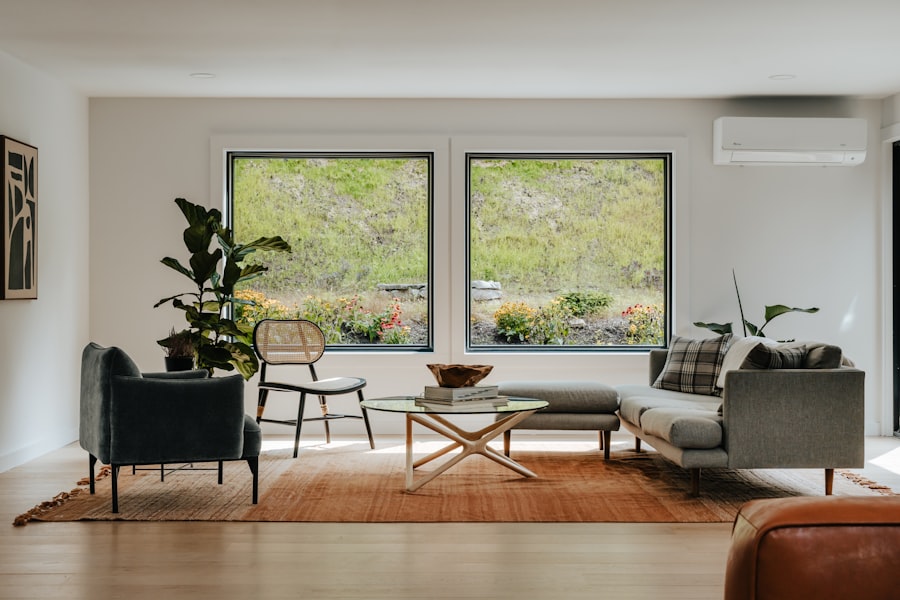
One of the most defining characteristics of contemporary design is its focus on clean lines and open spaces. You will notice that contemporary interiors often feature minimal ornamentation, allowing the architecture and furnishings to take center stage. This emphasis on simplicity creates an uncluttered environment that promotes a sense of calm and order.
In your own space, you might consider incorporating large windows or open floor plans to enhance the feeling of spaciousness and light. Another hallmark of contemporary design is the use of a neutral color palette, often accented with bold pops of color. This approach allows for versatility and adaptability in your decor choices.
You may find that incorporating vibrant artwork or statement furniture pieces can add personality to an otherwise subdued space. Additionally, contemporary design often embraces a mix of textures and materials, such as wood, metal, glass, and fabric, creating visual interest and depth. By experimenting with these elements, you can achieve a harmonious balance that reflects your unique taste.
Contrast with Traditional Design

When you compare contemporary design to traditional design, the differences become strikingly apparent. Traditional design is rooted in historical styles and often features ornate details, rich colors, and intricate patterns. In contrast, contemporary design prioritizes simplicity and functionality over decorative elements.
As you consider your own preferences, you may find that contemporary design offers a refreshing alternative to the more formal and sometimes rigid aspects of traditional aesthetics. Moreover, traditional design often relies on established rules and conventions, whereas contemporary design encourages experimentation and innovation. This freedom allows you to express your individuality in ways that traditional design may not permit.
For instance, while traditional spaces might adhere to specific color schemes or furniture styles, contemporary design invites you to mix and match elements from various influences, creating a personalized environment that reflects your lifestyle and values.
Comparison with Modern Design
While contemporary design is often confused with modern design, it is essential to recognize the distinctions between the two. Modern design refers to a specific historical movement that emerged in the early to mid-20th century, characterized by its embrace of minimalism and functionalism. In contrast, contemporary design encompasses a broader range of styles and influences that are constantly evolving.
As you explore these differences, you may find that contemporary design allows for greater flexibility in terms of aesthetics and materials. In practical terms, modern design often features geometric shapes and a limited color palette, while contemporary design embraces a wider variety of forms and colors. You might notice that contemporary spaces often incorporate elements from various styles—such as industrial or bohemian—creating a more eclectic feel.
This adaptability makes contemporary design particularly appealing for those who wish to create spaces that reflect their personal tastes while remaining relevant in today’s fast-paced world.
Differences from Minimalist Design
Minimalist design shares some similarities with contemporary design but ultimately represents a distinct philosophy. While both styles prioritize simplicity and functionality, minimalist design takes this concept to an extreme by stripping away all non-essential elements. In your own space, you may appreciate the clean lines and uncluttered surfaces that minimalist design offers; however, you might also find it lacks the warmth and personality that contemporary design can provide.
Contemporary design allows for more expression through color, texture, and form than minimalist design typically does. You may find that incorporating unique art pieces or vibrant textiles into your contemporary space adds character without overwhelming the overall aesthetic. This balance between simplicity and individuality is what sets contemporary design apart from its minimalist counterpart, allowing you to create an inviting atmosphere that reflects your personal style while maintaining a sense of order.
Contemporary Design versus Industrial Design
Industrial design is another style that often intersects with contemporary aesthetics but has its own unique characteristics. Originating from the repurposing of warehouses and factories into living spaces, industrial design emphasizes raw materials such as exposed brick, concrete, and metal. As you explore this style, you may appreciate its rugged charm; however, it can sometimes feel cold or uninviting if not balanced with softer elements.
In contrast, contemporary design seeks to create a more cohesive and harmonious environment by blending various materials and textures. While industrial spaces may celebrate their imperfections and unfinished qualities, contemporary spaces often strive for a polished look that still retains an element of warmth. You might find that incorporating softer furnishings or organic shapes into an industrial-inspired space can help bridge the gap between these two styles, creating a comfortable yet stylish atmosphere.
Contemporary Design in Contrast with Eclectic Design
Eclectic design is characterized by its bold mixing of styles, colors, and patterns from different eras and cultures. While contemporary design allows for some degree of experimentation, it typically adheres to a more cohesive aesthetic than eclectic design does. As you consider your own preferences, you may find that eclectic spaces can feel chaotic or overwhelming if not carefully curated.
In contrast, contemporary design emphasizes balance and harmony while still allowing for personal expression. You might choose to incorporate eclectic elements into your contemporary space by selecting a few standout pieces that complement the overall aesthetic rather than dominate it. This approach enables you to enjoy the vibrancy of eclecticism while maintaining the clean lines and simplicity that define contemporary design.
Embracing Contemporary Design in Interior Spaces
As you reflect on the principles of contemporary design, it becomes clear that this style offers a versatile framework for creating inviting and functional spaces. By embracing clean lines, neutral palettes accented with bold colors, and a mix of textures and materials, you can craft environments that resonate with today’s sensibilities while reflecting your personal taste. The adaptability of contemporary design allows you to experiment with various influences while maintaining a cohesive aesthetic.
Ultimately, embracing contemporary design in your interior spaces means prioritizing both functionality and beauty. By understanding the nuances between contemporary design and other styles—such as traditional, modern, minimalist, industrial, and eclectic—you can make informed choices that enhance your living environment. Whether you are redesigning an entire home or simply refreshing a single room, contemporary design provides the tools you need to create spaces that are not only visually appealing but also deeply connected to the world around you.
FAQs
What is contemporary design in interior design?
Contemporary design in interior design refers to the style that is current and of the moment. It often incorporates clean lines, minimalism, and a mix of different materials and textures.
How does contemporary design differ from traditional interior design?
Contemporary design differs from traditional interior design in that it is more focused on the present and the future rather than the past. It often features sleek and clean lines, minimalism, and a neutral color palette, whereas traditional design tends to be more ornate and decorative.
What sets contemporary design apart from other interior design styles?
Contemporary design sets itself apart from other interior design styles by its focus on the present and the future, its use of clean lines and minimalism, and its incorporation of a mix of different materials and textures.
What are some key elements of contemporary design in interior design?
Key elements of contemporary design in interior design include clean lines, minimalism, neutral color palettes, a mix of different materials and textures, and a focus on open and airy spaces.
How does contemporary design differ from modern interior design?
Contemporary design and modern interior design are often used interchangeably, but modern design specifically refers to a style that emerged in the early to mid-20th century, while contemporary design refers to the style that is current and of the moment.


