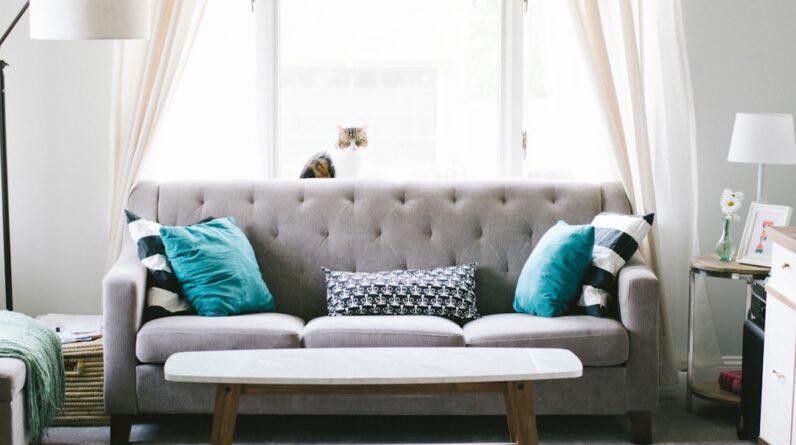
When you think about a multigenerational family, you might envision a household filled with diverse perspectives, experiences, and lifestyles. This unique blend of generations can create a rich tapestry of relationships, but it also brings specific needs that must be addressed in the home environment. Understanding these needs is crucial for creating a harmonious living space that accommodates everyone, from grandparents to grandchildren.
You may find that older family members require accessibility features, while younger ones need areas for play and study. Recognizing these varying requirements is the first step toward designing a home that fosters connection and comfort. In addition to physical needs, emotional and social dynamics play a significant role in multigenerational living.
You might consider how different generations interact and what spaces can facilitate these connections. For instance, communal areas where family members can gather for meals or activities can strengthen bonds and create lasting memories. Conversely, private spaces are equally important, allowing individuals to retreat and recharge.
By understanding the multifaceted needs of your family, you can create a balanced environment that nurtures both togetherness and individuality.
Key Takeaways
- Multigenerational families have diverse needs that require careful consideration in design
- Design should prioritize flexibility and functionality to accommodate different family members
- Private and communal spaces should be carefully balanced to meet the needs of all family members
- Universal design principles should be incorporated to ensure accessibility for all ages and abilities
- Design should aim to balance different preferences and styles within the family
- Technology can be utilized to enhance convenience and comfort for all family members
- Ample storage and organization solutions are essential for a multigenerational family
- Sustainable and eco-friendly design elements should be integrated for a healthier living environment
Flexibility and functionality in design
Adaptable Spaces for Various Occasions
Open floor plans are an excellent way to achieve flexibility. They enable you to easily reorganize furniture to suit different occasions, whether it’s a family gathering or a quiet evening at home. This adaptability not only enhances the usability of your space but also encourages collaboration and interaction among family members.
Functional Design Elements
Functionality goes hand in hand with flexibility. Consider incorporating multi-purpose furniture that serves more than one function, such as a sofa bed for guests or an expandable dining table for larger gatherings. This approach enables you to create a Practical and Comfortable Living Space.
Prioritizing Storage and Aesthetics
Additionally, storage solutions that are both functional and aesthetically pleasing can help maintain an organized environment. By prioritizing flexible and functional design elements, you can create a home that evolves with your family’s changing needs while ensuring that everyone feels comfortable and supported.
Creating private and communal spaces

In a multigenerational household, striking the right balance between private and communal spaces is vital for maintaining harmony. You may find that communal areas serve as the heart of the home, where family members come together to share meals, celebrate milestones, or simply enjoy each other’s company. Designing inviting communal spaces with comfortable seating, ample lighting, and a warm atmosphere can encourage interaction and foster strong relationships among family members.
On the other hand, private spaces are equally important for individual well-being. You might consider creating designated areas where family members can retreat for solitude or personal pursuits. These spaces could include cozy reading nooks, home offices, or even small bedrooms designed for privacy.
By thoughtfully planning both communal and private areas, you can ensure that your home caters to the diverse needs of each generation while promoting a sense of belonging and security.
Incorporating universal design principles
Universal design principles are essential when creating a home that accommodates individuals of all ages and abilities. As you consider the layout and features of your multigenerational home, think about how to make it accessible for everyone. This might involve incorporating wider doorways for wheelchair access, installing grab bars in bathrooms, or ensuring that essential living areas are located on the main floor to eliminate the need for stairs.
By prioritizing accessibility, you can create an environment where all family members feel safe and comfortable. Moreover, universal design goes beyond mere accessibility; it also emphasizes usability for people of varying ages and abilities. You may want to select fixtures and finishes that are easy to operate, such as lever-style door handles or touchless faucets.
Additionally, consider using contrasting colors to help those with visual impairments navigate the space more easily. By embracing universal design principles, you can create a home that not only meets the needs of your multigenerational family but also promotes independence and dignity for all.
Balancing different design preferences
One of the challenges of designing a multigenerational home is balancing the diverse design preferences of its inhabitants. Each generation may have its own aesthetic tastes, which can lead to potential conflicts when it comes to selecting colors, materials, and furnishings. As you navigate this process, open communication is key.
Encourage family members to express their preferences and collaborate on design decisions to ensure everyone feels represented in the final outcome. You might also consider creating a cohesive design theme that incorporates elements from each generation’s style while maintaining a sense of unity throughout the home. For instance, blending modern furnishings with vintage accents can create an eclectic yet harmonious atmosphere.
Additionally, using neutral color palettes as a base allows you to introduce pops of color or unique decor items that reflect individual tastes without overwhelming the overall design. By finding common ground and celebrating each generation’s preferences, you can create a space that feels like home for everyone.
Utilizing technology for convenience and comfort

In today’s fast-paced world, technology plays an increasingly important role in enhancing convenience and comfort within the home. For a multigenerational family, integrating smart home technology can streamline daily tasks and improve overall quality of life. You might consider installing smart thermostats that allow for personalized climate control in different areas of the house or utilizing smart lighting systems that can be adjusted based on individual preferences or activities.
Moreover, technology can also enhance safety and security for all family members. You may want to explore options such as video doorbells or security cameras that provide peace of mind while allowing older relatives to maintain their independence. Additionally, voice-activated assistants can help family members manage schedules, set reminders, or even control other smart devices with ease.
By embracing technology in your multigenerational home, you can create an environment that prioritizes comfort while catering to the unique needs of each generation.
Maximizing storage and organization
In a multigenerational household, effective storage solutions are essential for maintaining order and minimizing clutter. With multiple generations living under one roof, you may find that belongings accumulate quickly, making it crucial to implement smart organization strategies. Consider incorporating built-in shelving units or multifunctional furniture with hidden storage compartments to maximize space without sacrificing style.
Additionally, creating designated storage areas for each family member can help ensure that everyone has their own space for personal belongings while promoting accountability in keeping shared areas tidy. You might also explore vertical storage options or under-bed storage solutions to make the most of every inch in your home. By prioritizing organization and storage efficiency, you can create a more functional living environment that allows your multigenerational family to thrive.
Incorporating sustainable and eco-friendly design elements
As you design your multigenerational home, consider incorporating sustainable and eco-friendly elements that benefit both your family and the environment. You may want to explore energy-efficient appliances that reduce utility costs while minimizing your carbon footprint. Additionally, using sustainable materials such as bamboo flooring or recycled countertops can contribute to a healthier living space while showcasing your commitment to environmental responsibility.
Furthermore, incorporating natural light through strategically placed windows or skylights can enhance your home’s energy efficiency while creating a warm and inviting atmosphere. You might also consider implementing water-saving fixtures in bathrooms and kitchens to promote conservation efforts within your household. By embracing sustainable design practices, you not only create a healthier environment for your family but also set an example for future generations about the importance of caring for our planet.
FAQs
What is contemporary interior design?
Contemporary interior design refers to the current trends and styles in interior design, which often emphasize clean lines, open spaces, and a mix of modern and traditional elements.
What are the needs of a multigenerational family living under one roof?
A multigenerational family living under one roof may have diverse needs, including privacy for different family members, accessibility for elderly or disabled individuals, and spaces for both communal activities and individual relaxation.
How does contemporary interior design adapt to the needs of a multigenerational family?
Contemporary interior design can adapt to the needs of a multigenerational family by incorporating flexible and multifunctional spaces, using universal design principles to make the home accessible to all, and creating separate zones for different activities and privacy.
What are some design elements that can accommodate a multigenerational family?
Design elements that can accommodate a multigenerational family include adaptable furniture, open floor plans, accessible bathrooms and kitchens, separate living areas, and storage solutions to accommodate the belongings of multiple generations.
How can contemporary interior design promote harmony in a multigenerational household?
Contemporary interior design can promote harmony in a multigenerational household by creating spaces that encourage interaction and communication, providing private retreats for individuals when needed, and incorporating elements that reflect the diverse tastes and preferences of the family members.