


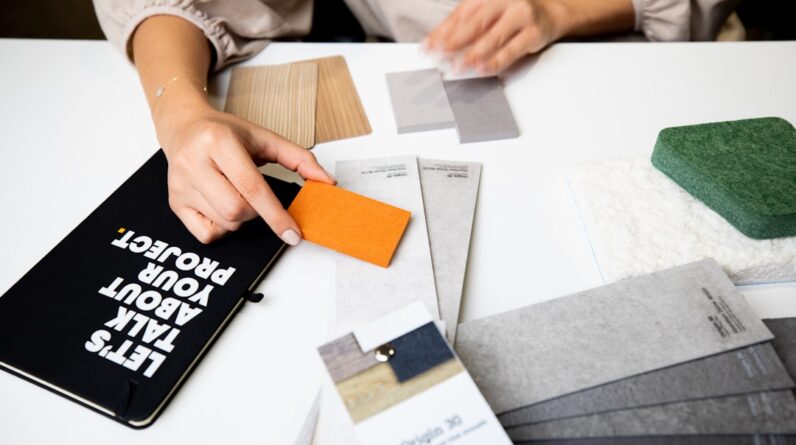
Before embarking on the journey of hiring a designer, it is crucial to take a step back and reflect on your own needs and style. This initial phase is not just about identifying what you want; it’s about understanding who you are and how that translates into design. Consider the purpose of the project—are you looking to revamp your home, create a brand identity, or design a product?
Each of these objectives requires a different approach and understanding of your personal taste. Take the time to explore various design styles, from minimalist to eclectic, and think about what resonates with you. This self-reflection will serve as a foundation for your discussions with potential designers.
Moreover, it’s essential to articulate your vision clearly. Jot down your thoughts, inspirations, and any specific requirements you may have. Visual aids can be incredibly helpful; create mood boards or collect images that capture the essence of what you envision.
This will not only help you clarify your own ideas but also provide a reference point for designers. By understanding your needs and style upfront, you set the stage for a more productive collaboration, ensuring that the designer can align their creativity with your expectations.
Key Takeaways
- Understand your needs and style before starting the search for a designer
- Research and shortlist potential designers based on their expertise and experience
- Check the designer’s portfolio and previous work to ensure they align with your vision
- Set a realistic budget to avoid any financial surprises during the project
- Meet with potential designers for consultations to gauge their compatibility with your project
Researching and Shortlisting Potential Designers
Once you have a clear understanding of your needs and style, the next step is to research and shortlist potential designers. Start by exploring various platforms where designers showcase their work, such as websites, social media, and design-specific forums. Pay attention to their previous projects and see if their aesthetic aligns with your vision.
You might also want to ask for recommendations from friends or colleagues who have had positive experiences with designers in the past. Personal referrals can often lead you to talented individuals who may not be as visible online. As you compile your list, consider the designers’ areas of expertise.
Some may specialize in residential design, while others might focus on commercial projects or branding. It’s important to find someone whose skills match the specific requirements of your project. Additionally, take note of their geographical location; while remote collaboration is increasingly common, having a designer who is familiar with local trends and regulations can be beneficial.
By carefully researching and shortlisting potential designers, you ensure that you are investing your time in individuals who are well-suited to bring your vision to life.
Checking the Designer’s Portfolio and Previous Work
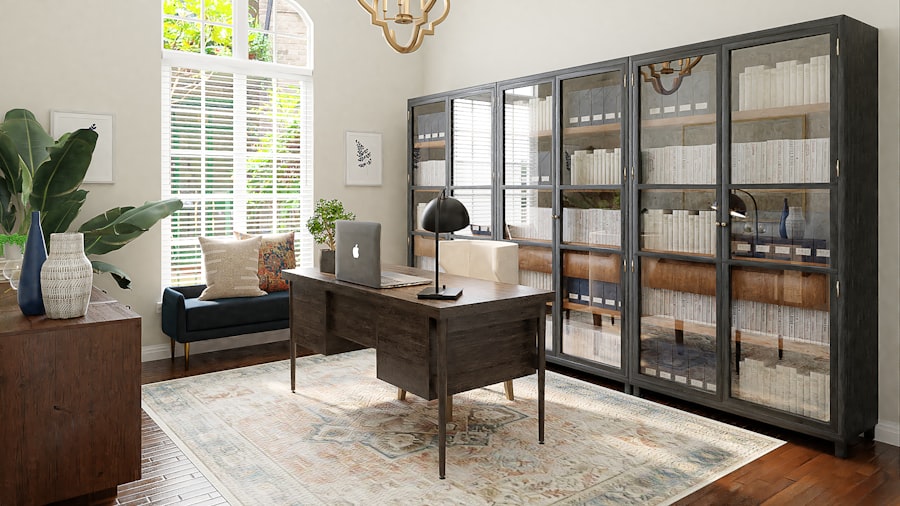
With a shortlist in hand, it’s time to delve deeper into each designer’s portfolio and previous work. A designer’s portfolio is a window into their creative capabilities and style. Look for diversity in their projects; this can indicate versatility and an ability to adapt to different client needs.
Pay attention to the details—how do they handle space, color, texture, and functionality? A well-rounded portfolio will not only showcase completed projects but also highlight the designer’s thought process and problem-solving skills. While reviewing their work, consider how each project aligns with your own vision.
Are there elements that resonate with you? Do their designs evoke the emotions or atmosphere you wish to create? Additionally, look for case studies or project descriptions that provide insight into the designer’s approach and challenges faced during the project.
This information can give you a better understanding of how they work and whether they would be a good fit for your needs.
Setting a Realistic Budget
Budgeting is often one of the most challenging aspects of any design project, yet it is essential for setting realistic expectations. Begin by determining how much you are willing to invest in the project. This figure should encompass not only the designer’s fees but also any materials, furnishings, or additional services required to complete the project.
It’s important to be honest with yourself about what you can afford; this will help narrow down your options and prevent any future disappointments. Once you have a budget in mind, communicate it clearly to potential designers during initial consultations. A good designer will respect your budget constraints and work within them to deliver the best possible outcome.
They may also provide insights into where you can allocate funds more effectively or suggest alternatives that align with your financial plan. By setting a realistic budget from the outset, you create a framework for collaboration that allows both you and the designer to focus on creativity rather than financial stress.
Meeting with Potential Designers for Consultations
After narrowing down your list of potential designers, it’s time to meet with them for consultations. These meetings are an opportunity for you to gauge not only their expertise but also their personality and communication style. A successful design partnership relies heavily on mutual understanding and rapport, so pay attention to how well you connect with each designer during these discussions.
Are they attentive to your ideas? Do they ask insightful questions that demonstrate their interest in your project? During these consultations, be prepared to discuss your vision in detail.
Share your mood boards, inspirations, and any specific requirements you have in mind. This is also a good time to ask about their design process, timelines, and how they typically handle client feedback. Take notes during these meetings; this will help you compare each designer’s approach later on when making your final decision.
Ultimately, these consultations are not just about assessing qualifications but also about finding someone who resonates with your vision and values.
Discussing Timelines and Project Management
Once you’ve established a connection with potential designers, it’s crucial to discuss timelines and project management strategies. Every design project has its own unique timeline based on complexity, scope, and client needs. During your discussions, inquire about their typical workflow and how they manage multiple projects simultaneously.
A well-organized designer will have a clear plan for each phase of the project, from initial concept development through to final execution. Additionally, consider how often you would like updates on progress and what methods of communication work best for both parties. Establishing a timeline upfront helps set expectations and ensures that everyone is on the same page regarding deadlines.
If there are specific milestones or events that need to be considered—such as holidays or special occasions—be sure to communicate these as well. By discussing timelines and project management early on, you create a structured environment that fosters accountability and keeps the project moving forward smoothly.
Clarifying Communication and Decision-Making Processes
Effective communication is at the heart of any successful design project. As you engage with potential designers, clarify how communication will be handled throughout the process. Will there be regular check-ins via email or scheduled meetings?
Understanding how often you can expect updates will help alleviate any concerns about progress or changes along the way. Additionally, discuss how decisions will be made—will it be a collaborative process where both parties contribute ideas, or will the designer take the lead based on your initial input? It’s also important to establish how feedback will be given and received.
Constructive criticism is vital in design; however, it should be approached thoughtfully to maintain a positive working relationship. Make sure both you and the designer feel comfortable expressing opinions openly while respecting each other’s expertise. By clarifying communication and decision-making processes upfront, you lay the groundwork for a collaborative partnership that encourages creativity while keeping everyone aligned.
Understanding the Designer’s Approach and Design Philosophy
Every designer has a unique approach and philosophy that shapes their work. As you engage with potential candidates, take the time to understand their design philosophy—what principles guide their creative process? Some designers may prioritize sustainability and eco-friendly materials, while others might focus on functionality or aesthetic appeal.
Understanding these philosophies can help you determine if their values align with yours. Ask open-ended questions about their approach to design challenges or how they incorporate client feedback into their work. This dialogue can reveal much about their problem-solving skills and adaptability in various situations.
A designer who is willing to explain their thought process demonstrates transparency and confidence in their abilities. By gaining insight into their approach and philosophy, you can make an informed decision about whether they are the right fit for your project.
Checking References and Client Testimonials
Before making a final decision on which designer to hire, it’s wise to check references and client testimonials. Reach out to previous clients to gain insight into their experiences working with the designer. Ask specific questions about communication styles, adherence to timelines, problem-solving abilities, and overall satisfaction with the final results.
This firsthand feedback can provide valuable context that goes beyond what is presented in portfolios. Additionally, look for online reviews or testimonials on social media platforms or design websites. While every designer may have some negative feedback—after all, no one can please everyone—pay attention to recurring themes in reviews.
If multiple clients mention similar strengths or weaknesses, this can help inform your decision-making process. By thoroughly vetting references and testimonials, you ensure that you are choosing a designer who has a proven track record of delivering quality work while maintaining positive client relationships.
Reviewing and Finalizing the Contract
Once you’ve selected a designer who aligns with your vision and values, it’s time to review and finalize the contract. A well-drafted contract serves as a roadmap for the entire project; it outlines expectations regarding scope of work, timelines, payment schedules, and deliverables. Take the time to read through every detail carefully—ensure that all aspects discussed during consultations are accurately reflected in the agreement.
Don’t hesitate to ask questions or request modifications if something doesn’t sit right with you. A reputable designer will appreciate your diligence in ensuring clarity before moving forward. Additionally, consider including clauses related to revisions or changes in scope; this can help prevent misunderstandings later on in the project.
By thoroughly reviewing and finalizing the contract, you establish a solid foundation for collaboration that protects both parties’ interests.
Establishing a Clear Scope of Work and Deliverables
Finally, establishing a clear scope of work and deliverables is essential for ensuring that both you and the designer are aligned throughout the project lifecycle. The scope should detail every aspect of what is included in the design process—from initial concepts through final execution—and specify any exclusions as well. This clarity helps prevent scope creep—where additional requests lead to increased costs or extended timelines without proper agreement.
In addition to outlining tasks, define deliverables clearly: what tangible outcomes should you expect at each stage? Whether it’s sketches, 3D renderings, or physical prototypes, having these details documented ensures accountability on both sides. Regularly revisit this scope throughout the project; if adjustments are necessary due to unforeseen circumstances or changes in direction, address them collaboratively with your designer.
By establishing a clear scope of work and deliverables from the outset, you create an environment conducive to creativity while minimizing potential conflicts down the line. In conclusion, hiring a designer involves careful consideration at every step—from understanding your own needs to finalizing contracts and deliverables. By following these guidelines diligently, you set yourself up for success in creating a collaborative partnership that brings your vision to life while ensuring satisfaction throughout the process.
FAQs
What should I consider when choosing an interior designer in Frisco Tx?
Consider the designer’s experience, portfolio, style, and communication skills. It’s important to find a designer who understands your vision and can bring it to life.
How can I find the best interior designer in Frisco Tx?
You can start by asking for recommendations from friends, family, or colleagues. You can also search online for interior designers in Frisco Tx and read reviews to find the best fit for your project.
What questions should I ask when interviewing an interior designer in Frisco Tx?
Ask about their experience, qualifications, design process, and timeline for the project. It’s also important to discuss budget and any specific requirements you have for your project.
What credentials should I look for in an interior designer in Frisco Tx?
Look for a designer who is licensed and has relevant certifications or memberships in professional organizations such as the American Society of Interior Designers (ASID) or the International Interior Design Association (IIDA).
How can I ensure that the interior designer I choose is the best fit for my project?
Take the time to review their portfolio, ask for references, and have a detailed discussion about your project to ensure that the designer understands your vision and can deliver the results you’re looking for.


