In recent years, the concept of multifunctional spaces has gained significant traction in the realm of interior design. As urban living becomes increasingly popular, many individuals find themselves residing in smaller homes or apartments where every square foot counts. This shift has prompted designers and homeowners alike to rethink how they utilize their living spaces.
The rise of multifunctional spaces is not merely a trend; it reflects a fundamental change in how we perceive and interact with our environments. You may find that the need for flexibility and adaptability in your home has never been more crucial. The appeal of multifunctional spaces lies in their ability to serve multiple purposes without sacrificing style or comfort.
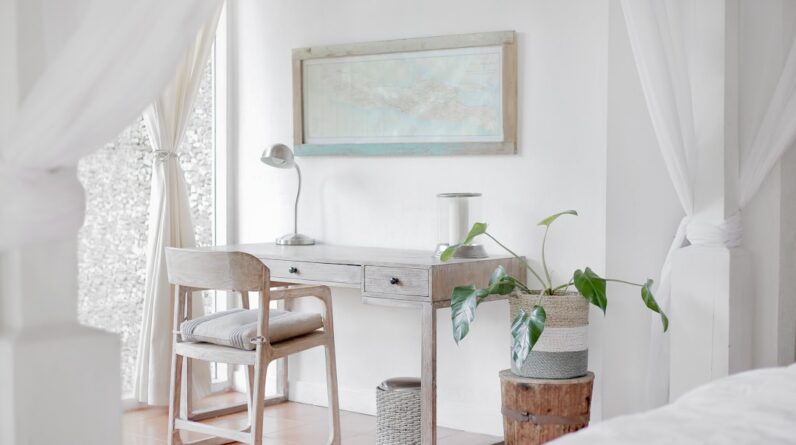
Imagine a living room that effortlessly transforms into a workspace during the day and a cozy entertainment area at night. This versatility allows you to maximize your space while catering to your lifestyle needs. As you navigate through your daily routines, the design of your home can enhance your productivity and relaxation, making it an essential aspect of modern living.
The rise of multifunctional spaces is not just about aesthetics; it’s about creating environments that support your dynamic life.
Key Takeaways
- Multifunctional spaces in interior design are on the rise, as people seek to maximize the use of their living areas.
- Designing a multifunctional room involves careful planning and consideration of the activities that will take place in the space.
- Furniture and storage solutions play a crucial role in creating a functional and organized multifunctional space.
- Creating a seamless transition between different functions in a multifunctional space requires thoughtful layout and design choices.
- Incorporating technology can enhance the functionality and versatility of a multifunctional space, making it more efficient and enjoyable to use.
Maximizing Space: How to Design a Multifunctional Room
When it comes to designing a multifunctional room, the key is to prioritize flexibility and efficiency. Start by assessing the primary functions you want the space to serve. For instance, if you envision a room that functions as both a home office and a guest bedroom, consider how you can integrate elements that cater to both needs.
You might opt for a fold-out desk that can be tucked away when not in use or a Murphy bed that provides sleeping space without dominating the room. By carefully selecting furniture and layout, you can create a harmonious environment that adapts to your requirements. Another important aspect of maximizing space is the use of zoning techniques.
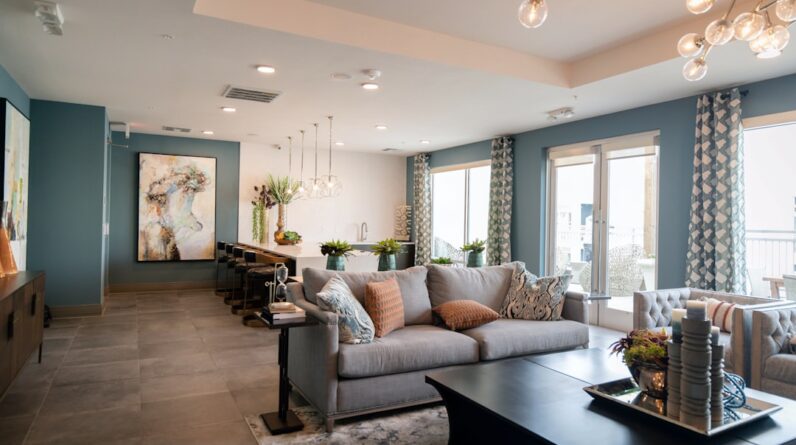
You can visually separate different areas within a single room by using rugs, lighting, or furniture arrangement. For example, placing a stylish area rug under your workspace can delineate it from the rest of the room, creating a sense of purpose for each section. Additionally, consider incorporating movable partitions or curtains that allow you to create privacy when needed.
This approach not only enhances functionality but also adds an element of design flair to your space.
Furniture and Storage Solutions for Multifunctional Spaces

Selecting the right furniture is crucial when designing multifunctional spaces. You should look for pieces that offer versatility and can easily adapt to various uses. For instance, a coffee table with built-in storage can serve as both a surface for drinks and a place to stow away magazines or remote controls.
Similarly, ottomans that double as seating and storage can provide extra functionality without cluttering your space. When choosing furniture, prioritize items that are lightweight and easy to move, allowing you to rearrange your layout as needed. Storage solutions play an equally important role in maintaining an organized multifunctional space.
You may want to consider vertical storage options such as shelves or wall-mounted cabinets that draw the eye upward, creating an illusion of more space. Utilizing under-bed storage or multi-tiered carts can also help you keep items accessible yet out of sight. By incorporating clever storage solutions, you can ensure that your multifunctional room remains tidy and efficient, allowing you to focus on enjoying the various activities it accommodates.
Creating a Seamless Transition Between Functions in a Multifunctional Space
One of the challenges of designing a multifunctional space is ensuring a seamless transition between its various functions. You want to create an environment where switching from one activity to another feels effortless rather than jarring. To achieve this, consider using cohesive design elements such as color schemes, materials, and textures that unify the different areas within the room.
For example, if your space serves as both a dining area and a workspace, using similar tableware and decor can create visual harmony. Lighting also plays a pivotal role in facilitating transitions between functions. You might want to incorporate adjustable lighting options that allow you to change the ambiance based on the activity at hand.
Soft, warm lighting can create a cozy atmosphere for relaxation, while brighter task lighting is ideal for focused work sessions. By thoughtfully considering how each function interacts with one another, you can create a fluid environment that enhances your overall experience within the space.
Incorporating Technology in Multifunctional Design
In today’s digital age, technology is an integral part of our lives, and incorporating it into multifunctional design can significantly enhance functionality. Smart home devices can streamline your daily routines by allowing you to control lighting, temperature, and even entertainment systems with ease. For instance, you might install smart lighting that adjusts based on the time of day or your specific activities, creating an optimal environment for work or relaxation.
Additionally, consider integrating charging stations and cable management solutions into your design. With multiple devices vying for power outlets, having designated charging areas can help keep your space organized and clutter-free. You may also want to explore furniture with built-in technology features, such as desks with wireless charging pads or sofas equipped with USB ports.
By embracing technology in your multifunctional space, you can create an environment that is not only stylish but also highly functional.
The Benefits of Multifunctional Spaces in Interior Design

The benefits of multifunctional spaces extend beyond mere aesthetics; they offer practical solutions for modern living. One of the most significant advantages is the ability to maximize limited square footage. In urban environments where space is at a premium, having rooms that serve multiple purposes allows you to make the most of what you have.
This efficiency can lead to cost savings as well since you may not need to invest in additional square footage or separate rooms for different activities. Moreover, multifunctional spaces promote a more dynamic lifestyle by encouraging flexibility and adaptability. You may find that having a room that easily transitions from work to leisure enhances your overall well-being.
The ability to shift gears seamlessly can reduce stress and improve productivity, allowing you to enjoy both work and relaxation without feeling confined by rigid spaces. Ultimately, embracing multifunctional design can lead to a more fulfilling living experience.
Case Studies: Successful Examples of Multifunctional Spaces
Examining successful case studies can provide valuable insights into effective multifunctional design. One notable example is the transformation of small apartments in major cities like New York or Tokyo, where designers have creatively utilized every inch of space. In these homes, you might find innovative solutions such as sliding walls that reveal hidden beds or foldable dining tables that expand when entertaining guests but tuck away when not in use.
Another inspiring case study involves co-working spaces that have embraced multifunctionality by incorporating areas for collaboration, relaxation, and focused work all within one environment. These spaces often feature movable furniture and adaptable layouts that cater to various group sizes and activities. By observing these successful implementations of multifunctional design, you can glean ideas and inspiration for your own home.
Tips for Incorporating Multifunctional Design in Your Home
As you embark on your journey to incorporate multifunctional design into your home, there are several tips to keep in mind. First and foremost, assess your lifestyle needs and identify which functions are most important to you. This will guide your design choices and help you prioritize what elements are essential for your space.
Next, don’t shy away from creativity when selecting furniture and decor. Look for unique pieces that offer dual functionality while reflecting your personal style. Additionally, consider investing in high-quality items that will stand the test of time; durability is key when it comes to multifunctional spaces.
Lastly, remember that organization is paramount in maintaining a functional environment. Regularly declutter and reassess your storage solutions to ensure they meet your evolving needs. By following these tips and embracing the principles of multifunctional design, you can create a home that is not only beautiful but also perfectly tailored to your lifestyle.
FAQs
What is interior design multifunctional spaces?
Interior design multifunctional spaces refer to the concept of designing a space to serve multiple purposes, maximizing the use of the available area.
What are the benefits of multifunctional spaces in interior design?
Multifunctional spaces in interior design offer flexibility, efficiency, and practicality. They can make the most of limited space, promote organization, and cater to various needs within a single area.
How can multifunctional spaces be incorporated into interior design?
Multifunctional spaces can be incorporated into interior design through the use of versatile furniture, creative storage solutions, and adaptable layouts. Designers can also utilize zoning techniques to delineate different areas within a space.
What are some examples of multifunctional spaces in interior design?
Examples of multifunctional spaces in interior design include a living room that doubles as a guest bedroom, a home office that also serves as a library, or a kitchen island that functions as a dining table.
What are some considerations when designing multifunctional spaces?
When designing multifunctional spaces, it is important to consider the specific needs and activities that the space will accommodate. Additionally, factors such as flow, lighting, and storage should be carefully planned to ensure functionality and aesthetic appeal.