


In today’s world, the importance of sustainable and eco-friendly design cannot be overstated. As you navigate through your design choices, consider how your decisions impact the environment. Sustainable design focuses on creating spaces that minimize waste, reduce energy consumption, and utilize renewable resources.
By opting for materials that are sourced responsibly, you not only contribute to a healthier planet but also create a home that reflects your values. Think about using reclaimed wood, recycled metals, or low-VOC paints that enhance indoor air quality while being gentle on the environment. Moreover, integrating energy-efficient appliances and fixtures into your home can significantly reduce your carbon footprint.
You might explore solar panels, energy-efficient windows, and smart thermostats that optimize energy use. These choices not only save you money in the long run but also promote a lifestyle that prioritizes sustainability. As you design your space, remember that eco-friendly design is not just a trend; it’s a commitment to a better future for generations to come.
Key Takeaways
- Sustainable and eco-friendly design focuses on using renewable materials and energy-efficient systems to reduce environmental impact.
- Minimalism and simplicity in design emphasize clean lines, clutter-free spaces, and a focus on essential elements.
- Biophilic design incorporates natural elements such as plants, natural light, and water features to create a connection to the outdoors.
- Smart home technology integration allows for the control of lighting, temperature, and security systems for increased convenience and energy efficiency.
- Statement lighting and unique fixtures add visual interest and personality to a space, serving as focal points in the design.
Minimalism and Simplicity
The Power of Quality Over Quantity
By prioritizing quality over quantity, you can invest in timeless pieces that enhance your space without overwhelming it. Incorporating minimalism also means embracing clean lines and neutral color palettes. You might find that a simple, uncluttered aesthetic promotes mental clarity and reduces stress.
Curating a Harmonious Space
As you curate your space, consider how each item contributes to the overall harmony of your home. By stripping away the unnecessary, you allow the beauty of simplicity to shine through, creating an atmosphere that is both calming and functional.
The Benefits of a Minimalist Home
By embracing minimalism, you can create a space that not only looks beautiful but also promotes a sense of calm and clarity. A minimalist home can be a haven from the stresses of everyday life, providing a peaceful retreat that nourishes both body and mind.
Biophilic Design and Natural Elements
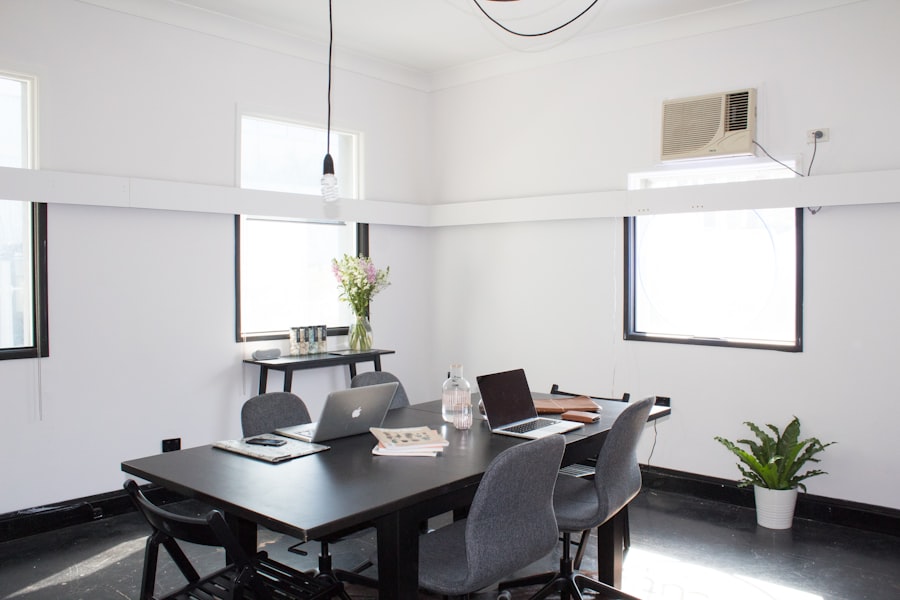
Biophilic design is an innovative approach that seeks to connect you with nature within your living spaces. By incorporating natural elements into your home, you can enhance your well-being and create a more harmonious environment. Consider adding indoor plants, natural light sources, and organic materials like stone or wood to bring the outdoors inside.
This connection to nature not only improves air quality but also fosters a sense of tranquility and balance in your daily life. You might also explore design features that mimic natural forms or patterns. Curved furniture, water features, or even wall art inspired by nature can evoke feelings of calmness and serenity.
As you integrate biophilic elements into your home, pay attention to how they influence your mood and overall sense of well-being. By creating a space that reflects the beauty of the natural world, you cultivate an environment that nurtures both body and mind.
Smart Home Technology Integration
Incorporating smart home technology into your design can significantly enhance your living experience. As you embrace this modern approach, consider how technology can streamline daily tasks and improve your overall quality of life. Smart devices such as thermostats, lighting systems, and security cameras allow you to control various aspects of your home with ease.
Imagine adjusting the temperature or lighting from your smartphone while you’re away, ensuring that your home is always comfortable and secure. Moreover, smart home technology can contribute to energy efficiency by optimizing usage patterns. You might explore options like smart plugs or energy monitoring systems that help you track consumption and reduce waste.
As you integrate these technologies into your design, think about how they can simplify your routines and enhance convenience. By embracing innovation in your home, you create a space that is not only functional but also aligned with the demands of modern living.
Statement Lighting and Unique Fixtures
Lighting plays a crucial role in setting the mood and enhancing the aesthetic of your space. By choosing statement lighting fixtures, you can transform an ordinary room into a captivating environment. Consider bold chandeliers, artistic pendant lights, or sculptural floor lamps that serve as focal points in your design.
These unique pieces not only illuminate your space but also reflect your personal style and taste. In addition to aesthetics, think about the functionality of your lighting choices. Layering different types of lighting—ambient, task, and accent—can create depth and warmth in your home.
You might experiment with dimmers or smart lighting systems that allow you to adjust brightness according to the time of day or activity. As you explore various lighting options, remember that the right fixtures can elevate your space while providing practical benefits.
Mixing of Textures and Materials

The interplay of textures and materials can add depth and interest to your design. As you curate your space, consider how different surfaces can complement one another while creating a dynamic visual experience. Mixing materials such as wood, metal, glass, and fabric can evoke a sense of warmth and sophistication in your home.
For instance, pairing a sleek leather sofa with a cozy knit throw creates an inviting contrast that invites relaxation. You might also explore layering textures through textiles like rugs, cushions, and curtains. These elements not only enhance comfort but also contribute to the overall aesthetic of your space.
As you experiment with various combinations, pay attention to how they interact with light and color. By thoughtfully mixing textures and materials, you create a rich sensory experience that makes your home feel both stylish and welcoming.
Bold Colors and Patterns
Incorporating bold colors and patterns into your design can infuse energy and personality into your space. If you’re looking to make a statement, consider using vibrant hues on accent walls or through decorative elements like cushions or artwork. A splash of color can transform an otherwise neutral room into a lively environment that reflects your unique style.
You might find inspiration in nature or art when selecting colors that resonate with you. Patterns also play a significant role in adding visual interest to your home. Whether it’s through wallpaper, textiles, or decorative tiles, patterns can create focal points that draw the eye and spark conversation.
As you mix colors and patterns, aim for balance; too many competing elements can overwhelm a space. Instead, choose a few key pieces that harmonize with one another while allowing for personal expression. By embracing bold colors and patterns, you create an environment that feels vibrant and alive.
Flexible and Multi-Functional Spaces
In today’s fast-paced world, flexibility in design is essential for adapting to various needs and lifestyles. As you consider how to maximize your living space, think about incorporating multi-functional furniture that serves more than one purpose. For example, a sofa bed can accommodate guests while maintaining a stylish appearance during the day.
Similarly, modular furniture allows for easy reconfiguration based on changing needs or activities. Creating flexible spaces also involves thoughtful zoning within open floor plans. You might use area rugs or furniture arrangements to define different areas for work, relaxation, or dining without the need for physical barriers.
This approach not only enhances functionality but also fosters a sense of flow throughout your home. By prioritizing flexibility in your design choices, you ensure that your space remains adaptable to life’s ever-changing demands while still feeling cohesive and inviting.
FAQs
What are the current trends in contemporary interior design?
Contemporary interior design trends include the use of natural materials, sustainable and eco-friendly design, minimalism, bold and vibrant colors, mixed textures, and the incorporation of technology into design elements.
How are natural materials being used in contemporary interior design?
Natural materials such as wood, stone, and metal are being used in contemporary interior design to bring a sense of warmth and authenticity to spaces. These materials are often left in their natural state or minimally processed to showcase their inherent beauty.
What is sustainable and eco-friendly design in contemporary interior design?
Sustainable and eco-friendly design in contemporary interior design focuses on using materials and products that have minimal impact on the environment. This includes using recycled and upcycled materials, energy-efficient lighting and appliances, and incorporating sustainable practices into the design process.
How is minimalism incorporated into contemporary interior design?
Minimalism in contemporary interior design involves the use of clean lines, simple forms, and a focus on functionality. Spaces are often uncluttered and free of unnecessary ornamentation, creating a sense of calm and tranquility.
What role do bold and vibrant colors play in contemporary interior design?
Bold and vibrant colors are being used in contemporary interior design to add personality and energy to spaces. These colors are often used as accents or focal points to create visual interest and impact.
How are mixed textures being incorporated into contemporary interior design?
Mixed textures, such as combining smooth and rough surfaces or incorporating a variety of tactile materials, are being used in contemporary interior design to add depth and visual richness to spaces. This creates a dynamic and inviting environment.
How is technology being integrated into contemporary interior design?
Technology is being integrated into contemporary interior design through the use of smart home systems, automated lighting and climate control, and the incorporation of tech-savvy furniture and accessories. This allows for greater convenience and customization in the modern home.


