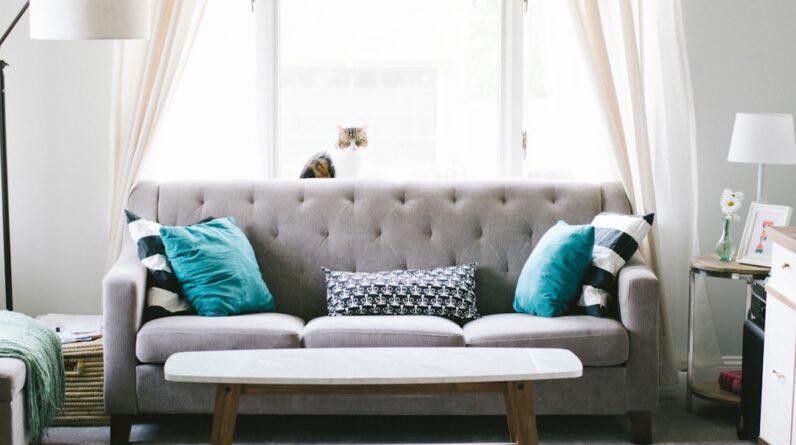
As you delve into the world of home design, it becomes increasingly clear that the relationship between indoor and outdoor spaces is not merely a matter of aesthetics; it is a fundamental aspect of how you experience your living environment. The boundaries that once separated these two realms are becoming more fluid, allowing for a harmonious blend that enhances your overall quality of life. You may find that by understanding this relationship, you can create spaces that not only look beautiful but also feel connected and inviting.
The interplay between indoor and outdoor areas can significantly influence your mood and well-being. When you open your home to the outside world, you invite natural light, fresh air, and the soothing sounds of nature into your daily life. This connection can foster a sense of tranquility and relaxation, making your home a sanctuary.
By recognizing the importance of this relationship, you can begin to envision how to design spaces that encourage movement between indoors and outdoors, ultimately enriching your living experience.
Key Takeaways
- Indoor and outdoor spaces are interconnected and should be designed to complement each other.
- Seamless transitions between indoor and outdoor areas create a cohesive and harmonious living environment.
- Embracing natural elements and sustainable materials adds a sense of tranquility and eco-friendliness to the space.
- A cohesive color palette and design aesthetic tie indoor and outdoor areas together for a unified look.
- Outdoor furniture and accessories should be both functional and visually appealing to enhance the overall outdoor living experience.
Incorporating Seamless Transitions Between Indoor and Outdoor Areas
To create a truly integrated living space, you must focus on seamless transitions between indoor and outdoor areas. This can be achieved through various design elements that encourage fluid movement. For instance, consider using large sliding glass doors or bi-fold doors that open up to your patio or garden.
These features not only provide stunning views but also allow for easy access, blurring the lines between your indoor sanctuary and the natural world outside. Another effective way to enhance these transitions is by using similar flooring materials in both spaces. By extending hardwood or tile flooring from your living room to your outdoor deck, you create a visual continuity that invites you to step outside.
Additionally, incorporating elements like outdoor rugs or furniture that mirrors your indoor decor can further enhance this seamless flow. As you design your home, think about how each space interacts with the other, ensuring that every transition feels intentional and inviting.
Embracing Natural Elements and Sustainable Materials
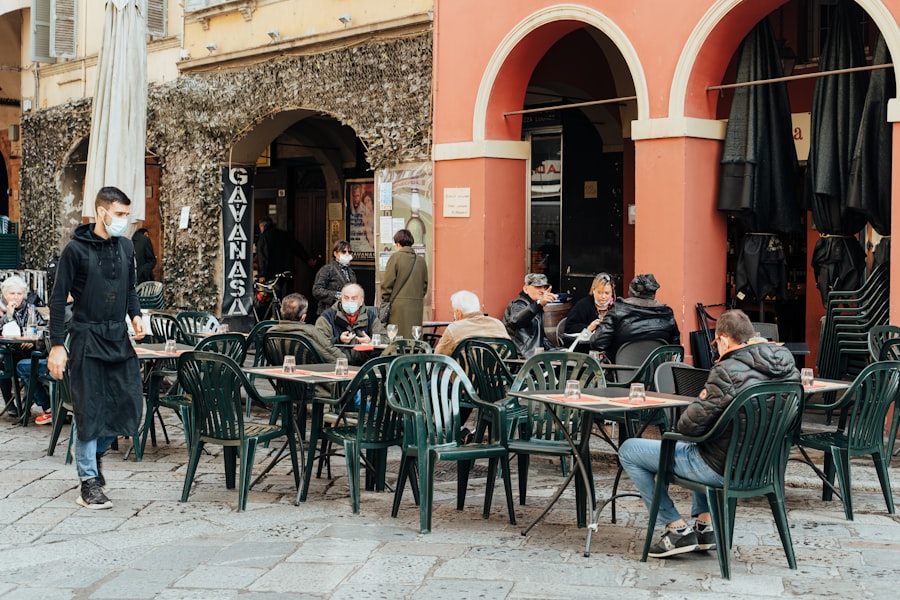
Incorporating natural elements and sustainable materials into your design not only enhances the aesthetic appeal of your home but also promotes environmental responsibility. You might consider using reclaimed wood for furniture or flooring, which adds character while reducing waste. Natural stone, bamboo, and organic textiles are also excellent choices that bring warmth and texture to both indoor and outdoor spaces.
By embracing these materials, you create an environment that feels grounded in nature. Imagine lounging on a sustainably sourced teak chair while surrounded by lush greenery; the experience is both calming and invigorating. Furthermore, using eco-friendly materials can contribute to a healthier living space by minimizing harmful chemicals often found in synthetic products.
As you explore design options, prioritize materials that reflect your commitment to sustainability while enhancing the beauty of your home.
Creating a Cohesive Color Palette and Design Aesthetic
A cohesive color palette is essential for unifying your indoor and outdoor spaces. When selecting colors, consider how they will interact with one another to create a harmonious flow throughout your home. You might choose earthy tones inspired by nature—such as greens, browns, and soft blues—that evoke a sense of calm and connection to the outdoors.
These colors can be incorporated into both your interior walls and outdoor furnishings, creating a seamless visual experience. In addition to color, think about the overall design aesthetic you wish to achieve. Whether you prefer a modern minimalist look or a more rustic charm, maintaining consistency in style will help tie your spaces together.
For example, if you opt for sleek lines and contemporary furniture indoors, consider extending that aesthetic to your outdoor area with similarly styled pieces. By thoughtfully curating your color palette and design elements, you can create an inviting atmosphere that encourages relaxation and enjoyment in both realms.
Balancing Functionality and Aesthetics in Outdoor Furniture and Accessories
When it comes to outdoor furniture and accessories, striking a balance between functionality and aesthetics is crucial. You want pieces that not only look good but also serve a purpose in enhancing your outdoor living experience. For instance, consider investing in weather-resistant furniture that combines style with durability.
This way, you can enjoy beautiful seating arrangements without worrying about wear and tear from the elements. Additionally, think about how accessories can elevate your outdoor space while remaining practical. Decorative cushions can add comfort and color to your seating area, while stylish storage solutions can keep your space organized without sacrificing design.
As you select furniture and accessories, prioritize items that reflect your personal style while also being functional for everyday use. This balance will ensure that your outdoor area is both visually appealing and practical for entertaining or relaxing.
Utilizing Lighting to Enhance the Outdoor Living Experience
Lighting plays a pivotal role in transforming your outdoor space into an inviting haven after sunset. By strategically incorporating various lighting options, you can create an atmosphere that enhances the beauty of your surroundings while providing safety and functionality. Consider using soft ambient lighting to illuminate pathways or highlight key features in your garden.
String lights or lanterns can add a whimsical touch, making evenings spent outdoors feel magical. In addition to ambient lighting, task lighting is essential for areas where activities take place, such as dining or cooking spaces. Installing pendant lights over an outdoor dining table or using spotlights to accentuate landscaping features can enhance both usability and aesthetics.
As you plan your outdoor lighting scheme, think about how different types of lighting can work together to create layers of illumination that invite you to enjoy your outdoor space long after the sun goes down.
Incorporating Greenery and Landscaping to Connect Indoor and Outdoor Spaces
Integrating greenery and landscaping into your design is one of the most effective ways to connect indoor and outdoor spaces. Plants not only enhance the visual appeal of your home but also improve air quality and create a sense of tranquility. You might consider using large potted plants indoors that mirror those in your outdoor garden, creating a cohesive look that draws the eye from one space to another.
Landscaping plays a vital role in this connection as well. Thoughtfully designed gardens with pathways leading from your home can encourage exploration and interaction with nature. You may choose to incorporate native plants that thrive in your climate, ensuring low maintenance while supporting local ecosystems.
By blending greenery into both indoor and outdoor areas, you create an inviting atmosphere that fosters relaxation and connection with nature.
Considering Privacy and Comfort in the Design of the Outdoor Living Area
While creating beautiful indoor-outdoor connections is essential, it’s equally important to consider privacy and comfort in your outdoor living area. You want a space where you can unwind without feeling exposed to neighbors or passersby. Incorporating elements such as trellises adorned with climbing plants or strategically placed screens can provide the necessary seclusion while still allowing light and air to flow through.
Comfort is another key factor in designing an inviting outdoor space. Think about incorporating soft seating options with plenty of cushions or even an outdoor rug to define the area and add warmth underfoot. Additionally, consider adding features like shade structures or umbrellas to protect against harsh sunlight during hot days.
By prioritizing privacy and comfort in your outdoor design, you create a sanctuary where you can truly relax and enjoy the beauty of nature without distractions. In conclusion, as you embark on the journey of designing spaces that seamlessly connect indoor and outdoor areas, remember that each element plays a vital role in creating an inviting atmosphere. From understanding the relationship between these spaces to incorporating natural materials and thoughtful design choices, every decision contributes to an overall experience that enhances your quality of life.
Embrace this opportunity to create a harmonious environment where you can enjoy the best of both worlds—comfort indoors and the beauty of nature just outside your door.
FAQs
What are the key design principles for creating a contemporary outdoor living area?
The key design principles for creating a contemporary outdoor living area include considering the overall style and aesthetic of the interior, creating a seamless transition between indoor and outdoor spaces, incorporating comfortable and functional furniture, utilizing lighting and landscaping to enhance the space, and incorporating sustainable and low-maintenance materials.
How can the outdoor living area complement the interior design?
The outdoor living area can complement the interior design by using similar color palettes, materials, and design elements to create a cohesive look. Additionally, incorporating similar furniture styles and accessories can help to create a seamless transition between indoor and outdoor spaces.
What are some important considerations for furniture and accessories in a contemporary outdoor living area?
Important considerations for furniture and accessories in a contemporary outdoor living area include choosing durable and weather-resistant materials, selecting comfortable and functional pieces that encourage relaxation and socializing, and incorporating accessories that add personality and style to the space.
How can lighting and landscaping enhance the contemporary outdoor living area?
Lighting and landscaping can enhance the contemporary outdoor living area by creating ambiance, highlighting key features of the space, and providing functionality for evening and nighttime use. Incorporating a variety of lighting options and carefully planned landscaping can help to create a visually appealing and inviting outdoor environment.
What role do sustainable and low-maintenance materials play in creating a contemporary outdoor living area?
Sustainable and low-maintenance materials play a crucial role in creating a contemporary outdoor living area by promoting environmental responsibility and reducing the need for ongoing maintenance. Utilizing materials such as recycled wood, composite decking, and drought-resistant plants can help to create a sustainable and low-maintenance outdoor space.