


Are you looking to transform your living space into a stylish and functional haven? Look no further than our top-notch Interior Design Service in Austin, Texas. With a keen eye for aesthetics and a passion for creating beautiful spaces, our team of talented designers is dedicated to bringing your design dreams to life. From choosing the perfect color palette to sourcing the finest furnishings, we are here to guide you every step of the way. Let us help you turn your house into a home that reflects your personal style and creates a lasting impression.
Overview of Interior Design
What is Interior Design?
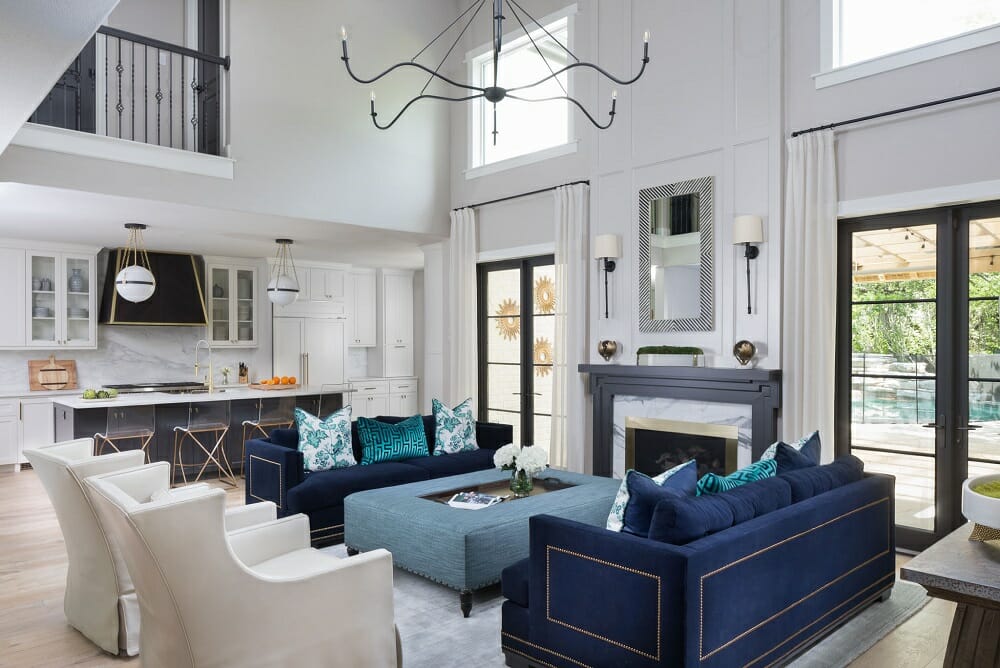
Interior design is the art and science of enhancing the interior space of a building to create a visually pleasing and functional environment. It involves designing and arranging furniture, color schemes, lighting, and other elements to transform a space into a comfortable and attractive area. Interior designers utilize their expertise and creative vision to bring harmony and balance to a room, while also considering the individual needs and preferences of the client.
Why is Interior Design Important?
Interior design plays a crucial role in our daily lives. It not only beautifies our living spaces but also has a significant impact on our mood, productivity, and overall well-being. A well-designed interior can enhance the functionality of a room, optimize the use of space, and create a sense of harmony and tranquility. Moreover, interior design reflects our personality and taste, making our homes truly unique and personalized.
Finding an Interior Designer in Austin
Researching Local Interior Designers
When it comes to finding an interior designer in Austin, it is essential to conduct thorough research to ensure you find the right professional for your project. Start by seeking recommendations from friends, family, or colleagues who have worked with interior designers in the area. Additionally, you can explore online directories and websites that showcase the portfolios of local designers. Take your time to review their previous projects and see if their style aligns with your vision for your space.
Setting Budget and Goals
Before hiring an interior designer, it is crucial to establish a budget and define your goals for the project. Determine how much you are willing to invest in the design process, including materials, furnishings, and the designer’s fees. This will help you narrow down your options and ensure you choose a designer who can work within your financial constraints. Furthermore, clearly communicate your expectations and objectives for the project, allowing the designer to understand your vision and deliver accordingly.
Reading Reviews and Portfolios
Once you have shortlisted a few interior designers in Austin, take the time to read reviews and testimonials from their previous clients. This will give you valuable insights into their professionalism, communication skills, and the overall satisfaction of their clients. Additionally, thoroughly examine their portfolios to gauge the breadth and quality of their work. Look for versatility in their designs to ensure they can handle different styles and preferences. By doing your research, you can ensure that you choose an experienced and reputable interior designer who meets your expectations.
Understanding the Process
Initial Consultation
After selecting an interior designer, the first step in the design process is usually an initial consultation. During this meeting, you will have the opportunity to discuss your ideas, preferences, and requirements for the project. This is an excellent time to share inspiration images, floor plans, or any other relevant information that will help the designer understand your vision. The designer will also provide inputs and suggestions based on their expertise and knowledge of design principles.
Creating a Design Plan
Following the initial consultation, the interior designer will create a design plan tailored to your specific needs and goals. This plan will outline the proposed layout, color schemes, furniture selections, and any other elements that will be incorporated into the design. The designer will collaborate with you, encouraging your feedback and making any necessary adjustments to ensure that the design plan aligns with your vision.
Selecting Materials and Furnishings
Once the design plan is finalized, the interior designer will assist you in selecting materials, finishes, and furnishings that will bring the design to life. They will have access to a wide range of resources and suppliers, making it easier for you to find the perfect materials and pieces for your space. The designer will provide guidance on quality, durability, and aesthetics, ensuring that every choice contributes to the overall cohesiveness of the design.
Project Management and Execution
Once all the elements of the design have been decided upon, the interior designer will oversee the project’s execution. This involves coordinating with vendors, contractors, and other professionals involved in the construction or renovation process. The designer will ensure that the design is implemented according to the plan, address any issues that may arise, and make on-site visits to monitor progress. By managing the project, the interior designer ensures that the final result aligns with your vision and meets the highest standards of quality.
Interior Design Styles
Modern
The modern interior design style is characterized by clean lines, minimalism, and a focus on functionality. It embraces simplicity and often incorporates neutral colors, sleek furniture, and open spaces. Modern design aims to create a sense of calm and order through the use of minimal ornamentation and clutter-free living areas.
Contemporary
Contemporary design refers to the styles and trends that are currently popular and reflect the present time. It is dynamic and ever-evolving, combining elements of various design styles while staying true to the ethos of the modern era. Contemporary interiors often feature bold colors, unconventional materials, and innovative designs that reflect the homeowner’s individuality and creativity.
Traditional
Traditional interior design draws inspiration from classic European styles and embraces elegance, symmetry, and rich colors. It incorporates ornate furniture, intricate details, and timeless patterns. Traditional interiors exude warmth and a sense of history, evoking a refined and sophisticated ambiance.
Rustic
Rustic design is characterized by a natural and cozy feel, often inspired by the rugged beauty of the countryside. It embraces organic materials such as wood, stone, and natural fibers. Rustic interiors often feature warm earth tones, vintage furniture, and handmade accents, creating a welcoming and charming atmosphere.
Minimalist
Minimalism is a design style that focuses on simplicity, functionality, and eliminating any unnecessary elements. It celebrates clean lines, open spaces, and a limited color palette. Minimalist interiors often feature sleek furniture, ample natural light, and a sense of order and tranquility.
Color Schemes and Palettes
Exploring Different Color Families
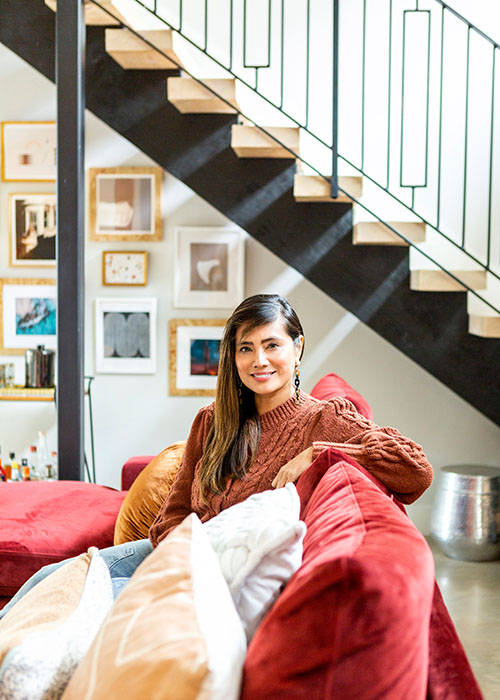
When it comes to interior design, color plays a vital role in setting the mood and creating visual interest. There are various color families to consider, including warm tones (such as reds, oranges, and yellows), cool tones (such as blues, greens, and purples), and neutrals (such as whites, grays, and beiges). Each color family has its unique effects and can be used to evoke different emotions and create different atmospheres within a space.
Creating a Harmonious Color Scheme
When selecting a color scheme for your interior design, it is essential to create a harmonious combination that balances different hues and tones. Consider the overall mood you want to achieve and the purpose of the space. For example, warm colors can create a cozy and intimate atmosphere in a living room, while cool colors can promote calmness and relaxation in a bedroom. Explore different color combinations and experiment with contrasting or complementary colors to find the perfect scheme for your space.
Using Accent Colors
Accent colors are an excellent way to add pops of interest and create visual focal points within a room. They can be used to highlight architectural features, emphasize certain furniture pieces, or bring attention to specific areas. By carefully selecting accent colors and strategically incorporating them into the design, you can add depth and personality to your space. Experiment with bold or unexpected colors to make a statement or opt for more subtle shades to create a cohesive look.
Furniture and Layout Design
Choosing the Right Furniture Pieces
The selection of furniture plays a crucial role in creating a functional and aesthetically pleasing interior design. When choosing furniture pieces, consider the scale, proportion, and style that would best suit your space. Opt for pieces that are not only visually appealing but also comfortable and practical. Be mindful of the materials and finishes, ensuring that they are durable and suitable for your lifestyle. By selecting the right furniture, you can create a cohesive and harmonious look while maximizing the functionality of your space.
Optimizing Space and Traffic Flow
An essential aspect of interior design is optimizing the use of space and ensuring efficient traffic flow within a room. Consider the purpose of each area and how people will move through the space. Arrange furniture in a way that allows for easy movement and facilitates conversations or interactions. Consider the placement of doors, windows, and other architectural features when determining the layout. By carefully planning the flow of your space, you can create a functional and comfortable environment.
Placement and Arrangement Techniques
The placement and arrangement of furniture can significantly affect the overall look and feel of a room. Consider the focal point of the space and arrange furniture around it, ensuring that it is the center of attention. Use principles of balance and symmetry to create a visually pleasing arrangement. Experiment with different layouts and furniture groupings to find the most appealing and practical configuration for your space. Don’t be afraid to explore unconventional ideas and think outside the box to create a unique and inviting atmosphere.
Lighting Design
Types of Lighting
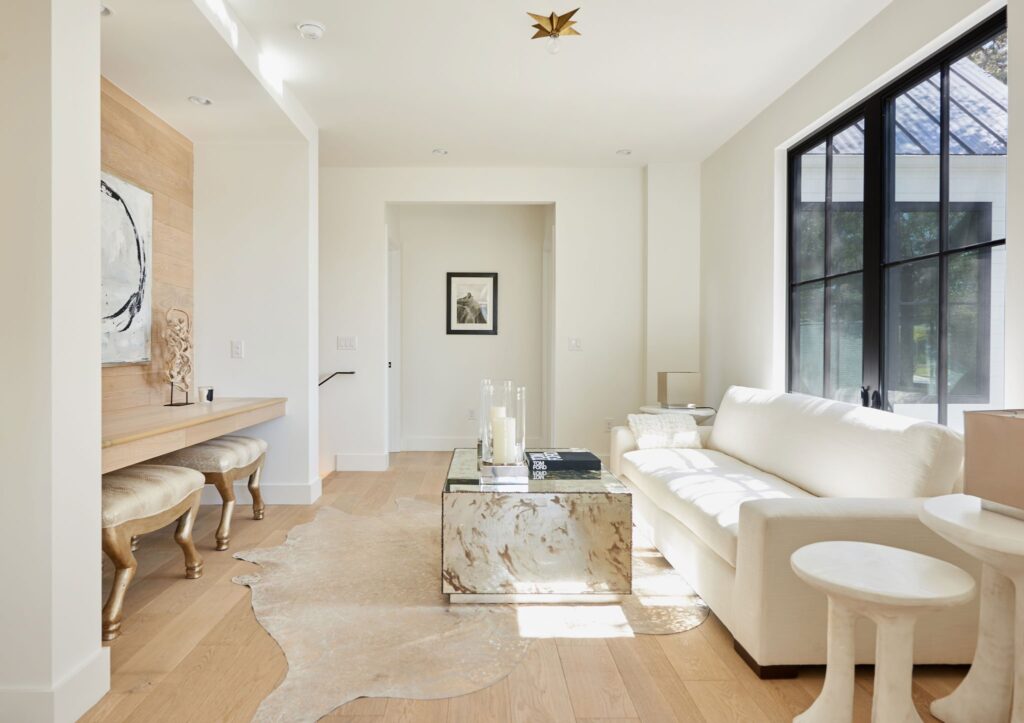
Lighting is a crucial element in interior design as it affects the mood, functionality, and aesthetics of a space. There are three main types of lighting to consider: ambient lighting, task lighting, and accent lighting. Ambient lighting provides overall illumination and sets the general mood of a room. Task lighting focuses on specific activities, such as reading or cooking, providing direct and bright light in the necessary areas. Accent lighting is used to highlight specific objects or architectural features, adding depth and visual interest to a space.
Layering Light in Different Spaces
To achieve a well-balanced and visually appealing lighting design, it is important to layer light in different spaces. Combine different types of lighting to create depth and dimension. For example, in a living room, you might use recessed ambient lighting to provide general illumination, while adding table lamps or floor lamps for task lighting. Additionally, consider the natural light sources in a room and utilize window treatments to control the amount of light entering the space.
Choosing Lighting Fixtures
When choosing lighting fixtures, consider the style and overall aesthetic of your interior design. Lighting fixtures come in various shapes, sizes, and materials, allowing you to find the perfect pieces that complement your design scheme. Consider the light output and color temperature of each fixture, ensuring that it aligns with the mood you want to achieve. Additionally, pay attention to the scale and proportion of the fixtures, ensuring that they are suitable for the size of the room and the height of the ceiling.
Window Treatments and Coverings
Exploring Different Window Treatment Options
Window treatments and coverings are essential in interior design as they have both functional and aesthetic benefits. There are various options to consider, including curtains, blinds, shades, and shutters. Each type of window treatment offers different levels of privacy, light control, and visual impact. Consider the style and color of the window treatments, ensuring that they complement the overall design scheme of your space. Additionally, think about the maintenance requirements and durability of each option to find the best fit for your needs.
Balancing Privacy and Natural Light
Window treatments allow you to strike a balance between privacy and the amount of natural light entering a room. Choose window coverings that allow you to control the level of privacy and light according to your preferences. For example, sheer curtains can let in soft natural light while still offering a degree of privacy, while blackout shades or curtains can completely block out light when needed. Consider the orientation of your windows and the direction of sunlight to determine the best window treatment options for each space.
Choosing Fabrics and Materials
When selecting fabrics and materials for your window treatments, consider both visual appeal and functionality. Choose fabrics that complement the overall design scheme and style of your space. Pay attention to the thickness and opacity of the materials, as this will determine the amount of light they allow to pass through. Additionally, consider the durability and ease of maintenance, especially in high-traffic areas or spaces where the window treatments may be exposed to moisture or direct sunlight.
Flooring and Wall Coverings
Types of Flooring Materials
The choice of flooring materials is a significant decision in interior design, as it can greatly impact the overall look and feel of a space. There are various options to consider, including hardwood, laminate, tile, carpet, and vinyl. Each material has its unique characteristics, advantages, and maintenance requirements. Consider factors such as durability, ease of cleaning, comfort, and aesthetic appeal when selecting flooring for different areas of your home.
Wall Covering Options
Wall coverings can add character, texture, and color to a room, transforming a plain surface into a focal point. Options for wall coverings include paint, wallpaper, textured finishes, and wall panels. Consider the style and ambiance you want to achieve when selecting wall coverings. Wallpaper, for example, can add dimension and pattern to a space, while a textured finish can create a rustic or modern look. Consider the maintenance requirements, durability, and ease of replacing wall coverings when making your decision.
Texture and Pattern Considerations
Texture and pattern in both flooring and wall coverings can greatly contribute to the overall aesthetic of a space. Consider the existing elements in a room, such as furniture, textiles, and accessories, when selecting textures and patterns. Balance bold patterns with more subdued elements to create a visually appealing and harmonious atmosphere. Similarly, consider how different textures work together, combining smooth and rough surfaces to create depth and interest. Experiment with different combinations to find the perfect balance for your space.
Accessorizing and Finishing Touches
Adding Decorative Accessories
Accessorizing is the final step in the interior design process and involves adding decorative elements that enhance the overall look and feel of a space. Accessories can include artwork, mirrors, sculptures, vases, and other decorative objects. Consider the style and mood of your interior design when choosing accessories, ensuring that they complement the overall aesthetic. Aim for a balanced arrangement, considering the scale, proportion, and visual impact of each piece.
Incorporating Artwork and Plants
Artwork and plants can add life and personality to a space, bringing in color, texture, and a sense of nature. Select artwork that speaks to you and complements the style of your interior design. Consider the scale and placement of the artwork, ensuring that it is properly displayed and becomes a focal point within a room. Additionally, consider incorporating plants into your design to bring in a sense of freshness and natural beauty. Plants not only add visual interest but also purify the air and improve the overall ambiance of a space.
Creating a Cohesive Look
To create a cohesive and well-designed interior, it is important to pay attention to the finer details and ensure that all elements work together harmoniously. Consider the color scheme, textures, and patterns used throughout the space. Aim for a balanced and visually pleasing arrangement of furniture, accessories, and artwork. Additionally, maintain consistency in style and theme to create a seamless flow from one area to another. By focusing on the finishing touches and considering every aspect of the design, you can create a space that is both visually stunning and functional.
In conclusion, interior design is a multifaceted discipline that encompasses various aspects of creating functional, visually appealing, and personalized spaces. Whether you are looking to revamp your home or create a new space from scratch, finding the right interior designer in Austin and understanding the design process is essential. From researching local designers to selecting furniture, materials, and lighting, every step plays a crucial role in creating a cohesive and well-designed interior. By exploring different styles, color schemes, and incorporating the right accessories, you can transform your space into a haven that reflects your personality and enhances your daily life.


