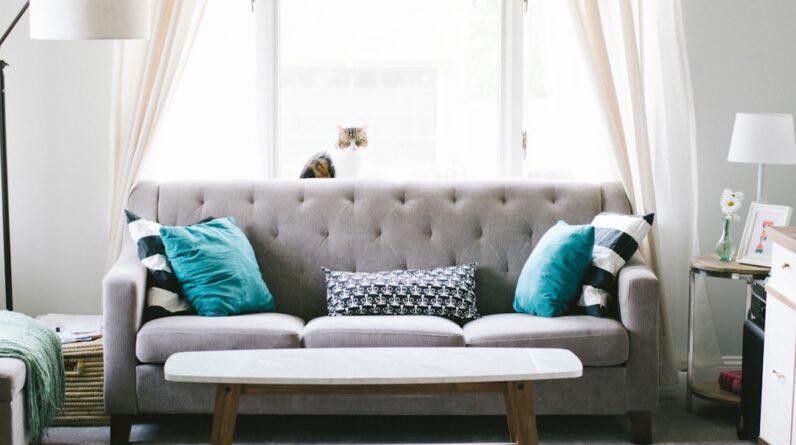
When you step into a home with an open floor plan, you immediately sense a flow that invites you to explore. The absence of walls separating the living, dining, and kitchen areas creates a sense of spaciousness that is both liberating and functional. You can easily envision gatherings with friends and family, where conversations can flow freely from one area to another.
This design choice not only enhances the aesthetic appeal of your home but also fosters a sense of connection among its inhabitants. You might find that the open layout encourages more interaction, making it easier to engage with loved ones while preparing meals or entertaining guests. Moreover, open floor plans can significantly enhance natural light within your home.
With fewer barriers to block sunlight, you can enjoy a bright and airy atmosphere that uplifts your mood. Imagine waking up in the morning to sunlight streaming through large windows, illuminating your living space and energizing your day. This design approach also allows for greater flexibility in furniture arrangement, enabling you to adapt your space to suit various occasions or personal preferences.
Whether you prefer a cozy reading nook or a vibrant social area, the open floor plan provides the canvas for you to express your style and functionality.
Key Takeaways
- Open floor plans promote a sense of spaciousness and connectivity in homes and workspaces.
- Multi-functional spaces maximize the utility of a given area, allowing for flexibility and adaptability.
- Community areas foster a sense of belonging and encourage social interaction among residents or employees.
- Outdoor living spaces provide opportunities for relaxation, recreation, and connection with nature.
- Shared resources such as communal kitchens or workspaces promote efficiency and collaboration among users.
Multi-functional Spaces
Maximizing Space
This adaptability not only maximizes the use of space but also allows you to make the most of every square foot in your home. Creating multi-functional spaces requires thoughtful design and creativity.
Designing for Versatility
You might consider incorporating furniture that serves dual purposes, such as a sofa bed or an extendable dining table. Additionally, using dividers or curtains can help delineate areas without sacrificing openness.
A Practical and Comfortable Home
By embracing this concept, you can cultivate an environment that evolves with your needs, ensuring that your home remains practical and comfortable regardless of how you choose to use it.
Community Areas
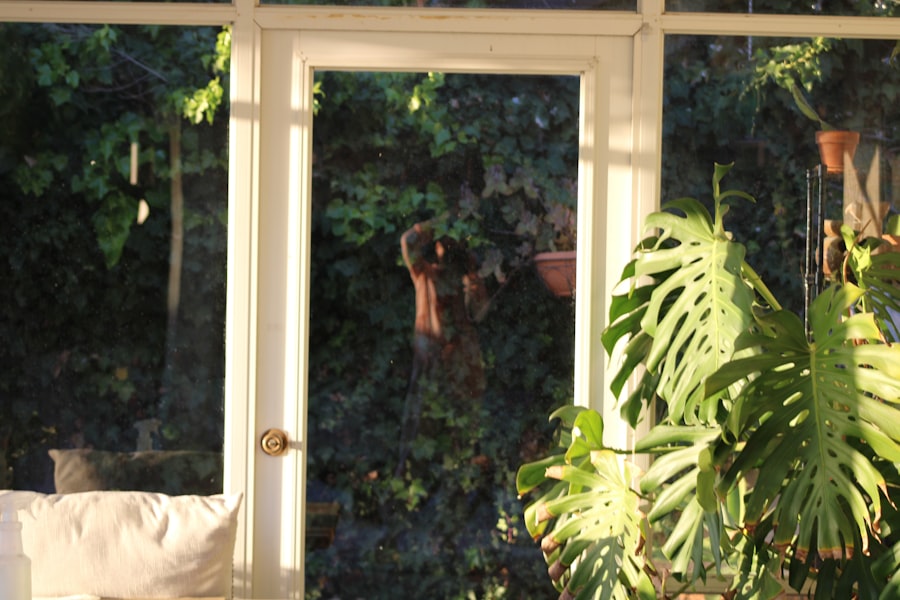
As you navigate through modern living, the importance of community areas becomes increasingly evident. These shared spaces are designed to foster connections among residents, whether in a neighborhood or within a larger residential complex. You may find that community areas serve as gathering spots for social events, recreational activities, or simply a place to unwind and meet neighbors.
The design of these spaces often emphasizes comfort and accessibility, encouraging you to engage with others and build relationships. Imagine stepping into a vibrant community lounge filled with comfortable seating, games, and communal kitchens where potlucks and celebrations take place. These areas not only enhance your living experience but also contribute to a sense of belonging.
By participating in community events or simply enjoying the shared amenities, you can forge lasting friendships and create a supportive network that enriches your life. The design of these spaces plays a crucial role in promoting interaction and collaboration among residents, making them an essential aspect of contemporary living.
Outdoor Living Spaces
The allure of outdoor living spaces cannot be overstated. As you step outside into your backyard or balcony, you are greeted by fresh air and the beauty of nature, providing an ideal setting for relaxation and recreation. Outdoor spaces have evolved beyond simple patios; they now encompass fully functional areas designed for dining, entertaining, and even gardening.
You might envision hosting summer barbecues with friends or enjoying quiet evenings under the stars, all within the comfort of your own home. Incorporating outdoor living spaces into your design not only enhances your lifestyle but also increases the value of your property. You may choose to add features such as fire pits, outdoor kitchens, or comfortable seating arrangements that encourage you to spend more time outside.
These spaces can serve as extensions of your indoor living areas, blurring the lines between inside and out. By thoughtfully designing your outdoor environment, you create a sanctuary that invites relaxation and enjoyment while allowing you to connect with nature.
Shared Resources
In an age where sustainability and efficiency are paramount, shared resources have emerged as a practical solution for modern living. You may find that sharing amenities such as laundry facilities, fitness centers, or even tools can significantly reduce costs and environmental impact. This collaborative approach not only fosters a sense of community but also encourages responsible consumption by maximizing the use of available resources.
Imagine living in a community where you have access to shared gardens, workshops, or co-working spaces that enhance your daily life without the burden of ownership. By pooling resources with neighbors or fellow residents, you can enjoy high-quality amenities while minimizing waste and reducing your carbon footprint. This model promotes a culture of sharing and cooperation, allowing you to connect with others while benefiting from shared experiences and opportunities.
Sustainable Design
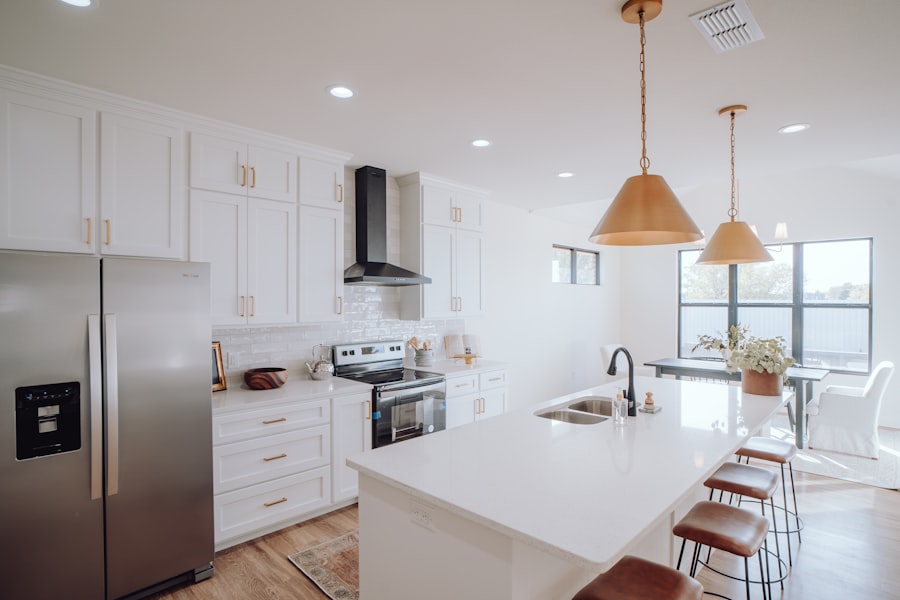
Designing for the Environment
Incorporating sustainable practices into your living space can lead to a healthier planet and a more sustainable lifestyle. Every choice, from energy-efficient appliances to eco-friendly materials, plays a significant role in reducing our environmental footprint.
Aesthetic and Functional Benefits
Features such as solar panels, rainwater harvesting systems, and green roofs not only reduce energy consumption but also enhance the aesthetic appeal of your home. By prioritizing sustainability in your design choices, you create an environment that reflects your values while promoting long-term savings on utility bills.
Improved Indoor Comfort
Sustainable design often emphasizes natural light and ventilation, contributing to improved indoor air quality and overall comfort. By incorporating these elements, you can create a healthier and more comfortable living space.
Technology Integration
In our increasingly digital world, technology integration has become a cornerstone of modern home design. As you navigate through daily life, smart home systems can enhance convenience and efficiency in ways you may not have imagined. From automated lighting and climate control to security systems that can be monitored remotely, technology allows you to manage your home with ease and precision.
Imagine being able to adjust your thermostat from your smartphone while you’re at work or receiving alerts about security breaches in real-time. These advancements not only provide peace of mind but also contribute to energy savings by optimizing usage based on your habits. As technology continues to evolve, integrating smart solutions into your home design will enable you to create an environment that is both functional and responsive to your needs.
Collaborative Design Process
The collaborative design process is essential for creating spaces that truly reflect the needs and desires of their inhabitants. As you embark on any design project—whether building a new home or renovating an existing one—engaging with architects, designers, and even community members can lead to innovative solutions that enhance functionality and aesthetics. This approach fosters open communication and encourages diverse perspectives that can enrich the final outcome.
You may find that involving various stakeholders in the design process leads to more thoughtful decisions regarding layout, materials, and overall vision. By sharing ideas and feedback throughout the journey, you create a sense of ownership over the space that ultimately results in a more satisfying living environment. The collaborative design process not only ensures that every voice is heard but also cultivates a sense of community among those involved in shaping the space.
In conclusion, as you consider the various elements that contribute to modern living—open floor plans, multi-functional spaces, community areas, outdoor living spaces, shared resources, sustainable design, technology integration, and collaborative processes—you begin to appreciate how they intertwine to create harmonious environments tailored to contemporary lifestyles. Embracing these concepts allows you to cultivate a home that is not only functional but also reflective of your values and aspirations.
FAQs
What is a contemporary home design?
A contemporary home design refers to a style of architecture and interior design that is current and reflects the trends of the present time. It often features clean lines, open floor plans, and a focus on natural light and sustainable materials.
What are the design strategies for creating a contemporary home that fosters a sense of community and social interaction among residents?
Some design strategies for creating a contemporary home that fosters a sense of community and social interaction among residents include incorporating open floor plans, communal spaces such as a shared kitchen or living area, and outdoor gathering spaces. Additionally, using natural materials and incorporating sustainable design elements can help create a sense of connection to the environment and promote a feeling of community.
How can open floor plans contribute to fostering a sense of community in a contemporary home?
Open floor plans can contribute to fostering a sense of community in a contemporary home by allowing for easy flow and interaction between different areas of the home. This design encourages communication and social interaction among residents, making it easier for people to connect and engage with one another.
What role do communal spaces play in creating a sense of community in a contemporary home?
Communal spaces, such as a shared kitchen, dining area, or living room, play a crucial role in creating a sense of community in a contemporary home. These spaces provide opportunities for residents to come together, socialize, and engage in shared activities, fostering a strong sense of connection and belonging within the community.
How can outdoor gathering spaces contribute to fostering a sense of community in a contemporary home?
Outdoor gathering spaces, such as a communal courtyard, garden, or rooftop terrace, can contribute to fostering a sense of community in a contemporary home by providing residents with opportunities to connect and socialize in a natural and relaxed setting. These spaces can encourage outdoor activities, gatherings, and events, further strengthening the sense of community within the home.