
When you embark on a project that involves historical buildings, the first and foremost consideration is preserving their integrity. Historical structures are not merely bricks and mortar; they embody stories, cultures, and the essence of the time in which they were built. As you delve into the preservation process, you must recognize the significance of maintaining the original character and craftsmanship that define these edifices.
This means paying close attention to architectural details, materials, and construction techniques that are unique to the period. By doing so, you ensure that future generations can appreciate the artistry and historical context of these buildings. Moreover, preserving historical integrity often requires extensive research.
You may find yourself sifting through archives, consulting with historians, or even engaging with local communities to gather insights about the building’s past. This knowledge is invaluable as it informs your decisions and helps you understand what aspects of the structure are most worthy of preservation. You might discover hidden gems, such as original moldings or forgotten murals, that can be restored to their former glory.
By prioritizing historical integrity, you not only honor the past but also create a foundation for a meaningful dialogue between history and contemporary life.
Key Takeaways
- Preserving historical integrity is essential for maintaining the cultural and architectural significance of a building or structure.
- Adapting to modern needs while preserving historical integrity requires thoughtful planning and design to ensure a harmonious balance.
- Incorporating sustainable design practices can help minimize the environmental impact of historical preservation and modern adaptation efforts.
- Navigating building codes and regulations is crucial for ensuring compliance while preserving historical integrity and meeting modern needs.
- Balancing preservation with innovation involves finding creative solutions that respect the historical context while meeting contemporary demands.
Adapting to Modern Needs
While preserving historical integrity is crucial, adapting these structures to meet modern needs is equally important. You may find that many historical buildings lack essential amenities that today’s occupants expect, such as updated plumbing, electrical systems, or accessibility features. As you navigate this delicate balance, your goal should be to enhance functionality without compromising the building’s character.
This often involves creative solutions that respect the original design while integrating modern conveniences. For instance, you might consider installing discreet modern fixtures that blend seamlessly with the historical aesthetic. This could mean using contemporary materials that mimic the original ones or designing new elements that complement the existing architecture.
Additionally, you may need to rethink spatial layouts to accommodate contemporary lifestyles. Open floor plans may be desirable for modern living but could clash with the traditional layouts of historical buildings. By thoughtfully reimagining spaces, you can create environments that serve current needs while still honoring the past.
Incorporating Sustainable Design
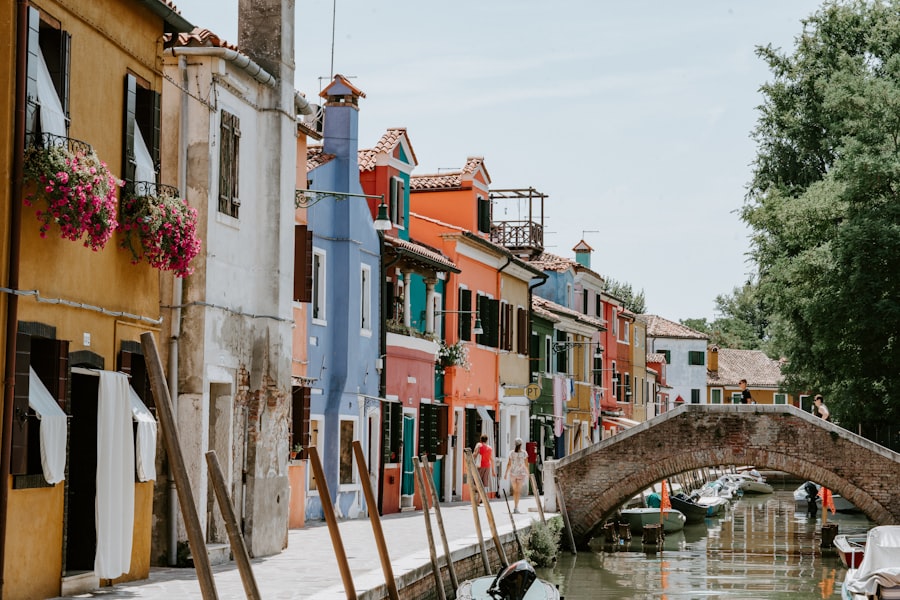
In today’s world, sustainability is a critical consideration in any building project, including those involving historical structures. As you work on these projects, you have a unique opportunity to incorporate sustainable design principles that not only enhance the building’s efficiency but also respect its historical significance. This might involve retrofitting existing systems with energy-efficient technologies or utilizing sustainable materials that align with the building’s original character.
You may also explore options for renewable energy sources, such as solar panels or geothermal heating systems. While these technologies are modern, they can be integrated in ways that do not detract from the building’s aesthetic appeal. For example, solar panels can be placed on less visible areas of the roof or designed to mimic traditional roofing materials.
By prioritizing sustainability in your preservation efforts, you contribute to a more environmentally friendly future while ensuring that historical buildings remain relevant and functional.
Navigating Building Codes and Regulations
As you embark on a preservation project, navigating building codes and regulations can be one of the most challenging aspects. Historical buildings often fall under specific guidelines that dictate how they can be modified or restored. Understanding these regulations is essential to ensure compliance while still achieving your preservation goals.
You may find yourself working closely with local authorities and preservation boards to clarify what is permissible and what is not. This process can be time-consuming and may require you to adapt your plans based on feedback from regulatory bodies. However, it also presents an opportunity for collaboration and dialogue about the importance of preserving historical structures within your community.
By engaging with these stakeholders early in the process, you can foster a sense of shared responsibility for maintaining the cultural heritage represented by these buildings. Ultimately, navigating building codes and regulations is not just about compliance; it’s about advocating for the value of preservation in a rapidly changing world.
Balancing Preservation with Innovation
Striking a balance between preservation and innovation is a delicate dance that requires careful consideration and creativity. As you work on historical buildings, you may feel the tension between maintaining authenticity and introducing new ideas that enhance functionality or appeal. The key lies in finding innovative solutions that respect the building’s heritage while also pushing boundaries to meet contemporary demands.
For example, you might explore adaptive reuse strategies that transform a historical structure into a vibrant community space or commercial hub without sacrificing its original charm. This could involve reimagining how spaces are used while retaining key architectural features that tell the building’s story. By embracing innovation within the framework of preservation, you can create dynamic environments that resonate with both history enthusiasts and modern users alike.
Addressing Structural and Material Limitations

One of the most significant challenges in preserving historical buildings is addressing structural and material limitations. Over time, many of these structures may have suffered from neglect or damage, leading to issues such as weakened foundations or deteriorating materials. As you assess these challenges, it’s crucial to approach them with a mindset focused on restoration rather than replacement.
You may need to engage skilled craftsmen who specialize in traditional building techniques to ensure that repairs are done authentically. This could involve sourcing materials that match the original ones as closely as possible or employing time-honored methods of construction. By addressing structural limitations thoughtfully, you not only preserve the building’s integrity but also contribute to a deeper understanding of historical craftsmanship.
Integrating Technology and Infrastructure
In an age where technology plays a pivotal role in our daily lives, integrating modern infrastructure into historical buildings presents both opportunities and challenges. You may find yourself considering how to incorporate advanced systems—such as smart home technology or high-speed internet—without compromising the building’s character. This requires a nuanced approach where technology enhances rather than overshadows the historical elements.
For instance, you might explore options for discreet wiring solutions or innovative HVAC systems that maintain comfort while preserving aesthetics. Additionally, consider how technology can improve accessibility for all users, ensuring that everyone can enjoy these historical spaces. By thoughtfully integrating technology into your preservation efforts, you create environments that are not only functional but also resonate with contemporary users.
Collaborating with Preservation Organizations
Finally, collaborating with preservation organizations can significantly enhance your efforts in maintaining historical buildings. These organizations often possess valuable resources, expertise, and networks that can support your project from inception to completion. By partnering with them, you gain access to a wealth of knowledge about best practices in preservation and restoration.
Moreover, these collaborations can foster community engagement and support for your project. Preservation organizations often have established relationships with local stakeholders and can help rally public interest around your efforts. This collective approach not only strengthens your project but also reinforces the importance of preserving cultural heritage within your community.
By working together with preservation organizations, you contribute to a broader movement dedicated to safeguarding history for future generations. In conclusion, preserving historical buildings is a multifaceted endeavor that requires careful consideration of various factors—from maintaining integrity and adapting to modern needs to navigating regulations and integrating technology. By embracing innovation while respecting tradition and collaborating with others in the field, you can create spaces that honor the past while serving contemporary society effectively.
Your efforts will not only preserve architectural heritage but also enrich community identity and foster appreciation for history in an ever-evolving world.
FAQs
What are the main architectural and design challenges when renovating historic properties in a contemporary style?
The main challenges include preserving the historical integrity of the property while incorporating modern design elements, meeting building codes and regulations, and addressing structural issues.
How can architects and designers balance the preservation of historical features with the incorporation of contemporary design elements?
Architects and designers can achieve this balance by carefully selecting which historical features to preserve, integrating modern materials and technologies in a way that complements the existing architecture, and respecting the original character of the property.
What are some common structural issues that arise when renovating historic properties?
Common structural issues include deteriorating foundations, outdated electrical and plumbing systems, and the need for reinforcement to meet current building codes and safety standards.
What role do building codes and regulations play in the renovation of historic properties?
Building codes and regulations must be carefully navigated to ensure that the renovation meets safety and accessibility standards while also preserving the historical significance of the property.
How can the renovation of historic properties in a contemporary style contribute to the revitalization of urban areas?
Renovating historic properties in a contemporary style can contribute to the revitalization of urban areas by attracting new residents and businesses, preserving cultural heritage, and enhancing the overall aesthetic and economic value of the neighborhood.