As you delve into the world of contemporary design, it becomes essential to grasp the principles that underpin natural ventilation. This approach emphasizes the importance of harnessing natural forces—such as wind and thermal buoyancy—to create a comfortable indoor environment. By understanding these principles, you can design spaces that not only reduce reliance on mechanical systems but also promote a healthier atmosphere.
The key lies in recognizing how air movement can be optimized through strategic architectural choices, allowing for a seamless flow of fresh air throughout your living or working spaces. In contemporary design, the focus on natural ventilation is not merely about opening windows or doors; it involves a comprehensive understanding of airflow dynamics. You must consider factors such as building orientation, local climate conditions, and the surrounding landscape.
By analyzing these elements, you can create a design that encourages cross-ventilation and minimizes stagnant air pockets. This holistic approach not only enhances comfort but also contributes to energy efficiency, making it a vital aspect of modern architectural practices.
Key Takeaways
- Understanding the principles of contemporary design for natural ventilation:
- Contemporary design emphasizes the use of natural ventilation to reduce reliance on mechanical systems and improve indoor air quality.
- Passive design strategies play a key role in optimizing air circulation and reducing energy consumption in modern architectural spaces.
- Building orientation and layout are carefully considered to maximize natural ventilation and airflow throughout the interior.
- Incorporating passive design strategies for optimal air circulation:
- Passive design strategies, such as building orientation, shading, and natural ventilation, are integrated to promote optimal air circulation.
- Utilizing passive design techniques helps reduce the need for mechanical ventilation systems and lowers energy consumption in modern buildings.
- Utilizing building orientation and layout to maximize natural ventilation:
- Building orientation and layout are strategically planned to take advantage of prevailing winds and natural airflow for effective ventilation.
- Proper building orientation and layout contribute to maximizing natural ventilation and improving indoor air quality in contemporary architectural spaces.
- Selecting appropriate materials and finishes for improved indoor air quality:
- The selection of materials and finishes is crucial for improving indoor air quality and reducing the presence of pollutants in modern architectural spaces.
- Low-VOC materials and finishes are preferred to minimize off-gassing and maintain a healthier indoor environment.
- Integrating operable windows and ventilation systems for enhanced airflow:
- The integration of operable windows and ventilation systems is essential for enhancing airflow and promoting natural ventilation in contemporary architectural designs.
- Operable windows and ventilation systems provide flexibility in controlling airflow and maintaining a comfortable indoor environment.
- Implementing greenery and biophilic design for air purification:
- Greenery and biophilic design elements are incorporated to enhance air purification and promote a healthier indoor environment in modern architectural spaces.
- Biophilic design principles, such as the use of natural elements and living green walls, contribute to air purification and overall well-being.
- Balancing natural ventilation with energy efficiency in contemporary design:
- Balancing natural ventilation with energy efficiency is a key consideration in contemporary design to optimize indoor air quality while minimizing energy consumption.
- Modern architectural spaces aim to strike a balance between natural ventilation and energy efficiency through passive design strategies and technological solutions.
- Monitoring and maintaining indoor air quality in modern architectural spaces:
- Regular monitoring and maintenance of indoor air quality are essential to ensure a healthy and comfortable environment in modern architectural spaces.
- Utilizing air quality sensors and implementing maintenance protocols help to uphold indoor air quality standards and address any potential issues promptly.
Incorporating Passive Design Strategies for Optimal Air Circulation
Facilitating Cross-Ventilation
For instance, you might consider the placement of windows and vents to facilitate cross-ventilation. By aligning openings with prevailing winds, you can create a natural airflow that cools and refreshes indoor spaces without the need for mechanical cooling systems.
The Role of Thermal Mass
Additionally, thermal mass plays a significant role in passive design. By utilizing materials that absorb and release heat, you can regulate indoor temperatures throughout the day. For example, concrete or stone walls can store heat during the day and release it at night, creating a more stable indoor climate.
Enhancing Comfort and Sustainability
This not only enhances comfort but also reduces energy consumption, allowing you to create spaces that are both inviting and sustainable.
Utilizing Building Orientation and Layout to Maximize Natural Ventilation
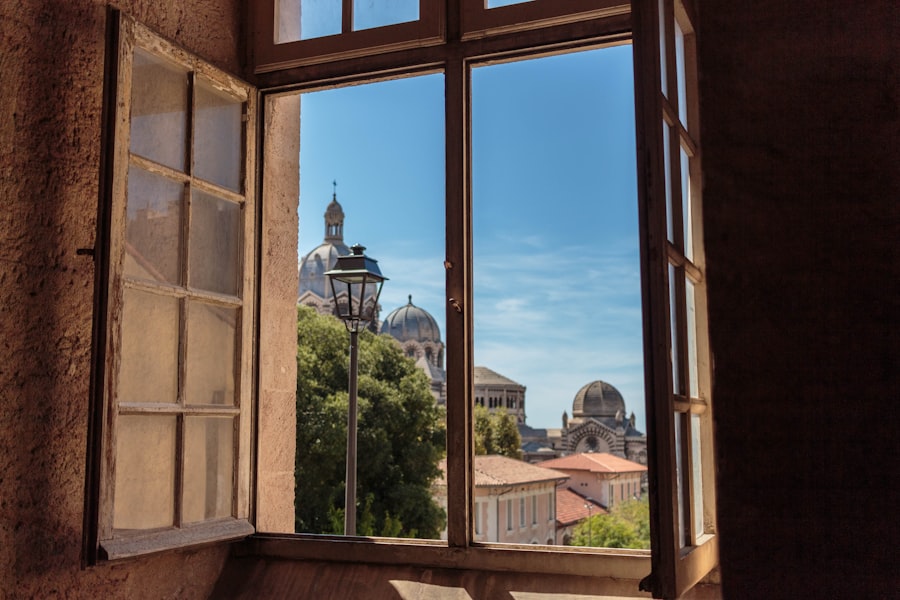
The orientation and layout of your building are pivotal in maximizing natural ventilation. When you position your structure to take advantage of prevailing winds, you can significantly enhance airflow throughout the space. For instance, aligning long facades with the direction of the wind allows for effective cross-ventilation, while strategically placed windows can capture breezes and direct them into the interior.
Moreover, the internal layout of your building should facilitate air movement. Open floor plans can promote better airflow by reducing barriers that might obstruct the natural circulation of air. You might also consider incorporating atriums or courtyards that act as central hubs for ventilation, allowing fresh air to flow freely throughout the building.
By thoughtfully considering both orientation and layout, you can create a harmonious environment that thrives on natural ventilation.
Selecting Appropriate Materials and Finishes for Improved Indoor Air Quality
The materials and finishes you choose for your building can have a profound impact on indoor air quality. Opting for low-VOC (volatile organic compounds) paints, finishes, and furnishings is essential in creating a healthier environment. These materials emit fewer harmful chemicals into the air, contributing to improved indoor air quality and overall well-being.
In addition to low-VOC options, consider incorporating natural materials such as wood, stone, and clay. These materials not only enhance aesthetic appeal but also contribute to better air quality by regulating humidity levels and reducing airborne pollutants. By selecting appropriate materials and finishes, you can create spaces that are not only visually appealing but also promote a healthier living environment.
Integrating Operable Windows and Ventilation Systems for Enhanced Airflow
Integrating operable windows into your design is a fundamental aspect of enhancing airflow within your space. These windows allow occupants to control their environment by opening or closing them as needed, providing an immediate connection to the outside air. This flexibility is particularly beneficial in climates where temperatures fluctuate throughout the day, enabling you to take advantage of cooler evening breezes or fresh morning air.
In addition to operable windows, consider incorporating advanced ventilation systems that complement natural airflow. These systems can include exhaust fans or heat recovery ventilators that work in tandem with open windows to optimize indoor air quality. By combining these elements, you create a dynamic environment where fresh air circulates freely while maintaining comfort levels throughout the year.
Implementing Greenery and Biophilic Design for Air Purification
Integrating greenery into your design not only enhances aesthetics but also plays a crucial role in air purification. Plants have been shown to improve indoor air quality by absorbing carbon dioxide and releasing oxygen. By incorporating biophilic design principles—such as living walls or indoor gardens—you can create spaces that foster a connection with nature while simultaneously improving air quality.
Moreover, certain plants are particularly effective at filtering out common indoor pollutants. For instance, spider plants, peace lilies, and snake plants are known for their air-purifying properties. By strategically placing these plants throughout your space, you can enhance both the visual appeal and the overall health of your indoor environment.
This integration of nature into your design not only promotes well-being but also aligns with contemporary trends toward sustainability.
Balancing Natural Ventilation with Energy Efficiency in Contemporary Design
While natural ventilation is essential for creating comfortable indoor environments, balancing it with energy efficiency is equally important in contemporary design. You may find yourself navigating the delicate interplay between allowing fresh air to circulate and minimizing energy loss through drafts or excessive heat gain. To achieve this balance, consider implementing energy-efficient glazing on windows that allows natural light while reducing heat transfer.
Additionally, incorporating shading devices such as overhangs or awnings can help control solar gain while still permitting airflow. These features allow you to enjoy the benefits of natural ventilation without compromising energy efficiency. By thoughtfully integrating these elements into your design, you can create spaces that are both comfortable and sustainable.
Monitoring and Maintaining Indoor Air Quality in Modern Architectural Spaces
Finally, monitoring and maintaining indoor air quality is crucial in ensuring that your contemporary designs remain healthy over time. Implementing an indoor air quality (IAQ) monitoring system can provide valuable insights into pollutant levels and humidity conditions within your space. This data allows you to make informed decisions about ventilation strategies and material choices.
Regular maintenance is also essential in preserving indoor air quality. You should establish a routine for cleaning HVAC systems, changing filters, and inspecting ventilation pathways to ensure they remain unobstructed. By prioritizing these practices, you can create an environment that not only meets contemporary design standards but also promotes long-term health and well-being for its occupants.
In conclusion, embracing contemporary design principles for natural ventilation involves a multifaceted approach that encompasses various strategies—from passive design techniques to material selection and greenery integration. By understanding these principles and implementing them thoughtfully in your projects, you can create spaces that are not only aesthetically pleasing but also promote health and sustainability in our ever-evolving architectural landscape.
FAQs
What are contemporary design principles for optimizing natural ventilation and indoor air quality?
Contemporary design principles for optimizing natural ventilation and indoor air quality focus on maximizing the use of natural ventilation, incorporating air filtration systems, and utilizing sustainable materials and building practices.
How can natural ventilation be optimized in contemporary design?
Natural ventilation can be optimized in contemporary design by strategically placing windows and vents to allow for cross-ventilation, utilizing building orientation to capture prevailing winds, and incorporating features such as atriums and courtyards to promote air flow.
What are some examples of sustainable materials and building practices for improving indoor air quality?
Examples of sustainable materials and building practices for improving indoor air quality include using low-VOC (volatile organic compound) paints and finishes, choosing natural and non-toxic building materials, and implementing proper insulation and air sealing to prevent indoor air pollutants.
How can contemporary design principles contribute to better indoor air quality?
Contemporary design principles contribute to better indoor air quality by promoting natural ventilation, incorporating air filtration systems, and utilizing sustainable materials and building practices that reduce indoor air pollutants and promote a healthier indoor environment.
What are the benefits of optimizing natural ventilation and indoor air quality in contemporary design?
The benefits of optimizing natural ventilation and indoor air quality in contemporary design include improved occupant health and comfort, reduced energy consumption for heating and cooling, and a more sustainable and environmentally friendly building design.