



The journey of vintage interior design is a fascinating tale that spans centuries, reflecting the evolution of taste, technology, and culture. You might find it intriguing to know that the term “vintage” originally referred to wine, denoting a specific year of production. Over time, it has come to encompass a broader range of items, particularly those that evoke nostalgia and charm.
The roots of vintage design can be traced back to the early 20th century when the Arts and Crafts movement emerged as a reaction against industrialization. This movement emphasized handcrafted goods and natural materials, laying the groundwork for what would later be recognized as vintage aesthetics. As you delve deeper into the history of vintage design, you will discover that each era has its unique characteristics and influences.
The 1920s brought about Art Deco, with its bold geometric patterns and luxurious materials, while the 1950s introduced Mid-Century Modern design, characterized by clean lines and organic forms. The 1960s and 70s saw a rise in eclectic styles, where vibrant colors and playful patterns became the norm. Understanding these historical contexts not only enriches your appreciation for vintage design but also provides a framework for incorporating these elements into your own space.
Key Takeaways
- Vintage interior design has a rich history that spans different eras and styles, from Victorian to Mid-Century Modern.
- Incorporating vintage elements into modern spaces can add character and charm to a room, creating a unique and eclectic look.
- Finding and restoring vintage furniture and decor requires patience and a keen eye for quality craftsmanship and design.
- Mixing vintage and contemporary styles can create a harmonious balance, adding depth and interest to a space.
- Color schemes and patterns play a key role in vintage revival design, with options ranging from bold and vibrant to soft and muted tones.
Incorporating Vintage Elements into Modern Spaces
Incorporating vintage elements into modern spaces can create a delightful juxtaposition that adds depth and character to your home. You might start by selecting a few key pieces that resonate with you—perhaps a vintage armchair or an ornate mirror. These items can serve as focal points in your room, drawing the eye and sparking conversation.
By blending these vintage treasures with contemporary furnishings, you create a harmonious balance that celebrates both eras. Another effective way to integrate vintage elements is through color and texture. Consider using a vintage rug to anchor your modern living room or layering vintage textiles, such as throw pillows or curtains, to soften the overall aesthetic.
You can also play with different materials; for instance, pairing sleek metal furniture with wooden vintage accents can create an inviting contrast. The key is to ensure that the vintage pieces complement rather than overwhelm your modern decor, allowing each element to shine in its own right.
Finding and Restoring Vintage Furniture and Decor

Finding vintage furniture and decor can be an exhilarating adventure, akin to treasure hunting. You may want to explore local thrift stores, flea markets, and estate sales, where hidden gems often await discovery. Online platforms like Etsy or eBay also offer a vast array of vintage items from various eras.
When searching for pieces, keep an open mind; sometimes, what appears to be an ordinary item can be transformed into something extraordinary with a little creativity. Once you’ve found your vintage treasures, restoring them can be a rewarding process that breathes new life into old items. Depending on the condition of your finds, restoration might involve simple cleaning or more extensive repairs like reupholstering or refinishing wood surfaces.
You might consider taking a DIY approach if you’re handy, or you could enlist the help of professionals who specialize in vintage restoration. Regardless of the method you choose, the goal is to preserve the character of the piece while ensuring it fits seamlessly into your modern lifestyle.
Mixing Vintage and Contemporary Styles
Mixing vintage and contemporary styles is an art form that allows you to express your unique personality through design. You may find it helpful to start with a neutral base for your space—think white walls or light-colored flooring—before layering in both vintage and modern elements. This approach creates a cohesive backdrop that allows your chosen pieces to stand out without clashing.
When mixing styles, consider the scale and proportion of your furniture. A large, ornate vintage dining table can be beautifully complemented by sleek, modern chairs that provide contrast without overwhelming the space. Additionally, you might experiment with different textures; pairing a plush vintage sofa with minimalist metal side tables can create an engaging visual dynamic.
Ultimately, the goal is to curate a space that feels intentional and thoughtfully designed, reflecting both your love for vintage aesthetics and contemporary sensibilities.
Color Schemes and Patterns in Vintage Revival Design
Color schemes and patterns play a crucial role in vintage revival design, as they evoke specific moods and atmospheres that transport you back in time. When selecting colors for your space, consider palettes that were popular during the era you wish to emulate. For instance, pastel hues were prevalent in the 1950s, while bold jewel tones defined the 1970s.
You might find it helpful to create mood boards that showcase various color combinations and patterns before committing to a particular scheme. Patterns are equally important in vintage revival design; they can add visual interest and depth to your space. Floral prints, geometric shapes, and paisley designs are all classic choices that can be incorporated through wallpaper, upholstery, or decorative accents.
Mixing patterns can also be effective; for example, pairing a striped rug with floral cushions can create an eclectic yet cohesive look. The key is to maintain balance—too many competing patterns can overwhelm a space, while too few may fail to capture the vibrant essence of vintage design.
Creating a Cozy and Timeless Atmosphere with Vintage Decor
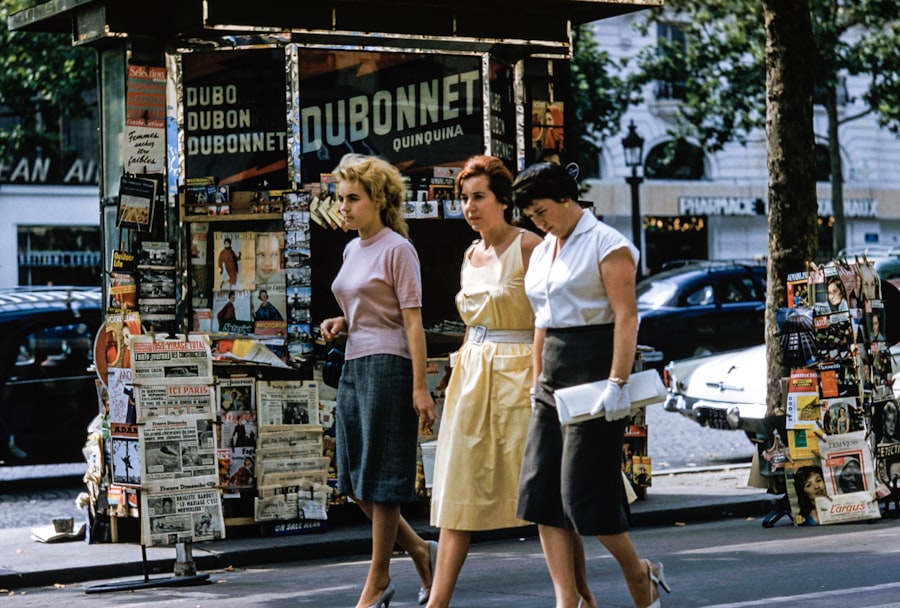
Creating a cozy and timeless atmosphere with vintage decor is all about layering textures and personal touches that evoke warmth and nostalgia. You might start by incorporating soft textiles such as knitted throws or plush cushions that invite relaxation. Vintage quilts or handmade blankets can add both comfort and character to your living spaces, making them feel lived-in and welcoming.
In addition to textiles, consider adding personal mementos or family heirlooms that tell your story. Displaying framed photographs in vintage frames or showcasing collectibles from your travels can infuse your home with personality and history. Lighting also plays a significant role in creating ambiance; consider using vintage lamps or chandeliers that cast a warm glow throughout your space.
By thoughtfully curating these elements, you can cultivate an environment that feels both cozy and timeless—a true reflection of your unique style.
Vintage revival manifests in various design styles, each offering its unique charm and appeal. If you’re drawn to Mid-Century Modern aesthetics, you might appreciate clean lines, organic shapes, and functional designs that prioritize simplicity without sacrificing style. Incorporating iconic pieces like Eames chairs or teak sideboards can instantly elevate your space while paying homage to this beloved era.
On the other hand, if Victorian design captures your imagination, consider embracing rich colors, ornate details, and luxurious fabrics. Vintage wallpaper with intricate patterns can set the tone for a room while antique furniture pieces add elegance and sophistication. Industrial design offers yet another avenue for vintage revival; think exposed brick walls paired with reclaimed wood furniture and metal accents for an edgy yet inviting atmosphere.
Regardless of the style you choose to explore, each offers opportunities for creativity and self-expression as you blend vintage elements into your home.
Tips for Successfully Implementing Vintage Revival in Your Home
Successfully implementing vintage revival in your home requires thoughtful planning and an eye for detail. One essential tip is to start small; rather than overhauling an entire room at once, consider introducing one or two vintage pieces at a time. This approach allows you to assess how each item interacts with your existing decor before making further changes.
Another important consideration is scale; ensure that your vintage pieces are proportionate to the size of your space. A large armoire may overwhelm a small room, while tiny accents may get lost in a vast area. Additionally, don’t shy away from mixing different eras; combining pieces from various time periods can create an eclectic yet cohesive look that reflects your personal style.
Lastly, trust your instincts when it comes to design choices—after all, your home should be a reflection of who you are. Embrace imperfections in vintage items; they often tell stories that new pieces cannot replicate. By following these tips and allowing your creativity to flourish, you can successfully implement vintage revival in your home while creating a space that feels uniquely yours.
FAQs
What is vintage revival in interior design?
Vintage revival in interior design refers to the use of vintage or retro elements to create a nostalgic and timeless aesthetic in a space. It involves incorporating antique or vintage furniture, decor, and design elements to evoke a sense of history and character in a modern setting.
What are some key elements of vintage revival in interior design?
Key elements of vintage revival in interior design include using antique or vintage furniture, incorporating retro patterns and prints, utilizing distressed or weathered finishes, and incorporating nostalgic decor items such as old photographs, vintage posters, and retro signage.
How can vintage revival be incorporated into a modern interior design scheme?
Vintage revival can be incorporated into a modern interior design scheme by mixing vintage and modern elements, using vintage-inspired color palettes, integrating retro patterns and textures, and repurposing or upcycling vintage items to give them a fresh and contemporary look.
What are some popular vintage design styles that are often revived in interior design?
Some popular vintage design styles that are often revived in interior design include mid-century modern, art deco, industrial, shabby chic, and bohemian. Each style has its own unique characteristics and can be incorporated into a modern interior design scheme to create a vintage revival aesthetic.
What are some tips for incorporating vintage revival into interior design?
Some tips for incorporating vintage revival into interior design include starting with a neutral base and adding vintage elements as accents, mixing and matching different vintage styles for a curated look, incorporating vintage textiles and accessories, and paying attention to details such as lighting and hardware to enhance the vintage aesthetic.


