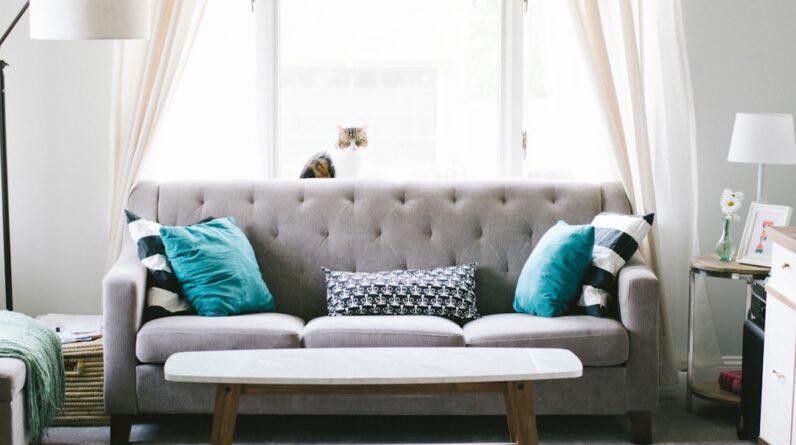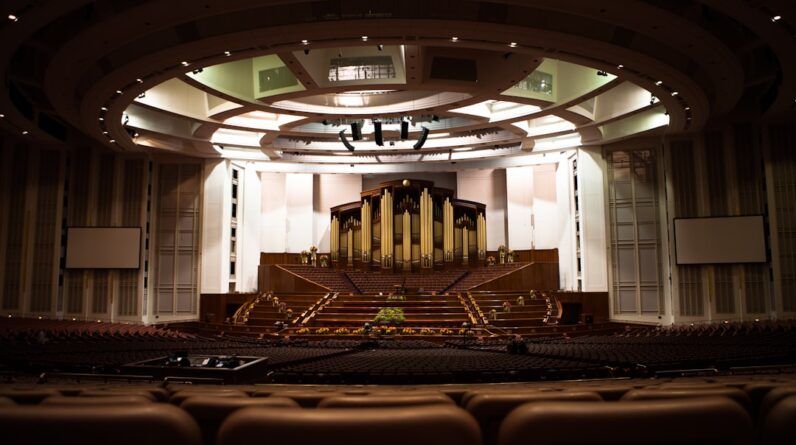
In the realm of contemporary design, you find yourself navigating a landscape that is ever-evolving, shaped by cultural shifts, technological advancements, and changing lifestyles. At its core, contemporary design emphasizes simplicity, clean lines, and a focus on functionality. You may notice that this style often embraces an open concept, allowing for fluid transitions between spaces.
The use of neutral color palettes punctuated by bold accents can create a striking visual impact while maintaining a sense of calm and order. As you explore these principles, consider how they resonate with your personal aesthetic and the practical needs of your environment. Moreover, contemporary design is not just about aesthetics; it also reflects a philosophy that values innovation and adaptability.
You might find that this approach encourages you to think critically about how spaces are used and how they can evolve over time. For instance, multifunctional furniture pieces can serve various purposes, allowing you to maximize utility without sacrificing style. By understanding these principles, you can create spaces that are not only visually appealing but also responsive to the dynamic nature of modern life.
Key Takeaways
- Contemporary design principles focus on clean lines, minimalism, and functionality
- Technology and automation can enhance convenience and efficiency in a space
- Creating a comfortable and inviting atmosphere involves considering lighting, color schemes, and furniture arrangement
- Utilizing sustainable and eco-friendly materials is essential for reducing environmental impact
- Balancing aesthetics and functionality ensures that the space is both visually appealing and practical
Incorporating Technology and Automation
Enhancing Convenience and Efficiency
You may find yourself drawn to features such as automated lighting systems, smart thermostats, and voice-activated assistants that enhance convenience and efficiency in your daily routine. These advancements allow you to control your environment with ease, creating a seamless blend of comfort and functionality.
Technology Meets Aesthetics
Incorporating technology into your design doesn’t have to compromise aesthetics either. Many contemporary designs feature sleek, minimalist devices that complement the overall look of your space. You might consider hidden wiring solutions or built-in speakers that maintain the clean lines characteristic of contemporary design while providing the latest in audio-visual experiences.
Creating a Forward-Thinking Home
By embracing these technological advancements, you can create a home that not only meets your needs but also reflects your forward-thinking mindset.
Creating a Comfortable and Inviting Atmosphere

When designing your space, comfort should be at the forefront of your considerations. You want to create an environment that feels welcoming and warm, where you can unwind after a long day or entertain friends and family. To achieve this, think about the balance between aesthetics and comfort.
Soft textiles, such as plush rugs and cozy throws, can add layers of warmth to your space while enhancing its visual appeal. You might also explore the use of natural light to create an inviting atmosphere; large windows or strategically placed mirrors can help to brighten up your home and make it feel more expansive. Additionally, consider the arrangement of furniture in your space.
You want to foster conversation and connection, so arranging seating in a way that encourages interaction is key. You might opt for a circular layout or create distinct zones within an open floor plan to facilitate social gatherings. By prioritizing comfort and inviting design elements, you can cultivate an atmosphere that resonates with both you and your guests, making every moment spent in your home feel special.
Utilizing Sustainable and Eco-Friendly Materials
In today’s design landscape, sustainability is more than just a trend; it’s a responsibility that many homeowners are embracing. As you embark on your design journey, consider incorporating eco-friendly materials that not only reduce your carbon footprint but also enhance the overall aesthetic of your space. You might explore options such as reclaimed wood, bamboo flooring, or recycled glass countertops that offer both beauty and sustainability.
By choosing materials that are responsibly sourced, you contribute to a healthier planet while creating a unique and stylish environment. Moreover, sustainable design extends beyond materials; it encompasses energy-efficient appliances and systems as well. You may find that investing in energy-efficient lighting or solar panels not only reduces your environmental impact but also lowers utility costs in the long run.
As you integrate these elements into your design, you create a home that reflects your values while providing a comfortable and stylish living space. Embracing sustainability allows you to make choices that benefit both yourself and the world around you.
Balancing Aesthetics and Functionality
In contemporary design, achieving a harmonious balance between aesthetics and functionality is crucial. You want your space to be visually stunning while also serving its intended purpose effectively. This balance can be achieved through thoughtful planning and consideration of how each element contributes to the overall experience of the space.
For instance, when selecting furniture, you might prioritize pieces that are not only beautiful but also practical—think stylish storage solutions or versatile seating options that adapt to different occasions. As you navigate this balance, remember that every choice you make should enhance both the look and feel of your home. You may find that incorporating elements such as built-in shelving or multifunctional furniture allows you to maintain an uncluttered aesthetic while maximizing usability.
By focusing on this duality, you can create spaces that are not only visually appealing but also deeply functional, ensuring that every aspect of your home serves a purpose.
Maximizing Space and Layout
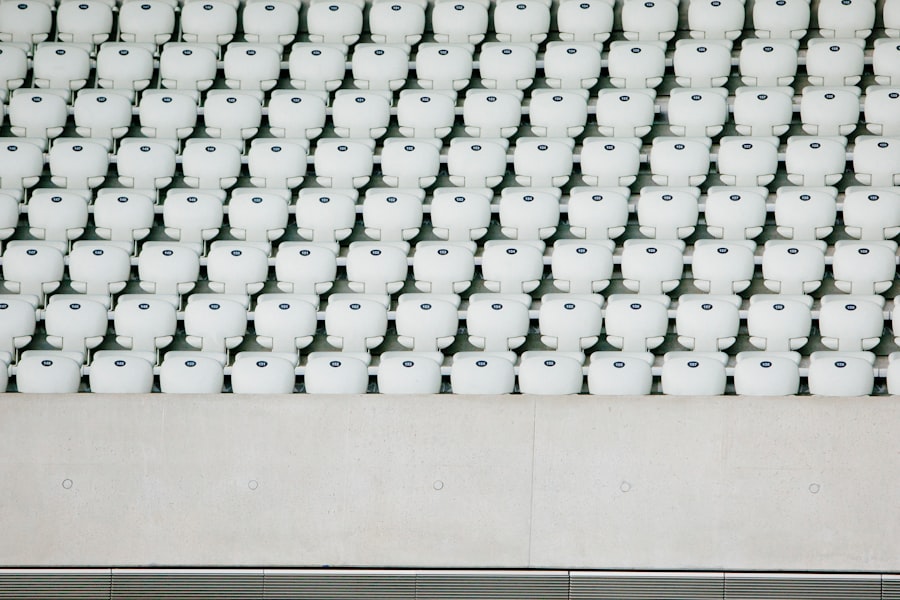
In contemporary design, maximizing space is essential, especially in urban environments where square footage may be limited. You may find yourself challenged to make the most of every inch while still creating an inviting atmosphere. One effective strategy is to embrace an open floor plan that allows for fluid movement between areas.
This approach not only makes spaces feel larger but also encourages interaction among family members or guests. Additionally, consider the vertical space in your home. Utilizing wall-mounted shelves or tall cabinets can draw the eye upward and create an illusion of height while providing ample storage solutions.
You might also explore creative layout options such as using room dividers or sliding doors to define spaces without sacrificing openness. By maximizing space through thoughtful layout choices, you can create a home that feels expansive and functional, regardless of its size.
Integrating Acoustic Design and Soundproofing
As you refine your contemporary design vision, don’t overlook the importance of acoustic design and soundproofing in creating a harmonious living environment. Noise can significantly impact your comfort and well-being; therefore, integrating sound-absorbing materials into your design is essential for achieving tranquility within your home. You might consider using acoustic panels or soundproofing insulation in walls to minimize external noise intrusion while enhancing the overall acoustics of your space.
Furthermore, think about how furniture placement can influence sound dynamics within a room. Strategically positioning soft furnishings like sofas and rugs can help absorb sound waves and reduce echoing effects. You may also explore options such as double-glazed windows or heavy drapes to further enhance sound insulation.
By prioritizing acoustic design in your contemporary space, you create an environment that promotes relaxation and focus—an essential aspect of modern living.
Personalizing the Space with Custom Features and Finishes
Finally, as you bring your contemporary design vision to life, don’t forget the power of personalization through custom features and finishes. Your home should reflect your unique personality and style; therefore, incorporating bespoke elements can elevate your space from ordinary to extraordinary. You might consider custom cabinetry or built-in shelving tailored to fit your specific needs while adding character to your home.
Additionally, think about how unique finishes can enhance the overall aesthetic of your space. Whether it’s selecting a distinctive tile pattern for your kitchen backsplash or commissioning artwork that resonates with you personally, these custom touches can make all the difference in creating a truly one-of-a-kind environment. By infusing your personality into every aspect of your design, you cultivate a space that feels authentically yours—a sanctuary where you can thrive and express yourself fully.
In conclusion, contemporary design offers a rich tapestry of principles and practices that allow you to create spaces that are not only beautiful but also functional and sustainable. By understanding these elements—ranging from technology integration to personalized features—you can craft an environment that resonates with your lifestyle while reflecting your unique aesthetic sensibilities. Embrace this journey with an open mind and heart; after all, your home is a canvas waiting for your personal touch.
FAQs
What are contemporary design principles?
Contemporary design principles refer to the current trends and styles in interior design, which often emphasize clean lines, minimalism, and a focus on functionality and comfort.
How can contemporary design principles be applied to a home theater space?
Contemporary design principles can be applied to a home theater space by incorporating sleek and modern furniture, using a neutral color palette, integrating technology seamlessly into the design, and prioritizing comfort and functionality.
What are some key elements of a stunning and functional home theater space?
Key elements of a stunning and functional home theater space include comfortable seating, proper lighting, acoustics, audio-visual equipment, and a well-designed layout that maximizes the viewing experience for all occupants.
What are some popular trends in contemporary home theater design?
Some popular trends in contemporary home theater design include the use of smart home technology for automation and control, the integration of soundproofing materials for improved acoustics, and the incorporation of multi-purpose furniture to optimize space.
How can lighting be used to enhance the home theater experience?
Lighting can be used to enhance the home theater experience by incorporating dimmable lights for ambiance, installing LED strip lighting for accentuating architectural features, and utilizing smart lighting systems that can be controlled remotely for convenience.