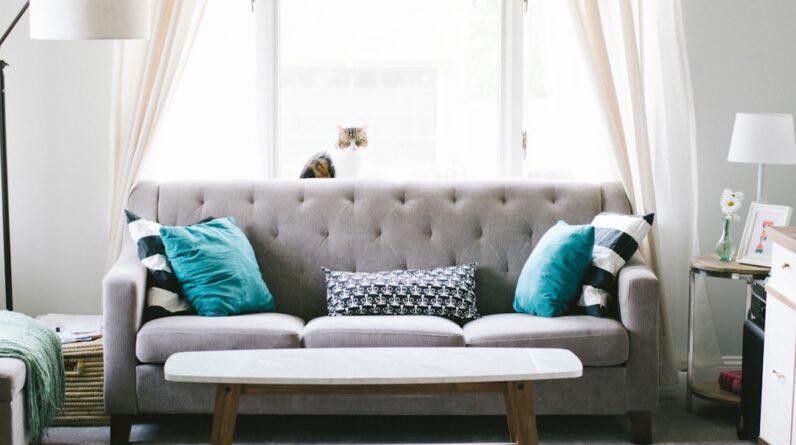
In today’s fast-paced world, contemporary design has emerged as a significant force in shaping our environments, both personal and public. This design philosophy emphasizes clean lines, minimalism, and functionality, creating spaces that are not only visually appealing but also practical. However, as urbanization increases and the need for safety becomes paramount, the integration of security into contemporary design has become a crucial consideration.
You may find yourself navigating a landscape where aesthetics and security must coexist harmoniously, ensuring that spaces are not only beautiful but also safe. The relationship between contemporary design and security is evolving. As you explore modern architecture and interior design, you will notice that the emphasis on open spaces and large windows can sometimes conflict with the need for safety.
This dichotomy presents a unique challenge for designers and architects who must find innovative ways to incorporate security features without compromising the overall aesthetic appeal. Understanding this balance is essential for anyone involved in the design process, whether you are a homeowner, an architect, or a designer.
Key Takeaways
- Contemporary design and security go hand in hand, with the need for both aesthetics and safety in modern spaces.
- Balancing aesthetics and security in contemporary design requires thoughtful integration of security features without compromising the overall design.
- Innovative security features in contemporary design include biometric access control, smart surveillance systems, and impact-resistant materials.
- Integration of security technology in contemporary design involves the seamless incorporation of security systems into the overall design concept.
- Examples of contemporary designs with integrated security features include smart homes, high-security commercial buildings, and public spaces with advanced access control systems.
Balancing Aesthetics and Security in Contemporary Design
Designing for Both Beauty and Safety
You might consider how materials, layout, and design choices can enhance both beauty and safety. For instance, using tempered glass not only provides a modern look but also offers increased resistance to breakage. Moreover, the placement of furniture and architectural elements can play a significant role in enhancing security.
Positioning for Security
You may want to think about how to position seating arrangements or landscaping to avoid creating hiding spots for potential intruders. By carefully considering these aspects, you can create an environment that feels open and inviting while still prioritizing safety.
Integrating Security into the Design Narrative
This balance is not merely about adding security features; it’s about integrating them seamlessly into the overall design narrative.
Innovative Security Features in Contemporary Design
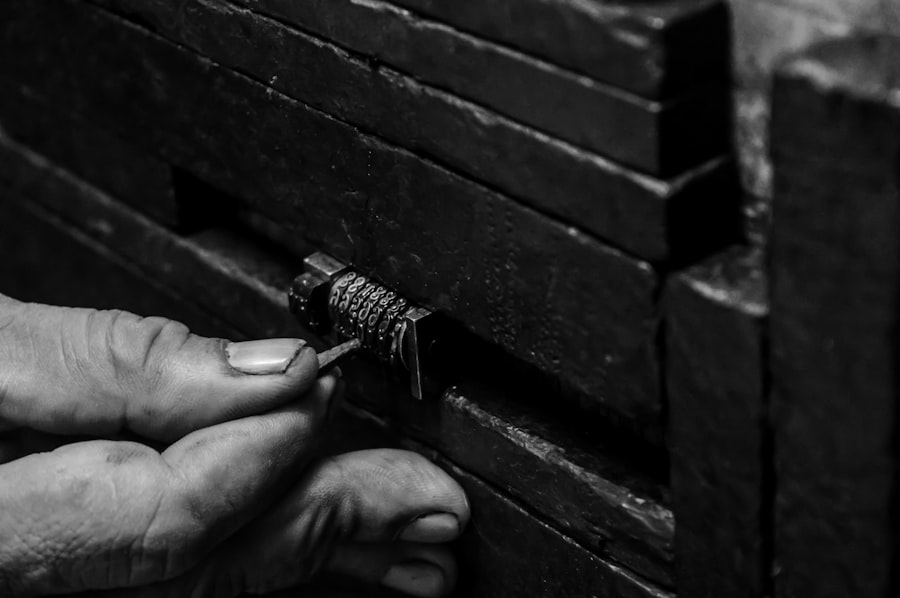
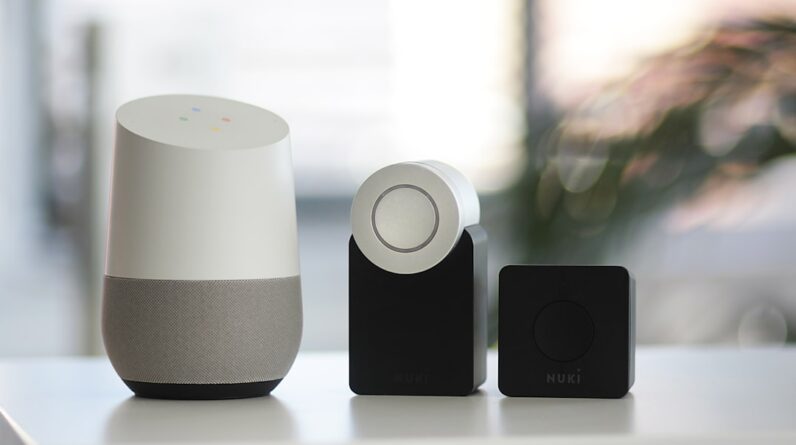
As you delve deeper into contemporary design, you will discover a plethora of innovative security features that have emerged in recent years. These advancements are not just functional; they also align with the aesthetic values of modern design. For example, smart locks have become increasingly popular, allowing you to control access to your home through your smartphone.
These locks can be designed to blend in with your door hardware, maintaining the sleek look of your entrance while providing enhanced security. Another innovative feature is the use of surveillance cameras that are designed to be discreet yet effective. You may find options that resemble decorative elements or are integrated into architectural features, ensuring that they do not detract from the overall design.
Additionally, motion-sensor lighting can enhance both security and ambiance, illuminating pathways and entry points without overwhelming the space with harsh lighting. These features exemplify how contemporary design can embrace technology while prioritizing safety.
Integration of Security Technology in Contemporary Design
The integration of security technology into contemporary design is becoming increasingly sophisticated. As you explore this realm, you will encounter smart home systems that allow for seamless control over various security features from a single interface. Imagine being able to monitor your home’s security cameras, adjust your alarm system, and control outdoor lighting all from your smartphone or tablet.
This level of integration not only enhances convenience but also provides peace of mind. Moreover, the rise of artificial intelligence in security technology is transforming how you interact with your living spaces. AI-driven systems can learn your habits and preferences, adjusting security measures accordingly.
For instance, if you typically leave for work at the same time each day, the system can automatically activate security protocols during those hours. This intelligent integration allows for a more personalized approach to safety while maintaining the sleek aesthetics of contemporary design.
Examples of Contemporary Designs with Integrated Security Features
As you explore real-world examples of contemporary designs that successfully integrate security features, you will find numerous inspiring cases. One notable example is the use of smart glass in residential architecture. This innovative material can change its opacity at the touch of a button, providing privacy when needed while still allowing natural light to flood the space.
Such designs not only enhance security but also contribute to energy efficiency and aesthetic appeal. Another compelling case is the incorporation of secure entry systems in modern apartment complexes. Many new developments feature keyless entry systems that utilize biometric technology or smartphone access.
These systems not only provide enhanced security but also streamline the entry process for residents and guests alike. By examining these examples, you can gain insights into how contemporary design can effectively address security concerns while remaining visually striking.
Considerations for Incorporating Security in Contemporary Design
When incorporating security into contemporary design, there are several key considerations to keep in mind. First and foremost, you should assess the specific needs of the space you are designing. Are you creating a residential home, a commercial building, or a public space?
Each context will have unique security requirements that must be addressed thoughtfully. You may want to conduct a thorough risk assessment to identify potential vulnerabilities and tailor your design accordingly. Additionally, it’s essential to consider the user experience when integrating security features.
You want to ensure that any security measures do not create an atmosphere of fear or discomfort. For instance, while high fences may enhance safety, they can also create a sense of isolation if not designed thoughtfully. Instead, consider using landscaping elements or artistic barriers that provide security without sacrificing openness and accessibility.
Future Trends in Security-Integrated Contemporary Design
As you look ahead to future trends in security-integrated contemporary design, it’s clear that technology will continue to play a pivotal role. The rise of smart cities is likely to influence how we think about security in public spaces. You may see an increase in interconnected systems that allow for real-time monitoring and response to potential threats.
This shift will require designers to think creatively about how to incorporate these technologies into urban landscapes while maintaining aesthetic appeal. Sustainability will also be a driving force in future designs. As environmental concerns grow, you may find that eco-friendly materials and energy-efficient technologies become standard in contemporary designs that prioritize security.
For example, solar-powered security lights can enhance safety while reducing energy consumption. By embracing these trends, you can contribute to a future where beauty and safety coexist harmoniously.
The Importance of Security in Contemporary Design
In conclusion, the importance of integrating security into contemporary design cannot be overstated. As you navigate this dynamic field, it’s essential to recognize that aesthetics and safety are not mutually exclusive; rather, they can enhance one another when approached thoughtfully. By prioritizing security in your design choices, you contribute to creating environments that are not only visually stunning but also safe and welcoming.
As you continue your journey through contemporary design, remember that the integration of innovative security features is an ongoing process that requires creativity and foresight. By staying informed about emerging technologies and trends, you can ensure that your designs remain relevant and effective in addressing the ever-evolving landscape of safety concerns. Ultimately, embracing this dual focus on aesthetics and security will lead to more resilient and harmonious spaces for all who inhabit them.
FAQs
What is contemporary design?
Contemporary design refers to the current trends and styles in interior and product design. It often incorporates clean lines, minimalism, and a focus on functionality.
What are some security features commonly incorporated into contemporary design?
Some common security features incorporated into contemporary design include smart locks, security cameras, motion sensor lighting, and reinforced doors and windows.
How does contemporary design incorporate security features without compromising its aesthetic appeal?
Contemporary design incorporates security features by integrating them seamlessly into the overall design. This can be achieved through hidden or sleekly designed security devices, as well as using materials and finishes that complement the overall aesthetic.
What are some examples of contemporary design elements that enhance security?
Examples of contemporary design elements that enhance security include biometric door locks, smart home security systems, and impact-resistant glass for windows and doors.
How can contemporary design improve overall security in a space?
Contemporary design can improve overall security in a space by incorporating features such as secure entryways, strategic lighting, and surveillance systems, while maintaining a modern and stylish aesthetic.