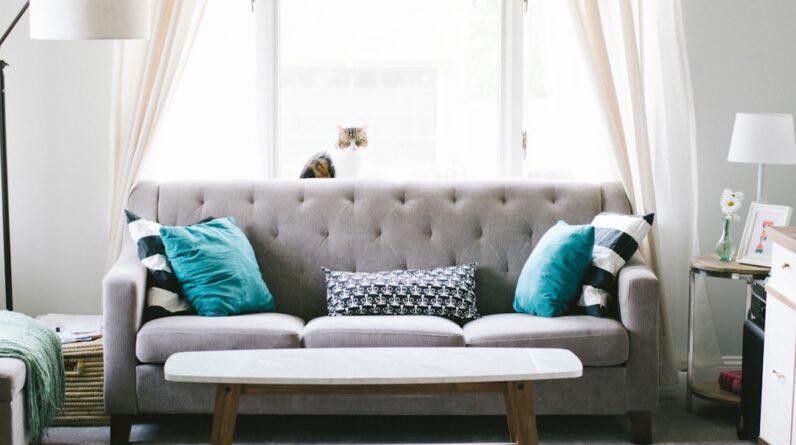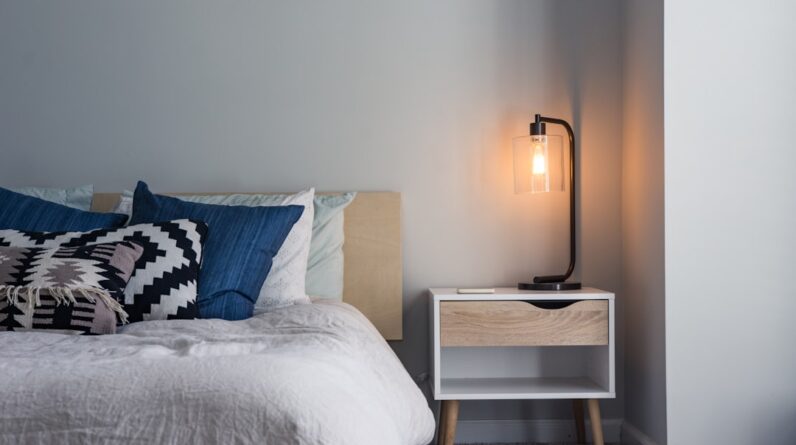
When it comes to designing a functional and inviting space, effective space planning and layout are paramount. You need to consider how the room will be used daily, ensuring that the arrangement of furniture and other elements promotes ease of movement and accessibility. Start by assessing the dimensions of the room and identifying focal points, such as windows or built-in features.
This will help you create a balanced layout that maximizes both aesthetics and functionality. Think about how you and your family interact within the space; for instance, if you often host gatherings, you might want to arrange seating in a way that encourages conversation and connection. In addition to considering the flow of movement, you should also think about the purpose of each area within the room.
Zoning can be an effective strategy, where you designate specific areas for different activities, such as reading, playing, or working. By clearly defining these zones, you can create a more organized environment that caters to various needs. Use rugs or furniture placement to delineate these spaces visually.
Remember, the goal is to create a harmonious layout that not only looks good but also enhances your daily life.
Key Takeaways
- Efficient space planning and layout are essential for creating a functional and comfortable living environment.
- Multifunctional furniture can maximize space and serve multiple purposes, making it ideal for small or versatile living spaces.
- A neutral color palette can create a calming and timeless atmosphere, while also providing a versatile backdrop for different decor styles.
- Flexible storage solutions, such as modular shelving and hidden storage compartments, can help keep the space organized and clutter-free.
- Age-appropriate decor should be considered when designing a space for children or elderly individuals, taking into account their specific needs and preferences.
- Safety considerations, such as rounded edges on furniture and secure anchoring of heavy items, are crucial for creating a safe environment, especially in homes with children or elderly individuals.
- Technology integration, such as built-in charging stations and smart home devices, can enhance the functionality and convenience of the space.
- Personalization and customization allow individuals to express their unique style and preferences, creating a space that feels truly their own.
Multifunctional Furniture
Maximizing Space with Versatile Pieces
A sofa bed can transform your living room into a guest room when needed, while an ottoman with storage can provide both seating and a place to stow away blankets or toys. This versatility allows you to maintain a clutter-free environment while still accommodating various activities and needs.
Considering Your Lifestyle and Needs
When selecting multifunctional furniture, consider your lifestyle and the specific requirements of your household. If you have children, look for durable materials that can withstand wear and tear while still being stylish.
Creating a Dynamic Living Environment
If you work from home, a desk that can be folded away or converted into a dining table can be incredibly useful. By investing in smart furniture solutions, you not only save space but also create a more dynamic living environment that adapts to your changing needs.
Neutral Color Palette
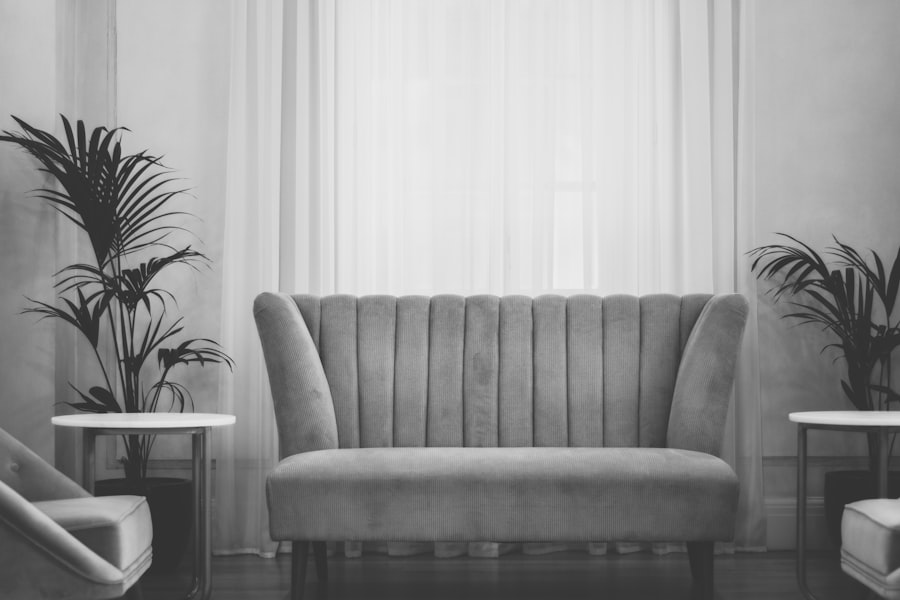
A neutral color palette can serve as the perfect backdrop for any room, providing a sense of calm and sophistication. When you choose soft whites, beiges, grays, or muted pastels, you create an inviting atmosphere that allows other design elements to shine. This approach is particularly beneficial if you want to incorporate bold accents or artwork without overwhelming the space.
A neutral base can make it easier for you to change up your decor over time without needing to repaint or make significant alterations. Moreover, neutral colors can enhance the perception of space, making smaller rooms feel larger and more open. They reflect light beautifully, which can brighten up even the dimmest corners of your home.
When decorating with neutrals, consider layering different shades and textures to add depth and interest. For instance, combining a soft beige sofa with cream-colored pillows and a textured gray throw can create a cozy yet sophisticated look. This versatility allows you to maintain a timeless aesthetic while still expressing your personal style.
Flexible Storage Solutions
Effective storage solutions are essential for maintaining an organized home, especially in spaces where clutter tends to accumulate. You should explore flexible storage options that can adapt to your changing needs over time. For instance, modular shelving units can be reconfigured as your collection of books or decorative items grows.
Similarly, under-bed storage containers can help you make use of otherwise wasted space while keeping seasonal items out of sight. In addition to traditional storage solutions, consider incorporating furniture that doubles as storage. Coffee tables with hidden compartments or benches with built-in storage can help keep your living areas tidy while providing additional functionality.
When planning your storage solutions, think about accessibility; items you use frequently should be easy to reach, while those used less often can be stored in less accessible areas. By prioritizing flexible storage options, you can create a more organized and efficient living environment.
Age-Appropriate Decor
When designing spaces for families with children or teenagers, age-appropriate decor is crucial for creating an environment that feels welcoming and functional for everyone. You should consider the interests and needs of each age group when selecting colors, themes, and furnishings. For younger children, bright colors and playful patterns can stimulate creativity and imagination.
Incorporating elements like chalkboard walls or interactive art stations can encourage playfulness while also serving educational purposes. As children grow older, their tastes will evolve, so it’s important to choose decor that can adapt with them. Opt for versatile pieces that can transition from childhood themes to more mature aesthetics without requiring a complete overhaul of the room.
For example, a neutral base with colorful accents can easily shift from whimsical designs to more sophisticated decor as your child matures. By being mindful of age-appropriate decor, you create spaces that foster growth and development while remaining stylish and functional.
Safety Considerations
Safety Considerations in Family-Friendly Design
Designing spaces for families, especially those with young children or pets, requires prioritizing safety features to minimize risks and hazards. A thorough assessment of potential dangers in each room is essential, including sharp corners on furniture, cords from electronics, and rugs that can cause slips and falls.
Mitigating Risks through Design Choices
Simple design choices can significantly reduce the risk of accidents. Investing in corner guards for furniture, securing them with non-slip pads, and opting for non-toxic paints and finishes ensure a safe environment for everyone. When selecting furniture, look for sturdy pieces that won’t tip over easily and avoid items with small parts that could pose choking hazards for younger children.
Creating a Nurturing Space
By taking these safety considerations into account during the design process, you can create a nurturing space where everyone can feel secure and at ease.
Technology Integration
Incorporating technology into your home design can enhance convenience and functionality while keeping your space modern and efficient. You should consider how technology can streamline daily tasks and improve your overall quality of life. Smart home devices like thermostats, lighting systems, and security cameras allow you to control various aspects of your home from your smartphone or tablet, making it easier to manage everything from energy consumption to safety.
When integrating technology into your design, think about how it fits within the overall aesthetic of your space. Concealing wires and cables can help maintain a clean look while ensuring that technology doesn’t overwhelm the design elements you’ve chosen. Additionally, consider creating designated tech zones where devices like charging stations or entertainment systems are housed neatly away from everyday living areas.
By thoughtfully integrating technology into your home design, you create a seamless blend of style and functionality.
Personalization and Customization
Finally, personalization and customization are key components in making any space feel like home. You should infuse your personality into every corner by incorporating elements that reflect your interests and values. This could include displaying family photos in unique frames or showcasing artwork created by loved ones.
Personal touches not only make a space feel more inviting but also tell a story about who you are. Customization goes beyond decor; it also extends to furniture choices and layouts tailored specifically to your lifestyle. Consider working with local artisans or designers who can create bespoke pieces that fit perfectly within your vision for the space.
Whether it’s a custom-built bookshelf or a unique coffee table designed just for you, these personalized elements will enhance the overall character of your home. By prioritizing personalization and customization in your design process, you create a space that truly reflects your identity and meets your needs. In conclusion, creating a well-designed space involves careful consideration of various elements such as layout, furniture choices, color palettes, storage solutions, safety features, technology integration, and personalization.
By focusing on these aspects thoughtfully, you can craft an environment that is not only functional but also resonates with your unique style and enhances your daily life.
FAQs
What are the key design considerations for creating a contemporary nursery or children’s room that grows with the child?
Some key design considerations for creating a contemporary nursery or children’s room that grows with the child include choosing versatile furniture, incorporating neutral color schemes, adding storage solutions, and considering the child’s interests and hobbies.
Why is it important to choose versatile furniture for a contemporary nursery or children’s room?
Choosing versatile furniture for a contemporary nursery or children’s room is important because it allows the space to adapt as the child grows. For example, a crib that can be converted into a toddler bed or a changing table that can be repurposed as a dresser can help the room evolve with the child’s needs.
How can a neutral color scheme contribute to a contemporary nursery or children’s room that grows with the child?
A neutral color scheme can contribute to a contemporary nursery or children’s room that grows with the child by providing a timeless and adaptable backdrop for the space. Neutral colors can easily be paired with different accent colors or decor themes as the child’s preferences change over time.
What are some effective storage solutions for a contemporary nursery or children’s room?
Effective storage solutions for a contemporary nursery or children’s room include incorporating built-in shelving, utilizing multi-functional furniture with hidden storage compartments, and adding baskets or bins for organizing toys and other items. These solutions can help keep the room organized and clutter-free as the child grows.
How can the child’s interests and hobbies be incorporated into the design of a contemporary nursery or children’s room?
Incorporating the child’s interests and hobbies into the design of a contemporary nursery or children’s room can be done through themed decor, personalized artwork, and flexible decor elements that can be easily updated as the child’s preferences change. This allows the room to reflect the child’s personality and evolve with their interests.