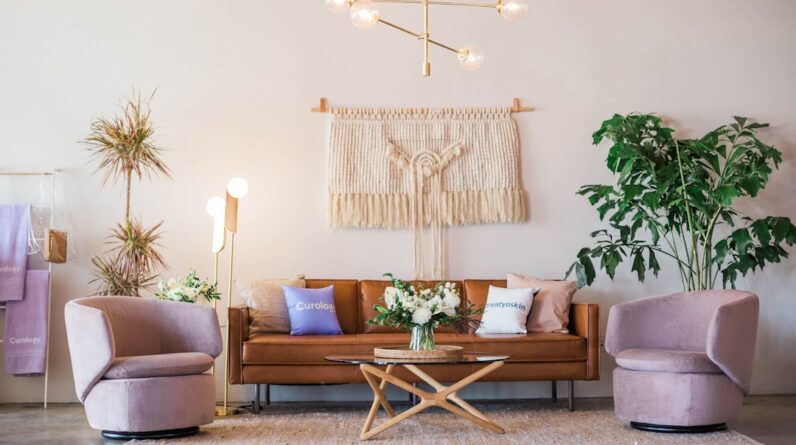
In an era where remote work has become increasingly prevalent, the significance of a well-designed home office cannot be overstated. A thoughtfully curated workspace not only enhances productivity but also fosters creativity and well-being. The home office serves as a sanctuary where individuals can focus, collaborate, and innovate without the distractions often found in a traditional office environment.
As the lines between home and work continue to blur, investing time and resources into creating an efficient and aesthetically pleasing workspace is essential for both mental clarity and professional success. A well-designed home office goes beyond mere functionality; it reflects personal style and values. The environment in which one works can significantly influence mood and motivation.
A space that is cluttered or poorly organized can lead to feelings of stress and overwhelm, while a well-structured office can inspire focus and drive. By carefully considering elements such as layout, furniture, lighting, and decor, individuals can create a home office that not only meets their professional needs but also serves as a source of inspiration and comfort.
Key Takeaways
- A well-designed home office is essential for productivity and work-life balance.
- Choosing the right furniture and layout is crucial for creating a functional and comfortable workspace.
- Incorporating natural light and greenery can improve mood and productivity in a home office.
- Organization and storage solutions are key to maintaining a clutter-free environment for maximum productivity.
- Adding personal touches and decor can enhance the aesthetic and make the home office feel more inviting and inspiring.
Choosing the Right Furniture and Layout for Your Home Office
Functionality and Space Considerations
A spacious desk with ample surface area is essential for those who require multiple monitors or extensive paperwork. On the other hand, individuals with limited space may benefit from a compact desk that incorporates built-in storage options. The layout should facilitate ease of movement while allowing for efficient workflow; positioning the desk near power outlets and natural light sources can enhance productivity.
Aesthetic Appeal and Personal Style
The aesthetic appeal of furniture plays a vital role in creating an inviting workspace. Selecting pieces that resonate with personal style can transform an ordinary room into an inspiring environment. For example, a sleek modern desk paired with an ergonomic chair can create a contemporary look, while vintage furniture can add character and warmth.
Arranging Furniture for Optimal Productivity
It is also essential to consider the arrangement of furniture within the space. An open layout may encourage collaboration and communication, while a more enclosed setup can provide privacy and concentration. Ultimately, the goal is to create a harmonious balance between functionality and style.
Incorporating Natural Light and Greenery for a Productive Workspace
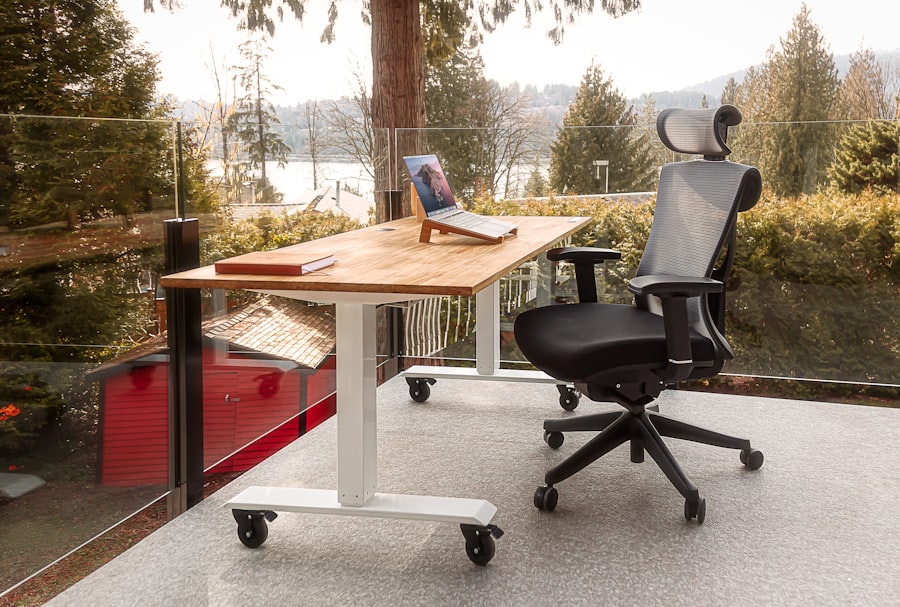
Natural light is one of the most powerful elements in a home office design. Studies have shown that exposure to natural light can improve mood, increase energy levels, and enhance overall productivity. When designing a home office, it is crucial to maximize the use of windows and consider the orientation of the room.
Positioning the desk near a window not only provides ample light but also offers a view of the outdoors, which can serve as a refreshing break during long work hours. If direct sunlight is too harsh, sheer curtains or blinds can diffuse the light while still allowing it to filter through. Incorporating greenery into the workspace further enhances the benefits of natural light.
Plants not only improve air quality but also contribute to a calming atmosphere. Research indicates that having plants in the workplace can reduce stress levels and increase feelings of well-being. Options such as snake plants, pothos, or peace lilies are low-maintenance choices that thrive in indoor environments.
Strategically placing plants on shelves, desks, or window sills can create a vibrant and inviting workspace that promotes creativity and focus.
Organization and Storage Solutions for a Clutter-Free Environment
A clutter-free environment is essential for maintaining focus and productivity in a home office. Effective organization begins with assessing the specific needs of the workspace and identifying potential storage solutions. Utilizing vertical space through shelves or wall-mounted organizers can free up valuable desk space while keeping essential items within reach.
Drawer organizers can help categorize supplies, ensuring that everything has its designated place. Additionally, incorporating multifunctional furniture, such as desks with built-in storage or ottomans that double as storage units, can maximize efficiency without sacrificing style. Digital organization is equally important in today’s tech-driven world.
Implementing cloud storage solutions allows for easy access to documents from any device while reducing physical clutter. Regularly decluttering both physical and digital spaces is crucial; setting aside time each week to organize files and remove unnecessary items can prevent overwhelm and maintain an efficient workflow. By prioritizing organization, individuals can create a serene workspace that fosters concentration and creativity.
Adding Personal Touches and Decor to Enhance the Aesthetic of Your Home Office
Personal touches are what truly transform a home office from a mere workspace into a reflection of one’s personality and style. Incorporating decor elements such as artwork, photographs, or inspirational quotes can infuse the space with character and motivation. For instance, hanging framed prints or canvases that resonate with personal interests or professional aspirations can serve as daily reminders of goals and passions.
Additionally, using color strategically can influence mood; warm tones may evoke energy while cooler shades promote calmness. Textiles also play a significant role in enhancing the aesthetic appeal of a home office. Choosing comfortable yet stylish items such as rugs, cushions, or curtains can add warmth and texture to the space.
A cozy throw blanket draped over an office chair not only provides comfort but also adds visual interest. Furthermore, incorporating unique decorative items—such as vintage books, sculptures, or handmade crafts—can create focal points that spark conversation and inspire creativity.
Technology Integration: Creating a Seamless and Functional Work Environment
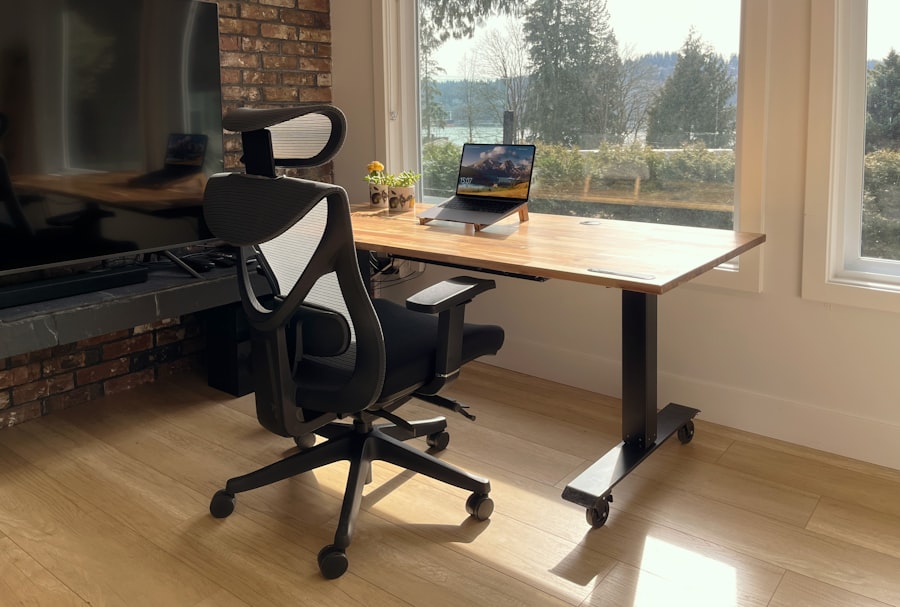
In today’s digital age, technology integration is paramount for creating an efficient home office. The right tools can streamline workflows and enhance productivity significantly. High-speed internet is essential; investing in a reliable router ensures seamless connectivity for video calls, file sharing, and online collaboration tools.
Additionally, equipping the workspace with ergonomic tech accessories—such as adjustable monitor stands or keyboard trays—can improve comfort during long hours of work. Moreover, utilizing smart technology can further enhance functionality within the home office. Smart lighting systems allow users to adjust brightness levels according to their needs throughout the day, while smart speakers can provide hands-free assistance for scheduling tasks or playing background music.
Incorporating cable management solutions helps maintain a tidy appearance by concealing unsightly cords and wires. By thoughtfully integrating technology into the workspace, individuals can create an environment that supports efficiency while minimizing distractions.
Ergonomic Design: Prioritizing Comfort and Health in Your Home Office
The importance of ergonomic design in a home office cannot be overlooked; prioritizing comfort is essential for maintaining health and productivity over time. An ergonomic chair that supports proper posture is crucial for preventing discomfort during long hours of sitting. Features such as adjustable height, lumbar support, and armrests contribute to overall well-being by reducing strain on the back and neck.
Pairing this with an appropriately sized desk ensures that work surfaces are at the correct height for typing or writing. In addition to seating arrangements, incorporating movement into the workspace is vital for promoting physical health. Standing desks or sit-stand converters allow individuals to alternate between sitting and standing throughout the day, reducing fatigue associated with prolonged sitting.
Simple practices such as taking regular breaks to stretch or walk around can significantly impact overall health and productivity levels. By focusing on ergonomic design principles, individuals can create a home office that not only enhances comfort but also supports long-term well-being.
Creating a Balance of Productivity and Style in Your Home Office
Designing an effective home office requires careful consideration of various elements that contribute to both productivity and aesthetic appeal. From selecting appropriate furniture to maximizing natural light and incorporating personal touches, each aspect plays a crucial role in creating an inspiring workspace. By prioritizing organization, technology integration, and ergonomic design, individuals can cultivate an environment that fosters creativity while ensuring comfort.
Ultimately, a well-designed home office serves as more than just a functional space; it becomes a reflection of one’s identity and aspirations. As remote work continues to evolve, investing in a thoughtfully curated workspace will remain essential for achieving professional success while maintaining personal well-being.
FAQs
What are the key elements of a productive home office design?
The key elements of a productive home office design include ergonomic furniture, good lighting, organization and storage solutions, and a comfortable and inspiring atmosphere.
How can I incorporate style into my home office design?
You can incorporate style into your home office design by choosing furniture and decor that reflects your personal taste, adding pops of color, and incorporating stylish storage solutions.
What are some tips for maximizing productivity in a home office?
Some tips for maximizing productivity in a home office include creating a designated work area, minimizing distractions, setting up a comfortable and ergonomic workspace, and establishing a daily routine.
What are some popular home office design trends?
Some popular home office design trends include incorporating natural elements such as wood and plants, creating a minimalist and clutter-free workspace, and incorporating technology for a seamless and efficient work environment.
How can I create a functional and stylish home office in a small space?
You can create a functional and stylish home office in a small space by utilizing multi-functional furniture, maximizing vertical space with shelves and storage solutions, and keeping the color palette light and airy to create the illusion of more space.