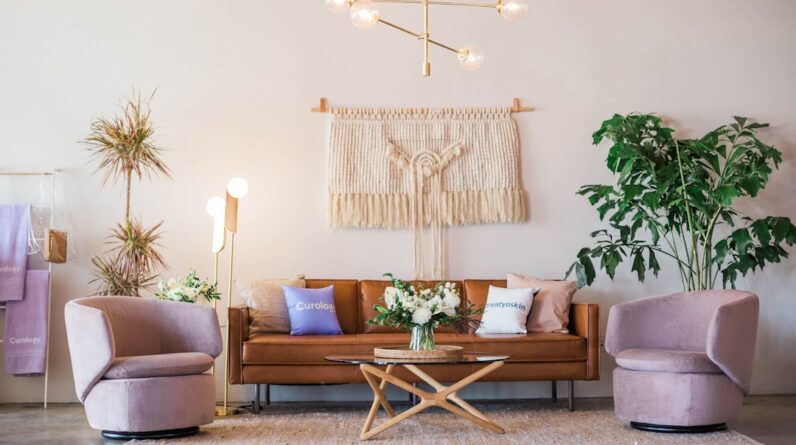
Vintage chic is more than just a design trend; it embodies a philosophy that celebrates the beauty of the past while seamlessly integrating it into contemporary living. The allure of vintage pieces lies in their unique stories, craftsmanship, and the nostalgia they evoke. Each item carries a history, a narrative that transcends time, making it not just a decorative object but a conversation starter.
The charm of vintage chic is its ability to evoke memories and emotions, allowing individuals to connect with the past in a tangible way. This connection is particularly appealing in an age dominated by mass production, where the uniqueness of handcrafted items is often lost. Moreover, vintage chic offers an opportunity for self-expression.
In a world where personal style can sometimes feel homogenized, incorporating vintage elements allows individuals to curate spaces that reflect their personality and values. Whether it’s a mid-century modern chair or an ornate Victorian mirror, these pieces can serve as focal points that draw the eye and spark interest. The juxtaposition of old and new creates a dynamic aesthetic that feels both fresh and timeless, appealing to those who appreciate the artistry of bygone eras while still wanting to maintain a modern sensibility.
Key Takeaways
- Vintage chic never goes out of style, offering a timeless appeal that adds character to any space.
- Finding the perfect antiques for your modern space involves a careful balance of style, size, and functionality.
- Mixing and matching antiques with contemporary decor creates a unique and eclectic look that adds depth to your space.
- Restoring and repurposing old treasures gives them new life and adds a sense of history to your home.
- Creating a cohesive look by blending antiques with modern furniture requires a thoughtful approach to balance and harmony in design.
Finding the Perfect Antiques for Your Modern Space
Defining Your Style
The pursuit of the perfect antique can be both thrilling and intimidating. To begin, identify your personal style and the overall theme of your space. Are you drawn to rustic farmhouse aesthetics or do you prefer the sleek lines of Art Deco? Knowing your preferences will guide you in selecting pieces that resonate with your vision.
Exploring the Right Venues
Flea markets, estate sales, and antique shops are treasure troves waiting to be explored. Each venue offers a unique selection, and the thrill of discovery is part of the experience. When searching for antiques, consider the scale and proportion of the items in relation to your modern furnishings.
Striking a Balance
It’s essential to strike a balance between the antique and contemporary elements to create harmony within your home. Don’t shy away from imperfections; they often add character and authenticity to vintage pieces. A chipped edge or faded paint can tell a story that enhances the overall aesthetic rather than detracts from it.
Mixing and Matching: Incorporating Antiques with Contemporary Decor

The art of mixing antiques with contemporary decor lies in finding common ground between different styles. One effective approach is to choose a color palette that unifies both elements. For instance, if your modern space features a neutral color scheme, incorporating antique pieces with similar tones can create a cohesive look.
A rustic wooden coffee table can pair beautifully with sleek leather sofas when both share complementary hues. This method allows for a seamless integration of old and new without overwhelming the senses. Another strategy is to focus on texture and materiality.
Combining different textures can add depth and interest to your space. A vintage velvet armchair can provide a tactile contrast to a modern metal side table, creating visual intrigue. Additionally, consider the scale of your antique pieces; larger items can serve as statement pieces in an otherwise minimalist environment, while smaller antiques can be used as accents to enhance existing decor.
The key is to maintain a sense of balance—allowing each piece to shine without competing for attention.
Restoring and Repurposing: Giving New Life to Old Treasures
Restoration and repurposing breathe new life into antiques, transforming them into functional pieces that fit seamlessly into modern lifestyles. Many vintage items may require some TLC—whether it’s refinishing wood surfaces, reupholstering chairs, or repairing broken hardware. These restoration projects not only preserve the integrity of the piece but also allow you to customize it according to your taste.
For example, an antique dresser can be transformed into a stylish bathroom vanity with some minor adjustments, merging functionality with vintage charm. Repurposing goes beyond mere restoration; it involves reimagining how an antique can serve a new purpose in your home. An old ladder can become a unique bookshelf, while vintage suitcases can be stacked to create an eclectic side table.
The possibilities are limited only by your creativity. This approach not only reduces waste but also adds character to your space by showcasing your ingenuity. Each repurposed item tells its own story—one that reflects both its past and its new life in your home.
Creating a Cohesive Look: Blending Antiques with Modern Furniture
Achieving a cohesive look when blending antiques with modern furniture requires thoughtful consideration of design elements such as color, shape, and style. One effective method is to select modern furniture that complements the lines and forms of your antique pieces. For instance, if you have a vintage round dining table, pairing it with contemporary chairs that feature soft curves can create visual harmony.
This approach allows both styles to coexist without clashing. In addition to form, consider the materials used in both antique and modern pieces. Mixing wood finishes can create an inviting atmosphere; however, it’s essential to ensure that they don’t compete for attention.
A rustic wooden bench can pair beautifully with sleek metal chairs if they share similar tones or textures. Accessories also play a crucial role in tying together different styles—using textiles like throw pillows or rugs that incorporate colors from both antique and modern elements can help unify the overall aesthetic.
Showcasing Your Antiques: Tips for Displaying Vintage Finds

Displaying antiques effectively requires an understanding of scale, placement, and context within your space. One popular method is to create vignettes—curated groupings of objects that tell a story or convey a theme. For example, you might arrange a collection of vintage books alongside an antique globe on a modern bookshelf, creating an inviting reading nook that highlights both styles.
The key is to avoid overcrowding; allowing each piece room to breathe enhances its visual impact. Lighting also plays a significant role in showcasing antiques. Proper illumination can highlight the intricate details of vintage items while creating an inviting ambiance in your home.
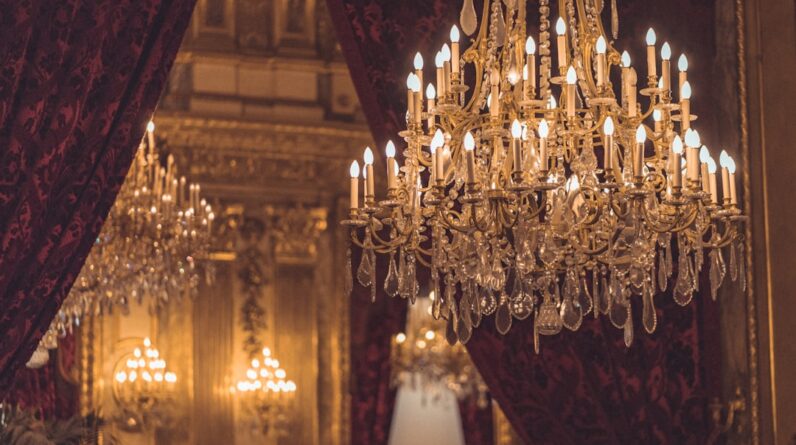
Consider using spotlights or accent lighting to draw attention to specific pieces, such as an ornate chandelier or an intricately carved side table. Additionally, mirrors can be strategically placed to reflect light and create depth in your display areas, making your antiques stand out even more.
Embracing the Patina: The Beauty of Worn and Weathered Antiques
The beauty of antiques often lies in their patina—the natural wear and tear that accumulates over time. Embracing this aspect of vintage pieces adds authenticity and character to your decor. A weathered wooden table with scratches tells stories of family gatherings and shared meals, while tarnished silverware evokes memories of elegant dinners from decades past.
Rather than viewing these imperfections as flaws, consider them as marks of history that enhance the narrative of each piece. Incorporating patina-rich antiques into your home can create a sense of warmth and comfort that new items often lack. The tactile quality of worn surfaces invites touch and interaction, fostering a connection between people and objects.
When selecting pieces with patina, consider how they will fit into your overall design scheme; their unique characteristics can serve as focal points or subtle accents that enrich your space.
The Art of Layering: Adding Depth and Character with Vintage Pieces
Layering is an essential technique in interior design that adds depth and character to any space, particularly when incorporating vintage elements. By thoughtfully layering different textures, colors, and styles, you can create an inviting atmosphere that feels curated rather than cluttered. Start by layering textiles—mixing patterns through throw pillows or blankets can add visual interest while maintaining comfort.
In addition to textiles, consider layering furniture arrangements to create distinct zones within open spaces. For example, placing an antique trunk at the foot of a modern bed not only serves as storage but also adds visual weight and interest to the room. Layering artwork is another effective strategy; combining contemporary pieces with vintage frames creates an eclectic gallery wall that showcases your personality while celebrating both styles.
By embracing layering techniques alongside thoughtful integration of antiques into modern decor, you can craft spaces that are rich in history yet relevant to contemporary living. Each layer tells its own story while contributing to an overall narrative that reflects your unique aesthetic sensibilities.
FAQs
What is vintage chic?
Vintage chic refers to a style of interior design that incorporates antique or vintage items into modern interiors, creating a unique and eclectic look.
How can antiques be incorporated into modern interiors?
Antiques can be incorporated into modern interiors by mixing them with contemporary furniture and decor, using them as statement pieces, or repurposing them for a new function.
What are some popular antique items to incorporate into modern interiors?
Popular antique items to incorporate into modern interiors include vintage mirrors, chandeliers, rugs, furniture, and artwork.
What are the benefits of incorporating antiques into modern interiors?
Incorporating antiques into modern interiors adds character, history, and a sense of uniqueness to the space. It also allows for sustainable and eco-friendly design by repurposing and reusing old items.
How can one ensure a cohesive look when incorporating antiques into modern interiors?
To ensure a cohesive look, it’s important to consider the overall style and color scheme of the space, as well as the scale and proportion of the antique items being incorporated. Mixing and matching different styles can also create an interesting and cohesive look.