Biophilic design is an innovative approach to architecture and interior design that seeks to create a connection between people and nature within built environments. The term “biophilia,” which translates to “love of life” or “love of living systems,” was popularized by biologist Edward O. Wilson in the 1980s. He posited that humans have an inherent affinity for nature, stemming from our evolutionary history as part of the natural world. Biophilic design aims to harness this intrinsic connection by integrating natural elements into the built environment, thereby enhancing the quality of life for occupants. At its core, biophilic design encompasses a variety of strategies that can be employed in both residential and commercial spaces. These strategies may include the use of natural materials, the incorporation of greenery, maximizing natural light, and creating views of nature. The goal is to evoke a sense of tranquility and well-being, fostering a harmonious relationship between individuals and their surroundings. By acknowledging the psychological and physiological benefits of nature, biophilic design seeks to create spaces that not only serve functional purposes but also nurture the human spirit.
Key Takeaways
- Biophilic design is an approach to architecture and interior design that seeks to connect people with nature and natural elements.
- The benefits of biophilic design for well-being include reduced stress, improved cognitive function, and increased creativity and productivity.
- Incorporating biophilic design into interior spaces can be achieved through the use of natural materials, natural light, and indoor plants.
- Biophilic design in urban environments aims to bring nature into the city through green spaces, living walls, and rooftop gardens.
- Successful examples of biophilic design include the Amazon Spheres in Seattle and the Bosco Verticale in Milan.
The Benefits of Biophilic Design for Well-Being
The benefits of biophilic design extend far beyond aesthetic appeal; they significantly impact mental and physical well-being. Numerous studies have demonstrated that exposure to natural elements can reduce stress, enhance mood, and improve cognitive function. For instance, research conducted by the University of Queensland found that individuals who worked in environments with abundant greenery reported lower levels of stress and higher levels of job satisfaction.
This correlation underscores the importance of integrating nature into our daily lives, particularly in settings where people spend a significant amount of time. Moreover, biophilic design has been linked to improved productivity and creativity. In workplaces that incorporate natural light, plants, and views of nature, employees often experience heightened focus and engagement.
A study published in the Journal of Experimental Psychology revealed that individuals working in environments enriched with natural elements performed better on tasks requiring attention and problem-solving skills. This suggests that biophilic design not only enhances well-being but also fosters a more dynamic and innovative workforce.
Incorporating Biophilic Design into Interior Spaces

Incorporating biophilic design into interior spaces involves a thoughtful approach to layout, materials, and aesthetics. One effective strategy is to maximize natural light through large windows, skylights, or open floor plans that allow sunlight to penetrate deep into the space. Natural light has been shown to regulate circadian rhythms, improve mood, and enhance overall well-being.
Additionally, using materials such as wood, stone, and clay can create a tactile connection to nature, evoking a sense of warmth and comfort. Another essential aspect of biophilic design is the integration of greenery within indoor environments. This can be achieved through potted plants, living walls, or even indoor gardens.
Research indicates that indoor plants can improve air quality by filtering toxins and releasing oxygen, contributing to a healthier living environment. Furthermore, the presence of plants has been associated with reduced anxiety levels and increased feelings of relaxation. By thoughtfully incorporating these elements into interior spaces, designers can create environments that promote well-being and foster a deeper connection to nature.
Biophilic Design in Urban Environments
Urban environments often present unique challenges when it comes to incorporating biophilic design principles. However, innovative solutions are emerging that allow cities to embrace nature amidst concrete landscapes. One approach is the creation of green roofs and vertical gardens, which not only provide aesthetic benefits but also contribute to biodiversity and improved air quality.
These green spaces can serve as habitats for various species while offering urban dwellers a respite from the hustle and bustle of city life. Additionally, urban planners are increasingly recognizing the importance of parks and green corridors in promoting community well-being. By designing walkable neighborhoods with accessible green spaces, cities can encourage outdoor activities and social interactions among residents.
For example, New York City’s High Line is a prime example of repurposing an abandoned elevated railway into a vibrant public park filled with native plants and art installations. This project not only revitalized an underutilized space but also fostered a sense of community and connection to nature in an urban setting.
Examples of Successful Biophilic Design
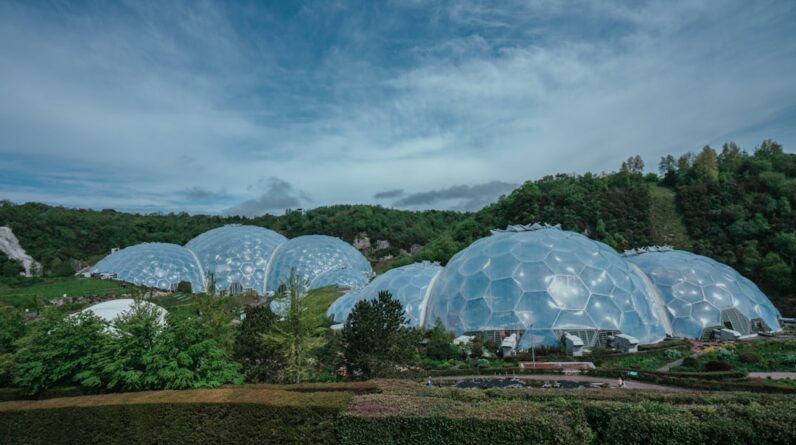
Several notable projects around the world exemplify successful biophilic design principles. One such example is the Eden Project in Cornwall, England, which features massive geodesic domes housing diverse ecosystems from around the globe. The project not only showcases the beauty of nature but also serves as an educational hub for sustainability and environmental awareness.
Visitors are immersed in lush vegetation and vibrant plant life, fostering a deep appreciation for biodiversity. Another remarkable instance is the Bosco Verticale (Vertical Forest) in Milan, Italy. This residential complex consists of two towers adorned with thousands of trees and plants on its balconies.
The design not only enhances the aesthetic appeal of the buildings but also contributes to improved air quality and biodiversity within the urban landscape. Residents benefit from stunning views while enjoying the calming presence of greenery right outside their windows.
The Role of Biophilic Design in Sustainable Architecture

Biophilic design plays a crucial role in sustainable architecture by promoting environmentally responsible practices while enhancing human well-being. By integrating natural elements into building designs, architects can create structures that minimize their ecological footprint while maximizing occupant comfort. For instance, passive solar design techniques can harness sunlight for heating and lighting, reducing reliance on artificial energy sources.
Furthermore, biophilic design encourages the use of sustainable materials sourced from renewable resources. By prioritizing materials such as reclaimed wood or recycled metals, architects can reduce waste and promote a circular economy within the construction industry. This approach aligns with broader sustainability goals while fostering a deeper connection between occupants and their environment.
Biophilic Design in the Workplace
The workplace is an ideal setting for implementing biophilic design principles due to its significant impact on employee well-being and productivity. Companies are increasingly recognizing that creating a healthy work environment can lead to improved employee satisfaction and retention rates. Incorporating elements such as natural light, greenery, and open spaces can transform traditional office layouts into vibrant ecosystems that promote collaboration and creativity.
For example, tech giant Google has embraced biophilic design in its offices worldwide by incorporating indoor gardens, natural materials, and ample daylighting. These features not only enhance employee morale but also foster innovation by providing spaces conducive to brainstorming and collaboration. Research has shown that employees in biophilic workplaces report higher levels of job satisfaction and are more likely to stay with their employers long-term.
Tips for Implementing Biophilic Design in Your Home
Implementing biophilic design in your home can be both rewarding and achievable with thoughtful planning. Start by maximizing natural light through strategic window placement or by using light-colored curtains that allow sunlight to filter through while maintaining privacy. Consider incorporating mirrors to reflect light deeper into your space, creating an illusion of openness.
Adding plants is another effective way to bring nature indoors. Choose low-maintenance varieties such as snake plants or pothos if you’re new to gardening or have limited time for upkeep. You can also create a small indoor garden or herb garden in your kitchen to enjoy fresh herbs while enhancing your cooking experience.
Incorporating natural materials into your home’s decor can further enhance the biophilic atmosphere. Opt for wooden furniture or stone accents that evoke a sense of warmth and connection to nature. Additionally, consider using earthy color palettes inspired by natural landscapes—greens, browns, and soft blues—to create a calming environment.
Lastly, creating views of nature from your home can significantly enhance your connection to the outdoors. If you have access to outdoor spaces like balconies or patios, furnish them with comfortable seating surrounded by plants or flowers. If outdoor space is limited, consider placing bird feeders or window boxes filled with flowers outside your windows to attract wildlife and bring life closer to your living space.
By thoughtfully integrating these elements into your home design, you can cultivate an environment that nurtures well-being while celebrating the beauty of nature.
FAQs
What is biophilic design?
Biophilic design is an approach to architecture and interior design that seeks to connect people with nature by incorporating natural elements, materials, and views into the built environment.
What are the benefits of biophilic design?
Biophilic design has been shown to have numerous benefits, including improved mental well-being, reduced stress, increased productivity, and enhanced creativity. It can also contribute to better air quality and overall physical health.
How can biophilic design be incorporated into a space?
Biophilic design can be incorporated into a space through the use of natural materials such as wood and stone, the inclusion of plants and greenery, the maximization of natural light, and the incorporation of views of nature.
Are there specific principles of biophilic design?
Yes, there are several principles of biophilic design, including incorporating natural shapes and forms, utilizing natural patterns and textures, creating a connection to the natural world, and providing a sense of refuge and retreat.
Is biophilic design only for interior spaces?
No, biophilic design can be applied to both interior and exterior spaces. It can be used in residential, commercial, and public spaces, as well as in urban planning and architecture.