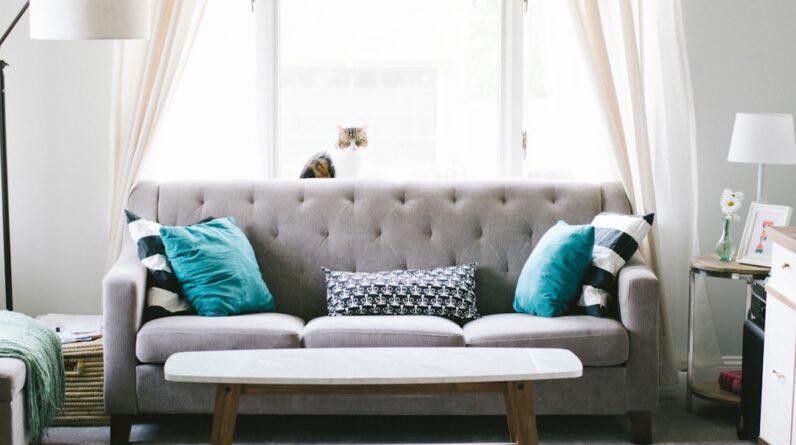
When it comes to selecting furniture for your home, style and design play a pivotal role in creating the atmosphere you desire. You want pieces that not only reflect your personal taste but also harmonize with the overall aesthetic of your space. Whether you lean towards modern minimalism, rustic charm, or classic elegance, the right furniture can serve as a focal point or a subtle complement to your decor.
As you explore various styles, consider how each piece will contribute to the narrative of your home. A sleek, contemporary sofa can bring a fresh vibe to a room, while a vintage armchair might evoke nostalgia and warmth. Moreover, the design elements of furniture extend beyond mere appearance.
Think about the lines, shapes, and proportions that resonate with you. Curved edges can soften a space, while angular designs may impart a more structured feel. As you browse through options, pay attention to how the design interacts with light and space.
A well-designed piece can enhance the flow of a room, making it feel more inviting and cohesive. Ultimately, your choices should reflect not just current trends but also your unique personality and lifestyle.
Key Takeaways
- Style and Design:
- The furniture features a modern and sleek design with clean lines and minimalistic details.
- It offers a versatile and timeless style that can easily complement various interior design themes.
- Comfort and Functionality:
- The furniture provides ample comfort with ergonomic design and supportive cushioning.
- It offers practical functionality with features such as storage compartments and adjustable elements.
- Quality and Durability:
- The furniture is constructed with high-quality materials and sturdy craftsmanship for long-lasting durability.
- It undergoes rigorous quality control to ensure it can withstand daily use and maintain its integrity over time.
- Size and Proportion:
- The furniture is available in a range of sizes to accommodate different living spaces and layout preferences.
- It offers well-proportioned dimensions that strike a balance between functionality and visual appeal.
- Materials and Construction:
- The furniture is crafted from premium materials such as solid wood, metal, and durable upholstery fabrics.
- It showcases meticulous construction techniques and attention to detail for a refined and polished finish.
- Color and Finish:
- The furniture is available in a variety of color options to suit diverse color palettes and personal preferences.
- It features a high-quality finish that adds a touch of sophistication and elegance to any room.
- Price and Budget:
- The furniture offers excellent value for its quality and design, making it a worthwhile investment for the long term.
- It provides competitive pricing options to cater to different budget constraints and affordability.
- Compatibility with Existing Decor:
- The furniture seamlessly integrates with existing decor styles, offering a cohesive and harmonious look.
- It allows for easy coordination with other furniture pieces and decorative elements for a unified aesthetic.
Comfort and Functionality
While style is essential, comfort and functionality are equally crucial when choosing furniture. You want pieces that not only look good but also serve their purpose effectively. Imagine sinking into a plush sofa after a long day or having a dining table that accommodates family gatherings effortlessly.
As you evaluate options, consider how each piece will fit into your daily life. For instance, if you enjoy hosting friends for dinner, a spacious table with comfortable chairs will be invaluable. Functionality also extends to the versatility of furniture.
Multi-functional pieces, such as a coffee table that doubles as storage or a sofa bed for guests, can maximize your space and enhance your living experience. As you assess comfort, don’t forget to test out the furniture in person if possible. Sit on chairs, lie on sofas, and envision how each piece will work within your routine.
Prioritizing comfort ensures that your home remains a sanctuary where you can relax and unwind.
Quality and Durability

Investing in quality furniture is essential for ensuring longevity and satisfaction in your home. You want pieces that can withstand the test of time, both in terms of style and physical durability. As you shop around, look for well-constructed items made from solid materials rather than flimsy alternatives.
High-quality furniture often features sturdy frames, durable upholstery, and reliable hardware that can endure daily use without showing signs of wear too quickly. Durability is particularly important if you have children or pets in your home. You’ll want to choose materials that are easy to clean and resistant to stains or scratches.
Researching brands known for their craftsmanship can help you make informed decisions. Remember that investing in quality furniture may require a higher upfront cost, but it often pays off in the long run as you won’t need to replace items frequently. By prioritizing quality and durability, you create a foundation for a home that remains beautiful and functional for years to come.
Size and Proportion
Understanding size and proportion is vital when selecting furniture for your space. You want to ensure that each piece fits comfortably within the dimensions of your room without overwhelming or underwhelming the overall design. Before making any purchases, take accurate measurements of your space and consider how each item will interact with existing elements like windows, doors, and other furniture pieces.
Proportion is equally important; it’s about finding balance within your space. A large sectional sofa may dominate a small living room, while tiny accent chairs might get lost in a vast open area. Visualize how each piece will contribute to the overall layout and flow of the room.
Additionally, consider the height of furniture in relation to other elements—like tables and shelves—to create a harmonious environment. By paying attention to size and proportion, you can curate a space that feels both inviting and well-organized.
Materials and Construction
The materials used in furniture construction significantly impact both aesthetics and functionality. When selecting pieces for your home, consider the various options available—wood, metal, fabric, leather, and more—and how they align with your lifestyle and preferences. Each material has its unique characteristics; for instance, wood offers warmth and timelessness, while metal can provide an industrial edge.
Construction quality is equally important as it determines how well the furniture will hold up over time. Look for details like joinery techniques—dovetail joints are often a sign of quality craftsmanship—along with sturdy hardware that ensures stability. If you’re considering upholstered items, examine the fabric’s durability and ease of cleaning.
Understanding the materials and construction methods used in your furniture choices will help you make informed decisions that enhance both the beauty and functionality of your home.
Color and Finish

Color and finish are powerful tools in interior design that can dramatically alter the mood of a space. When selecting furniture, think about how colors will interact with one another and with existing decor elements in your home. Neutral tones like beige or gray can create a calming backdrop, while bold colors like deep blue or vibrant red can serve as eye-catching focal points.
The finish of furniture also plays a crucial role in its overall appearance. A glossy finish can lend a modern touch, while a matte finish may evoke a more rustic or vintage feel. Consider how different finishes will reflect light within your space; glossy surfaces can brighten up a room by bouncing light around, while matte finishes may absorb it for a cozier atmosphere.
As you explore color options, don’t hesitate to bring home swatches or samples to see how they look in different lighting conditions throughout the day.
Price and Budget
Establishing a budget is an essential step in the furniture selection process. It helps you narrow down options while ensuring that you make financially responsible choices. As you set your budget, consider not only the cost of individual pieces but also any additional expenses such as delivery fees or assembly costs.
It’s wise to allocate funds for quality items that will last longer rather than opting for cheaper alternatives that may need replacing sooner. While it’s tempting to go for the lowest price tag, remember that investing in quality often pays off in terms of durability and satisfaction. Look for sales or discounts from reputable retailers to find great deals without compromising on quality.
Additionally, consider exploring second-hand options or vintage shops where you might discover unique pieces at lower prices. By being mindful of your budget while prioritizing quality, you can create a beautiful home without breaking the bank.
Compatibility with Existing Decor
Finally, consider how new furniture will fit into your existing decor scheme. Each piece should complement the overall style of your home rather than clash with it. Take stock of your current color palette, textures, and design elements before making any purchases.
If your home features a modern aesthetic with clean lines and minimal decor, introducing ornate or overly traditional pieces may disrupt the harmony you’ve created. Additionally, think about how new items will interact with one another within the space. A cohesive look often involves balancing different styles while maintaining an overall sense of unity.
For example, if you have contemporary art on the walls, pairing it with sleek modern furniture can enhance its impact. By carefully considering compatibility with existing decor, you can curate an inviting environment that feels thoughtfully designed and cohesive throughout. In conclusion, selecting furniture for your home involves careful consideration of various factors including style and design, comfort and functionality, quality and durability, size and proportion, materials and construction, color and finish, price and budget, as well as compatibility with existing decor.
By taking the time to evaluate each aspect thoughtfully, you can create a living space that not only reflects your personal taste but also enhances your lifestyle for years to come.
FAQs
What are the key factors to consider when selecting contemporary furniture?
When selecting contemporary furniture, it is important to consider factors such as style, comfort, quality, functionality, and budget.
How can I ensure that contemporary furniture is stylish?
To ensure that contemporary furniture is stylish, look for clean lines, minimalistic designs, and modern finishes. Pay attention to the overall aesthetic and how it fits with your existing decor.
What should I look for to ensure that contemporary furniture is comfortable?
To ensure that contemporary furniture is comfortable, consider factors such as cushioning, support, and ergonomic design. Test out the furniture in person if possible to gauge its comfort level.
How can I ensure that contemporary furniture is of good quality?
To ensure that contemporary furniture is of good quality, look for durable materials, solid construction, and reputable brands or manufacturers. Read reviews and ask about warranties or guarantees.
What are some functional considerations when selecting contemporary furniture?
Functional considerations when selecting contemporary furniture include size, storage options, versatility, and how well it meets your specific needs and lifestyle.
How can I find contemporary furniture that fits within my budget?
To find contemporary furniture that fits within your budget, consider shopping during sales or promotions, looking for clearance items, comparing prices from different retailers, and considering second-hand or vintage options.