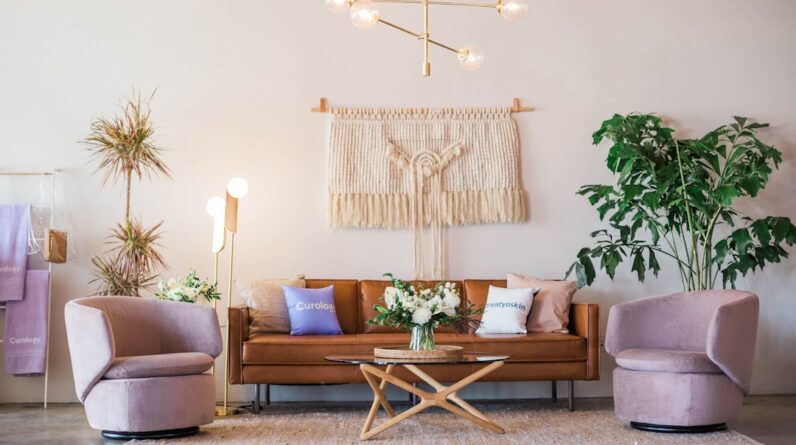
Open concept living has gained immense popularity in modern home design, characterized by the elimination of walls that traditionally separate distinct areas such as the kitchen, dining room, and living room. This design philosophy promotes a sense of spaciousness and fluidity, allowing for a more communal atmosphere where family members and guests can interact freely. The origins of open concept living can be traced back to the mid-20th century, when architects and designers began to favor layouts that encouraged social interaction and a more casual lifestyle.
The shift away from compartmentalized spaces reflects broader cultural changes, emphasizing connectivity and togetherness in domestic environments. The appeal of open concept living extends beyond aesthetics; it also offers practical benefits. For instance, the absence of walls can enhance natural light flow throughout the home, creating a brighter and more inviting atmosphere.
Additionally, open layouts can make smaller homes feel larger, as the visual continuity between spaces can trick the eye into perceiving a more expansive area. However, this design approach is not without its challenges. Homeowners must consider how to effectively delineate spaces for different functions while maintaining an overall cohesive look.
Understanding these dynamics is crucial for anyone looking to embrace the open concept lifestyle.
Key Takeaways
- Open concept living involves removing walls and barriers to create a seamless flow between living spaces.
- When designing an open concept floor plan, consider the function of each area and how they will interact with one another.
- Creating flow between living spaces can be achieved through the use of consistent flooring, sight lines, and strategic furniture placement.
- Choose furniture that is proportional to the space and allows for easy movement between areas in an open concept layout.
- Utilize color and texture to define different areas within an open concept living space, creating visual separation without the need for walls.
Designing an Open Concept Floor Plan
When embarking on the journey of designing an open concept floor plan, several key considerations come into play. First and foremost is the layout itself. A well-thought-out floor plan should prioritize functionality while also catering to the lifestyle of its inhabitants.
For example, if a family enjoys cooking and entertaining, placing the kitchen at the heart of the home with easy access to both the dining and living areas can facilitate seamless interactions during gatherings. Conversely, if quietude is a priority, positioning quieter spaces like a reading nook or home office slightly away from the main activity zones can help maintain a balance between social and private areas. Another critical aspect of designing an open concept space is ensuring that each area serves its intended purpose without feeling disjointed.
This can be achieved through strategic zoning techniques, such as using area rugs to define different sections or incorporating furniture arrangements that naturally guide movement through the space. For instance, a large sectional sofa can create a cozy living area while simultaneously delineating it from the dining space. Additionally, incorporating built-in features like shelving or half-walls can provide visual breaks without sacrificing the openness that defines this style.
Creating Flow Between Living Spaces

Creating flow between living spaces in an open concept home is essential for fostering a harmonious environment. Flow refers to how easily one can move from one area to another, and it plays a significant role in how people experience the space. To achieve this, designers often focus on maintaining consistent sightlines and pathways that encourage movement.
For example, aligning furniture pieces in a way that directs attention toward focal points—such as a fireplace or a large window—can create a natural progression from one area to another. In addition to physical flow, visual flow is equally important in open concept design. This can be accomplished through the use of complementary colors, materials, and textures that tie different areas together.
For instance, if the kitchen features sleek stainless steel appliances and white cabinetry, echoing those materials in the dining area with metal light fixtures or similar cabinetry can create a cohesive look. Furthermore, incorporating elements like artwork or decorative accents that span multiple areas can enhance the sense of unity throughout the space.
Choosing the Right Furniture for Open Concept Living
Selecting furniture for an open concept living space requires careful consideration to ensure that each piece contributes to both functionality and aesthetics. One of the primary challenges is finding items that are versatile enough to serve multiple purposes while still being visually appealing. For example, a coffee table with built-in storage can provide a practical solution for keeping clutter at bay while also serving as a stylish centerpiece in the living area.
Similarly, dining tables that can expand or contract based on the number of guests can adapt to various occasions without overwhelming the space. Scale is another critical factor when choosing furniture for an open concept layout. Oversized pieces can dominate a room and make it feel cramped, while too-small items may get lost in the vastness of the space.
Striking the right balance is essential; for instance, opting for a medium-sized sectional sofa paired with accent chairs can create an inviting seating arrangement without overwhelming the area. Additionally, selecting furniture with legs rather than solid bases can enhance visual lightness, allowing for better flow and sightlines throughout the home.
Utilizing Color and Texture to Define Spaces
Color and texture play pivotal roles in defining spaces within an open concept layout. While an open floor plan encourages fluidity, it is essential to establish distinct areas that serve different functions. One effective way to achieve this is through color zoning—using different paint colors or wallpaper patterns to delineate spaces without erecting physical barriers.
For example, painting the kitchen in warm earth tones while opting for cooler shades in the living area can create a subtle yet effective separation between these two zones. Texture also contributes significantly to spatial definition in open concept designs. Incorporating various materials—such as wood, metal, fabric, and glass—can add depth and interest to each area while maintaining an overall cohesive look.
For instance, pairing a plush velvet sofa with a sleek glass coffee table creates a dynamic contrast that draws attention without feeling disjointed. Additionally, layering textures through textiles like throw pillows, rugs, and curtains can further enhance the sense of comfort and warmth within each defined space.
Incorporating Natural Light and Views

Natural light is one of the most sought-after features in any home, but it holds particular significance in open concept living spaces where it can dramatically enhance the overall ambiance. Large windows and open sightlines allow sunlight to flood into multiple areas simultaneously, creating an airy and uplifting environment. When designing an open concept layout, it’s crucial to maximize natural light by strategically placing windows or glass doors that connect indoor spaces with outdoor views.
For instance, installing sliding glass doors that lead to a patio not only invites light but also creates a seamless transition between indoor and outdoor living. In addition to enhancing aesthetics, natural light has practical benefits as well. It can reduce reliance on artificial lighting during daytime hours, leading to energy savings and a more sustainable home environment.
Moreover, exposure to natural light has been linked to improved mood and well-being; thus, ensuring ample daylight in an open concept design can contribute positively to the inhabitants’ quality of life. Incorporating skylights or clerestory windows can further amplify this effect by allowing light to penetrate deeper into the space.
Managing Acoustics in Open Concept Living
While open concept living offers numerous advantages, one challenge that often arises is managing acoustics within these expansive spaces. The absence of walls means sound travels more freely between areas, which can lead to noise disturbances during daily activities such as cooking or entertaining. To mitigate this issue, homeowners can employ various strategies aimed at sound absorption and control.
For instance, incorporating soft furnishings like upholstered sofas, thick curtains, and plush rugs can help dampen sound waves and reduce echo within the space. Additionally, strategic placement of acoustic panels or sound-absorbing materials can significantly improve sound quality in an open concept layout. These panels can be integrated into wall designs or ceilings without compromising aesthetics while effectively minimizing noise levels.
Furthermore, creating designated quiet zones—such as reading nooks or home offices—can provide respite from the hustle and bustle of communal areas while still maintaining an overall sense of openness.
Maintaining Privacy in an Open Concept Home
Privacy is often a concern in open concept homes due to their inherently communal nature; however, there are several innovative ways to maintain personal space without sacrificing openness. One effective method is utilizing furniture arrangements that create visual barriers while still allowing for interaction between areas. For example, strategically placing bookshelves or decorative screens can provide separation between living spaces without completely closing them off.
Another approach involves incorporating flexible design elements such as sliding doors or curtains that can be opened or closed as needed. These features allow homeowners to adapt their space according to their current needs—whether hosting guests or seeking solitude—while preserving the overall aesthetic of openness. Additionally, thoughtful landscaping around windows or outdoor areas can enhance privacy by creating natural barriers that shield views from neighboring properties without obstructing light or airflow.
In conclusion, embracing open concept living requires careful consideration of various design elements that contribute to functionality and aesthetics while addressing potential challenges such as acoustics and privacy concerns. By understanding these dynamics and implementing thoughtful strategies throughout the design process, homeowners can create inviting spaces that foster connection while still accommodating individual needs.
FAQs
What is open concept living?
Open concept living refers to a home design that eliminates barriers such as walls and doors between the main living areas, creating a seamless flow between the kitchen, dining, and living spaces.
What are the benefits of open concept living?
Open concept living can make a space feel larger and more airy, promote better communication and interaction among family members and guests, and allow for more natural light to flow throughout the home.
How can I create flow in my open concept living space?
To create flow in an open concept living space, consider using cohesive color schemes, consistent flooring, and strategic furniture placement to define different areas while maintaining a sense of continuity.
What are some design tips for open concept living?
Some design tips for open concept living include using area rugs to define specific zones, incorporating multifunctional furniture, and utilizing lighting to delineate different areas within the space.
Are there any drawbacks to open concept living?
Some potential drawbacks of open concept living include limited privacy, difficulty in controlling noise levels, and challenges in maintaining a cohesive design aesthetic throughout the entire space.