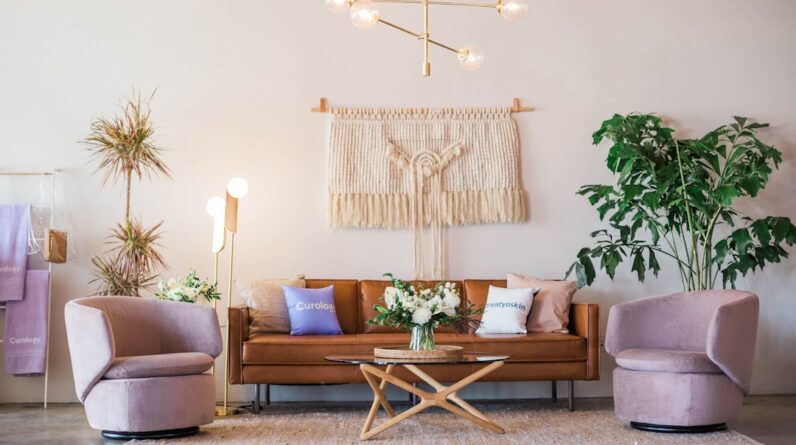
Open shelving has gained immense popularity in modern interior design, and for good reason. One of the primary benefits of open shelving is its ability to create an illusion of space. In smaller rooms, traditional cabinets can feel bulky and constricting, whereas open shelves allow light to flow freely, making the area appear larger and more inviting.
This is particularly advantageous in kitchens and living rooms where maximizing space is essential. By removing the visual barriers that closed cabinets present, open shelving can enhance the overall aesthetic of a room, contributing to a more airy and open atmosphere. Another significant advantage of open shelving is its functionality.
It encourages easy access to frequently used items, making it a practical choice for kitchens, bathrooms, and even home offices. When everything is visible and within reach, it streamlines daily tasks, whether it’s grabbing a coffee mug in the morning or reaching for a favorite book in the evening. Additionally, open shelving can serve as a dynamic display area for personal items, allowing homeowners to showcase their unique tastes and interests.
This blend of practicality and personalization makes open shelving an appealing option for many.
Key Takeaways
- Open shelving creates a sense of openness and spaciousness in a room, making it feel larger and more inviting.
- When styling open shelving, use a mix of functional and decorative items to create visual interest and balance.
- Choose items to display on open shelving that reflect your personal style and add character to the room.
- Open shelving can be incorporated in various rooms such as the kitchen, living room, bathroom, and even the bedroom for added storage and display space.
- To maintain open shelving, regularly declutter and organize items, and consider using baskets or bins for a more streamlined look.
How to Style Open Shelving in Your Home
Styling open shelving requires a thoughtful approach to ensure that it enhances the overall decor of your home rather than detracting from it. One effective method is to create a balanced arrangement by mixing different types of items. For instance, combining books with decorative objects, plants, and personal mementos can add depth and interest to the shelves.
When styling, consider the height and scale of each item; placing taller items at the back and shorter ones in front can create a visually pleasing tiered effect. This layering not only draws the eye but also prevents the shelves from appearing cluttered. Color coordination plays a crucial role in styling open shelves as well.
A cohesive color palette can unify disparate items and create a harmonious look. For example, if your home features a neutral color scheme, consider displaying white ceramics alongside wooden accents to maintain a clean aesthetic. Alternatively, if you prefer a bolder approach, you might choose vibrant books or colorful decorative pieces that pop against a more subdued background.
Incorporating textures—such as woven baskets or glass containers—can also add visual interest and warmth to the display.
Choosing the Right Items to Display

Selecting the right items for open shelving is essential for achieving both functionality and aesthetic appeal. Start by considering the purpose of the shelves; for instance, if they are in a kitchen, prioritize displaying items that you use regularly, such as dishes, cookbooks, or spices. However, it’s important to strike a balance between practicality and decoration.
Incorporating decorative elements like artful bowls or unique serving platters can elevate the overall look while still keeping essential items accessible. When choosing items to display, think about variety in shape, size, and texture. A mix of large and small objects can create visual interest and prevent the shelves from feeling monotonous.
For example, pairing a large potted plant with smaller framed photos or decorative boxes can create an engaging composition. Additionally, consider seasonal changes; rotating items based on the time of year can keep your display fresh and relevant. For instance, during the fall, you might incorporate small pumpkins or autumn-themed decor, while in spring, fresh flowers or pastel-colored items could take center stage.
Incorporating Open Shelving in Different Rooms
Open shelving can be effectively integrated into various rooms throughout the home, each serving distinct purposes and enhancing functionality. In kitchens, open shelves are particularly popular for displaying dishware and cookbooks. They not only provide easy access to everyday items but also allow for creative styling opportunities with colorful dishes or artisanal kitchenware.
By placing frequently used items at eye level and decorative pieces higher up, homeowners can maintain both practicality and aesthetics. In living rooms, open shelving can serve as a focal point or an extension of existing furniture. Floating shelves can be mounted above a sofa or console table to display books, art pieces, or family photos.
This not only adds character to the space but also allows for personalization that reflects the homeowner’s style. In bathrooms, open shelving can be used to store towels, toiletries, and decorative accents like candles or plants. This approach not only maximizes storage but also transforms functional spaces into stylish retreats.
Organizing and Maintaining Open Shelving
Maintaining an organized open shelving system requires regular attention to prevent clutter from accumulating. One effective strategy is to establish a routine for decluttering; setting aside time every few months to reassess what is displayed can help keep shelves looking fresh and tidy. During this process, consider whether each item serves a purpose or contributes to the overall aesthetic.
If something no longer fits your style or needs, it may be time to donate or relocate it. Another key aspect of maintaining open shelving is ensuring that items are arranged in a way that promotes easy access while still looking visually appealing. Grouping similar items together—such as all cookbooks on one shelf or all decorative objects on another—can create a sense of order.
Additionally, using containers like baskets or bins can help corral smaller items and prevent them from appearing scattered. Regular dusting and cleaning are also essential; since open shelves are more exposed than closed cabinets, they can accumulate dust more quickly.
DIY Open Shelving Ideas

For those looking to incorporate open shelving without breaking the bank, DIY options abound that allow for creativity and customization. One popular approach is to repurpose old wooden crates or pallets into rustic shelves. By sanding down rough edges and applying a coat of paint or stain, these materials can be transformed into charming display units that add character to any room.
Mounting them on walls creates an eye-catching focal point while providing functional storage. Another DIY idea involves using metal brackets paired with wooden planks to create sleek floating shelves. This minimalist design works well in contemporary spaces and allows for easy customization in terms of size and finish.
Homeowners can choose wood types that complement their existing decor or even paint the brackets in bold colors for added flair. Additionally, incorporating LED strip lights beneath floating shelves can enhance visibility while adding an ambient glow that highlights displayed items.
Showcasing Your Personal Style Through Display
Open shelving offers an excellent opportunity to showcase personal style and interests in a way that traditional cabinetry cannot. By curating a collection of items that reflect your personality—be it travel souvenirs, art pieces, or family heirlooms—you create a narrative that tells your story through your decor. This personal touch not only makes your space feel more inviting but also sparks conversation among guests who may be intrigued by your curated selections.
Incorporating elements that resonate with your lifestyle can further enhance this personal expression. For instance, if you are an avid reader, displaying your favorite books alongside unique bookmarks or literary-themed decor can create an inspiring vignette that reflects your passion for literature. Similarly, if you enjoy cooking or baking, showcasing colorful spices or vintage kitchen tools can highlight your culinary interests while adding vibrancy to your kitchen space.
Tips for Creating a Cohesive Look on Open Shelving
Achieving a cohesive look on open shelving involves careful consideration of color schemes, materials, and overall design themes throughout your home. One effective strategy is to establish a unifying color palette that ties together various elements displayed on the shelves. For example, if your home features earthy tones like greens and browns, incorporating similar hues into your shelf decor—such as ceramic pots or wooden accents—can create visual harmony.
In addition to color coordination, consider the materials used in your displayed items. Mixing textures—such as glass with metal or wood with fabric—can add depth while still maintaining cohesion when done thoughtfully. It’s also beneficial to maintain consistency in style; if your home leans towards modern minimalism, opt for sleek lines and simple shapes in your shelf decor rather than eclectic or ornate pieces that may clash with the overall aesthetic.
By thoughtfully curating what you display on open shelves and considering how each item interacts with others within the space, you can create an inviting environment that reflects both functionality and personal style.
FAQs
What is open shelving and display?
Open shelving and display refers to the use of open shelves or display units to showcase items such as dishes, glassware, books, or decorative objects in a home. This design choice allows for easy access to items and creates a visually appealing display.
What are the benefits of open shelving and display?
Open shelving and display can create a sense of openness and airiness in a space, as well as provide easy access to frequently used items. It also allows for the display of personal style and decorative items, adding visual interest to a room.
What are some tips for showcasing personal style through open shelving and display?
To showcase personal style through open shelving and display, consider incorporating a mix of functional and decorative items, such as cookbooks, plants, artwork, and unique kitchenware. Additionally, using a cohesive color scheme or theme can help create a visually appealing display.
How can open shelving and display be incorporated into different rooms in the home?
Open shelving and display can be incorporated into various rooms in the home, such as the kitchen, living room, dining room, or home office. In the kitchen, open shelving can be used to display dishes and glassware, while in the living room, open shelves can showcase books, artwork, and decorative objects.
What are some considerations to keep in mind when using open shelving and display?
When using open shelving and display, it’s important to consider the organization and arrangement of items to create a visually appealing display. Additionally, keeping items clean and dust-free is important, as they are on open display.